Nilotic Religious Cosmology
A comprehensive profile of the sacred systems spanning the Predynastic through Greco-Roman eras. Rooted in the cyclical inundation of the Nile, Egyptian religion unified divine pharaonic rule, solar theology, cosmic equilibrium (Ma'at), and elaborate mortuary landscapes.
Nile River Valley, Northeast Africa (Upper & Lower Egypt)
c. 3100 – 30 BCE (Predynastic through Greco-Roman eras)
Narmer, Djoser, Mentuhotep II, Thutmose III, Akhenaten, Tutankhamun, Seti I
Pyramid Texts, Coffin Texts, Book of the Dead, Netherworld Books, Rosetta Inscription
Monumental in situ complexes (Egypt) and global museum collections; historical state cult ceased in late antiquity
The Pharaoh served as the living incarnation of Horus on Earth and Osiris in death, acting as the cosmic intermediary between deities and human society.
Narmer Palette, Palermo Stone, Abydos King List inscriptions.
Ref: Egyptian Museum Cairo JE 32169; Palermo Regional Archaeological Museum Inv. 199.
The diurnal passage of Ra across the celestial waters (Mesektet & Mandjet barques) represented the nightly victory over Apep and the daily regeneration of creation.
Book of the Dead (Spells 15 & 17), Amduat in KV tombs, and solar hymns.
Ref: Tomb of Thutmose III (KV34); Papyrus of Ani (British Museum EA10470).
The governing principle of the cosmos. The weighing of the heart (Psychostasia) against the feather of Ma'at determined entrance to the Field of Reeds (Aaru).
Papyrus of Ani, Tomb of Rekhmire (TT100) vizierial texts, and Coffin Spells.
Ref: Theban Tomb TT100; British Museum EA10470, sheet 3.
Temples functioned as microcosm engines of the primordial mound (Benben). Pylon gateways represented horizon peaks (Akhet) welcoming the divine light.
Karnak Hypostyle Hall, Luxor Temple, Temple of Horus at Edfu records.
Ref: In situ epigraphy at Karnak Temple Complex & Edfu Sanctuary.
"The Ancient Egyptian Pyramid Texts"
Society of Biblical Literature / Writings from the Ancient World (Vol. 23). Atlanta: SBL Press.
"The Search for God in Ancient Egypt"
Translated by David Lorton. Ithaca: Cornell University Press.
"The Ancient Egyptian Coffin Texts (3 Volumes)"
Warminster: Aris & Phillips.
"Conceptions of God in Ancient Egypt: The One and the Many"
Translated by John Baines. Ithaca: Cornell University Press.
"Handbook of Egyptian Mythology"
Santa Barbara: ABC-CLIO World Mythology Series.
"The Complete Temples of Ancient Egypt"
London & New York: Thames & Hudson.
Explore the Origins of Ancient Traditions
Examine how the Nilotic theological system interacted with contemporaneous traditions across the Levant, Mesopotamia, and the Greco-Roman Mediterranean.
The Ancient Egyptian Theological System
An empirical investigation into ancient Egyptian eschatology, canonical funerary papyri, pantheon hierarchy, the monotheistic Amarna reformation, and the post-mortem weighing of the heart.
Evolution of Funerary Canon
Compare how access to immortality transitioned from royal privilege to a universal moral trial across two millennia.
Texts are cataloged strictly by epigraphic provenance and physical papyrological survival, separating translation consensus from theological claims.
Historical & Theological Analysis
Scholarly InterpretationThe earliest surviving corpus of religious literature in the ancient world. Composed exclusively for the Pharaoh's resurrection and ascent to the circumpolar stars (the Imperishable Stars) and union with Ra and Osiris.
Doctrinal Shift & Theological Significance
Scholarly InterpretationExclusively royal afterlife access; the pharaoh directly claims divinity and ascends through solar/stellar spells.
Representative Primary Passage
Religious Tradition"Utterance 213: 'O King, you have not departed dead, you have departed alive. Sit upon the throne of Osiris, your sceptre in your hand…'"
Academic Bibliography & Historiographical References
Peer-reviewed Egyptological translations, archaeological field reports, and critical editions referenced throughout this section.
Epigraphic references: James P. Allen (Middle Egyptian), Jan Assmann (The Search for God in Ancient Egypt), Raymond Faulkner (Ancient Egyptian Book of the Dead).
Dynasty Timeline & Monumental Citations
Trace the evolution of ancient religious thought through verified epigraphic discoveries, excavation logs, and architectural records from Egypt's four pivotal sacred hubs.
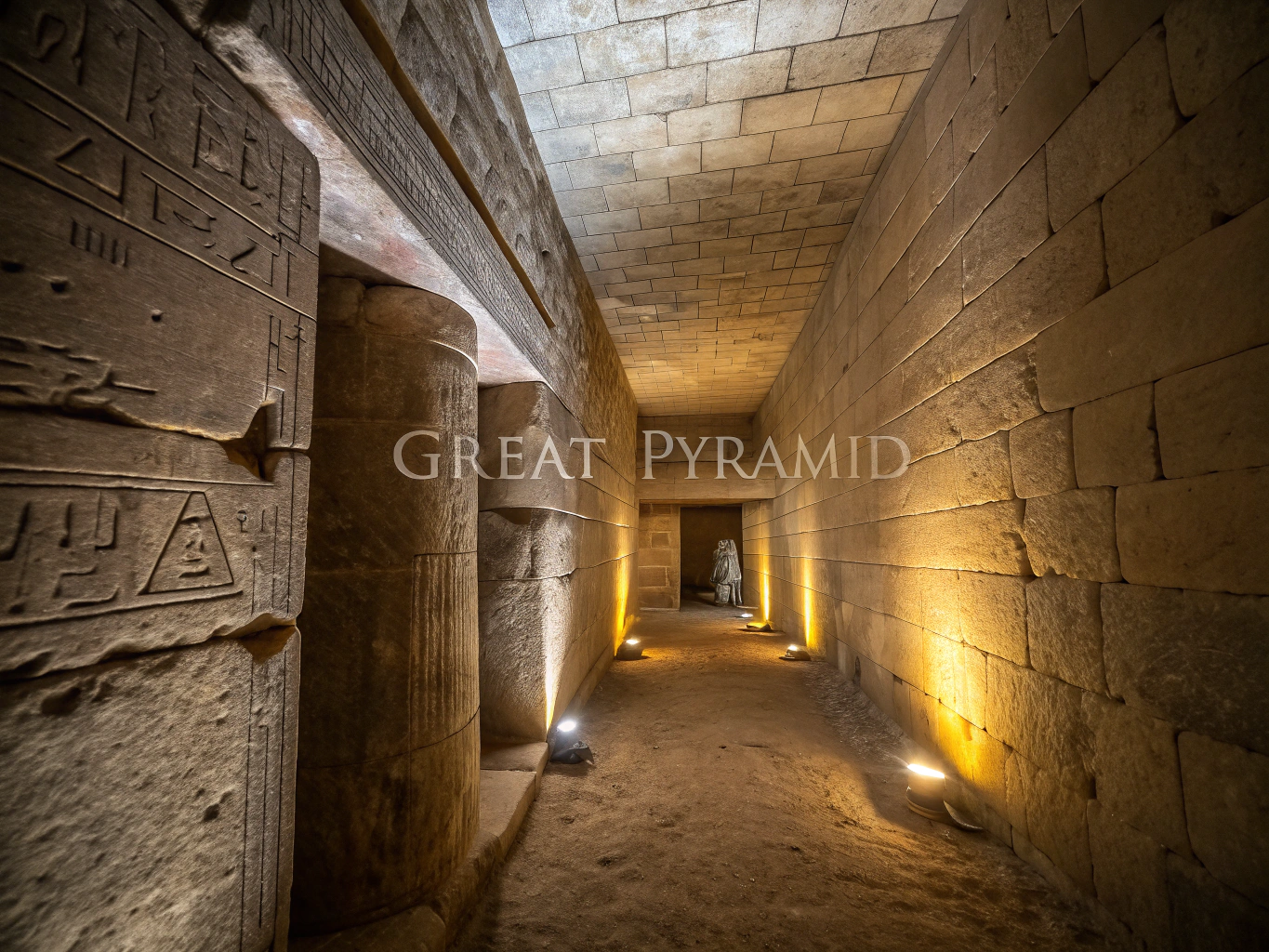
Archaeological Inscription & Structural Alignment
Solidified the theological framework where the monarch serves as the supreme ritual intermediary between cosmic order (Ma'at) and the Egyptian state.
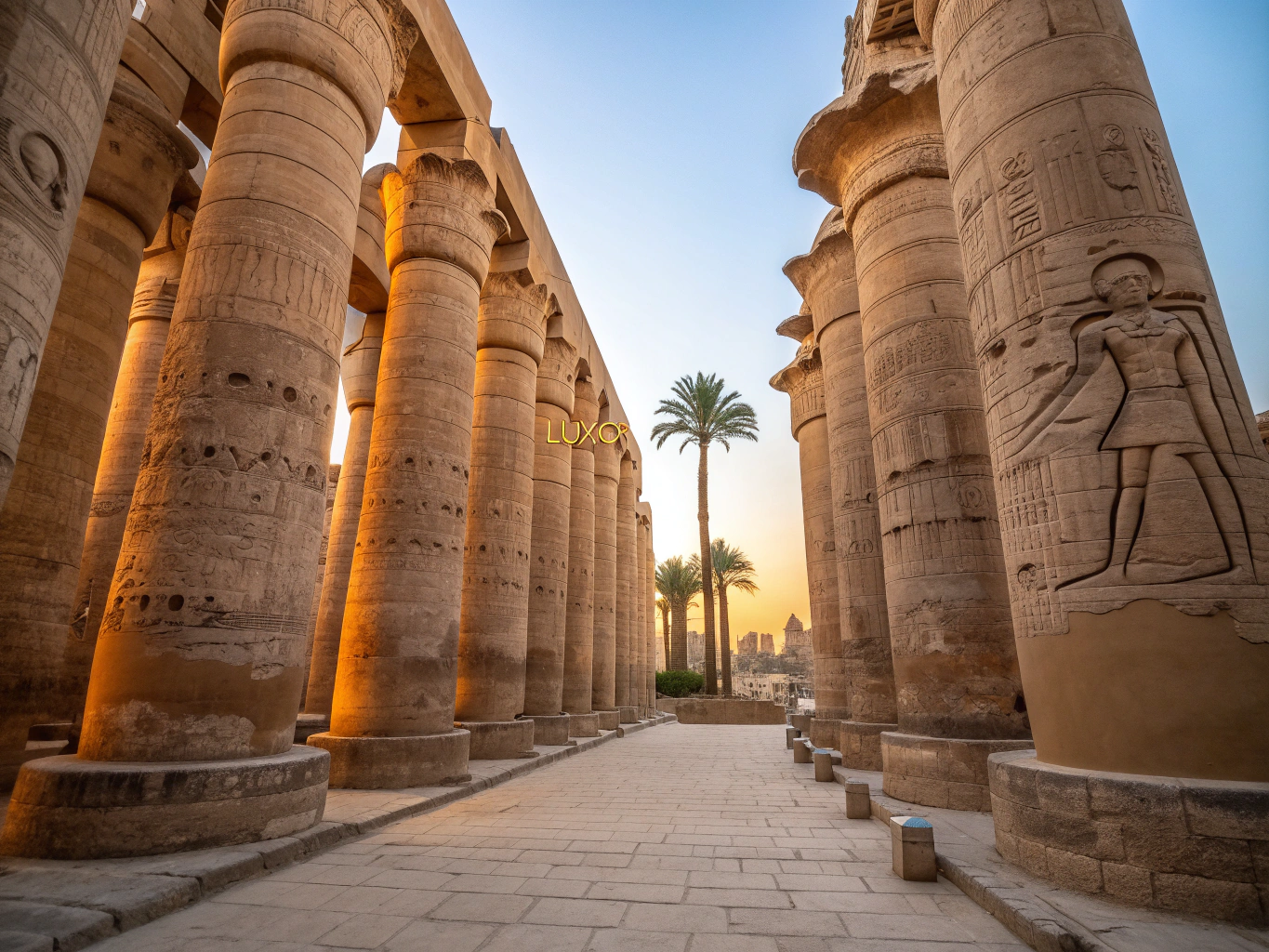
Epigraphic & Architectural Reconstruction
Provides the earliest comprehensive geographico-religious catalogue of ancient Egyptian administrative districts (nomes) and associated deities.
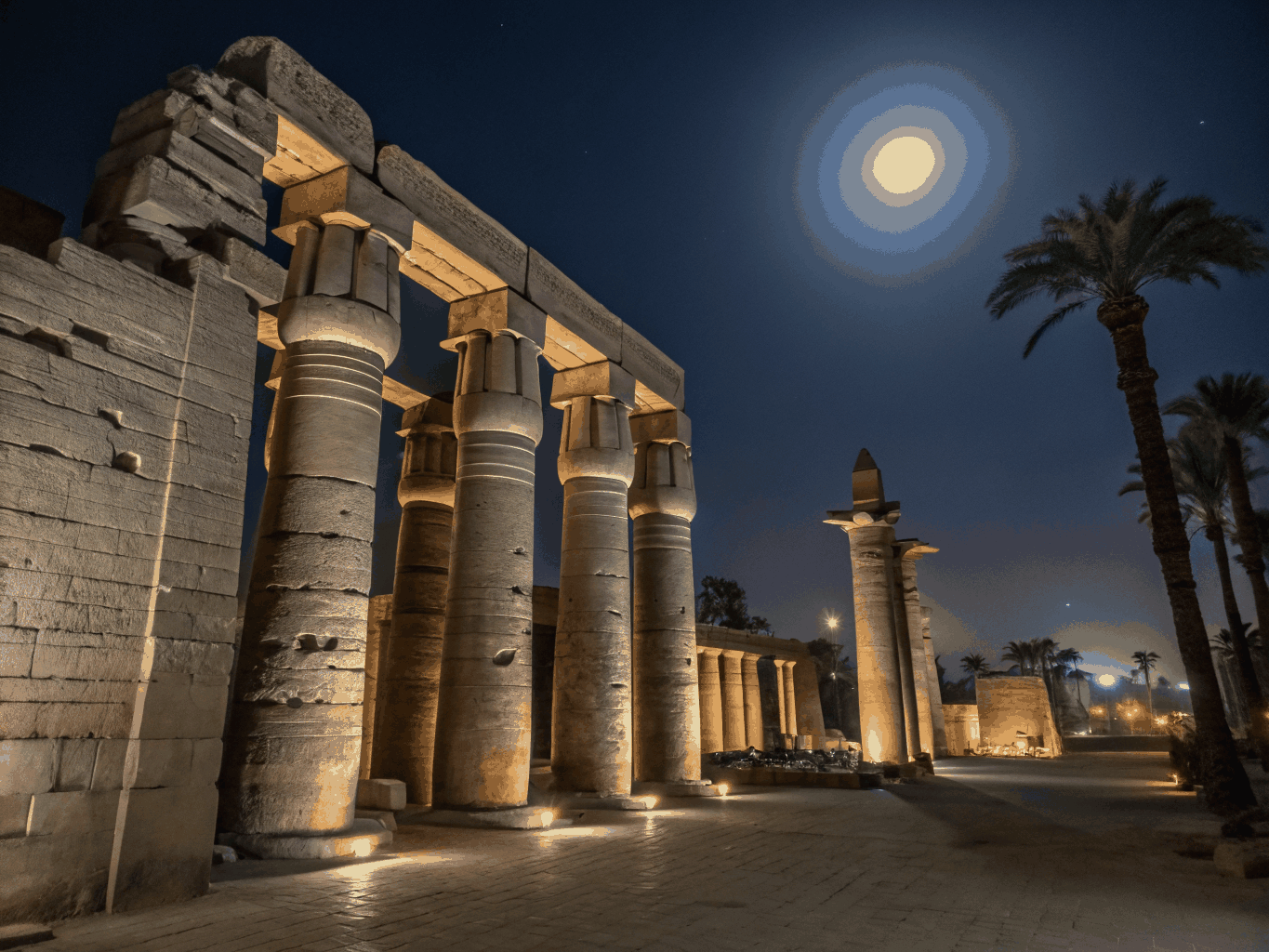
Epigraphic Reliefs & Archaeological Cachette
Illustrates the theological mechanism of the annual Opet Festival, documenting the ritual union between the ruling Pharaoh and the Amun triad.
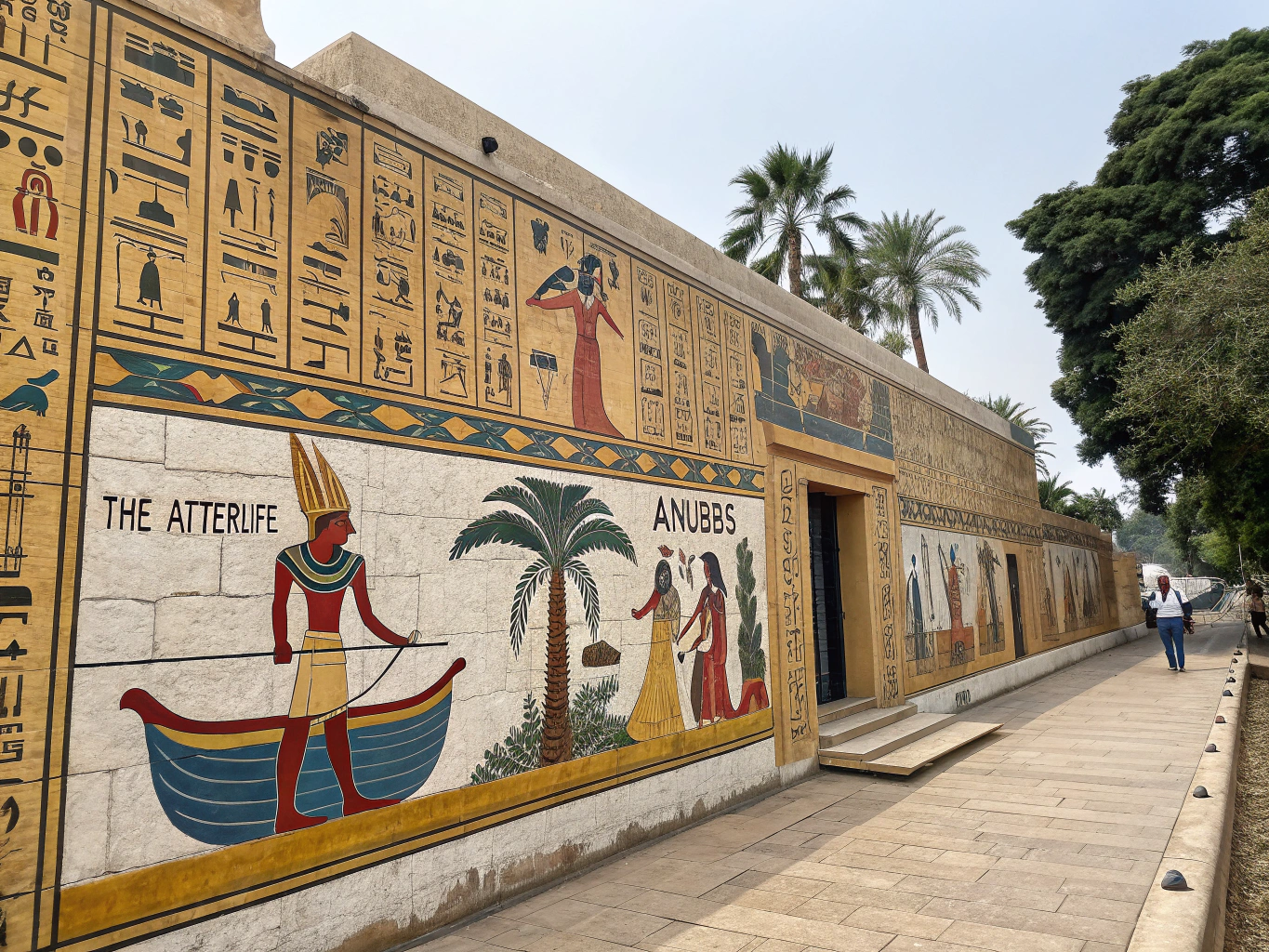
Intact Stratified Funerary Assemblage
Contains the most complete surviving corpus of New Kingdom mortuary texts, gilded mythological figures, and Osirian ritual paraphernalia in situ.
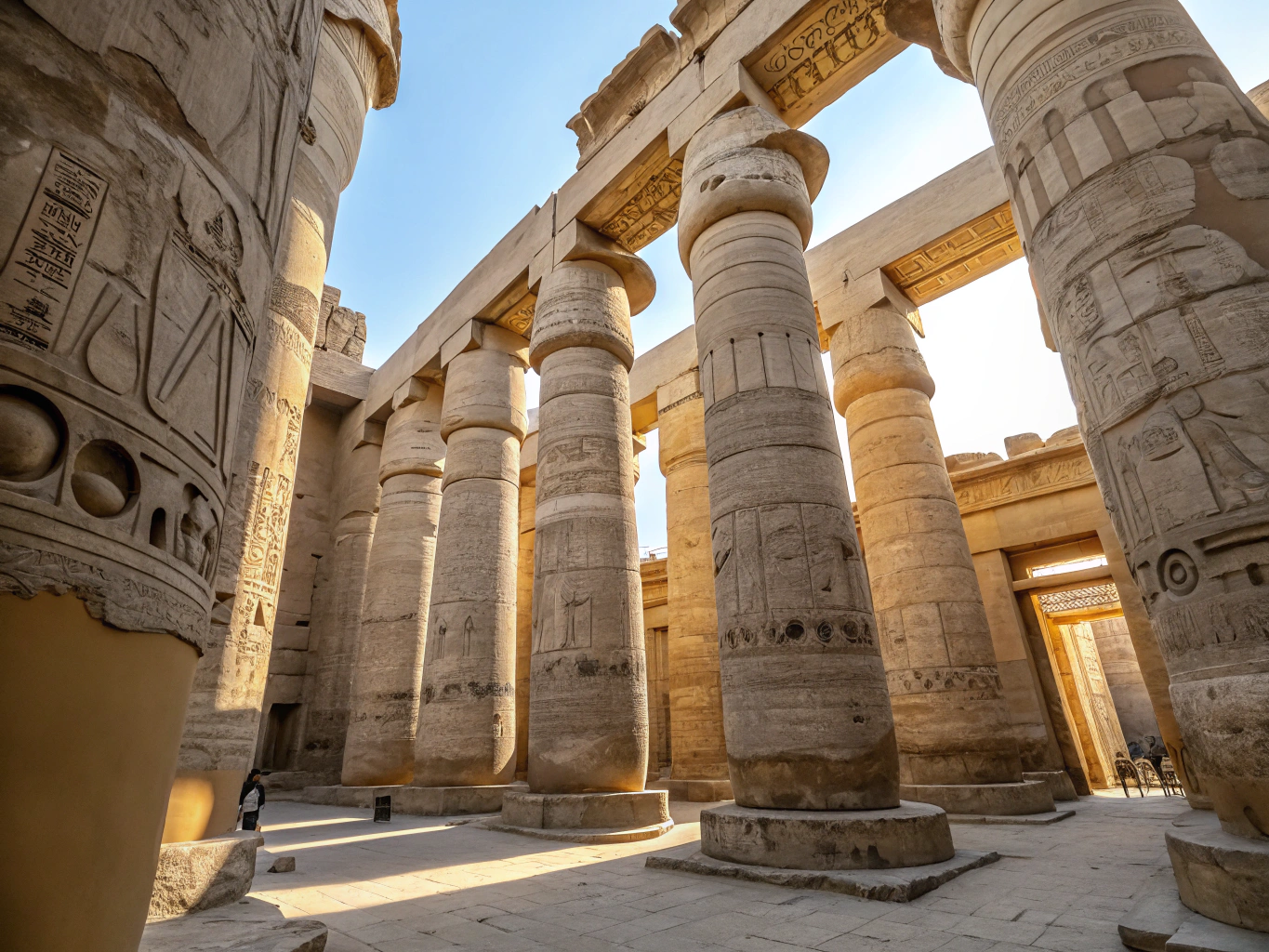
Monumental Epigraphy & Architectural Engineering
Represents the pinnacle of ancient temple architecture as a microcosm of primeval creation (the marsh of creation) emerging from Nun.
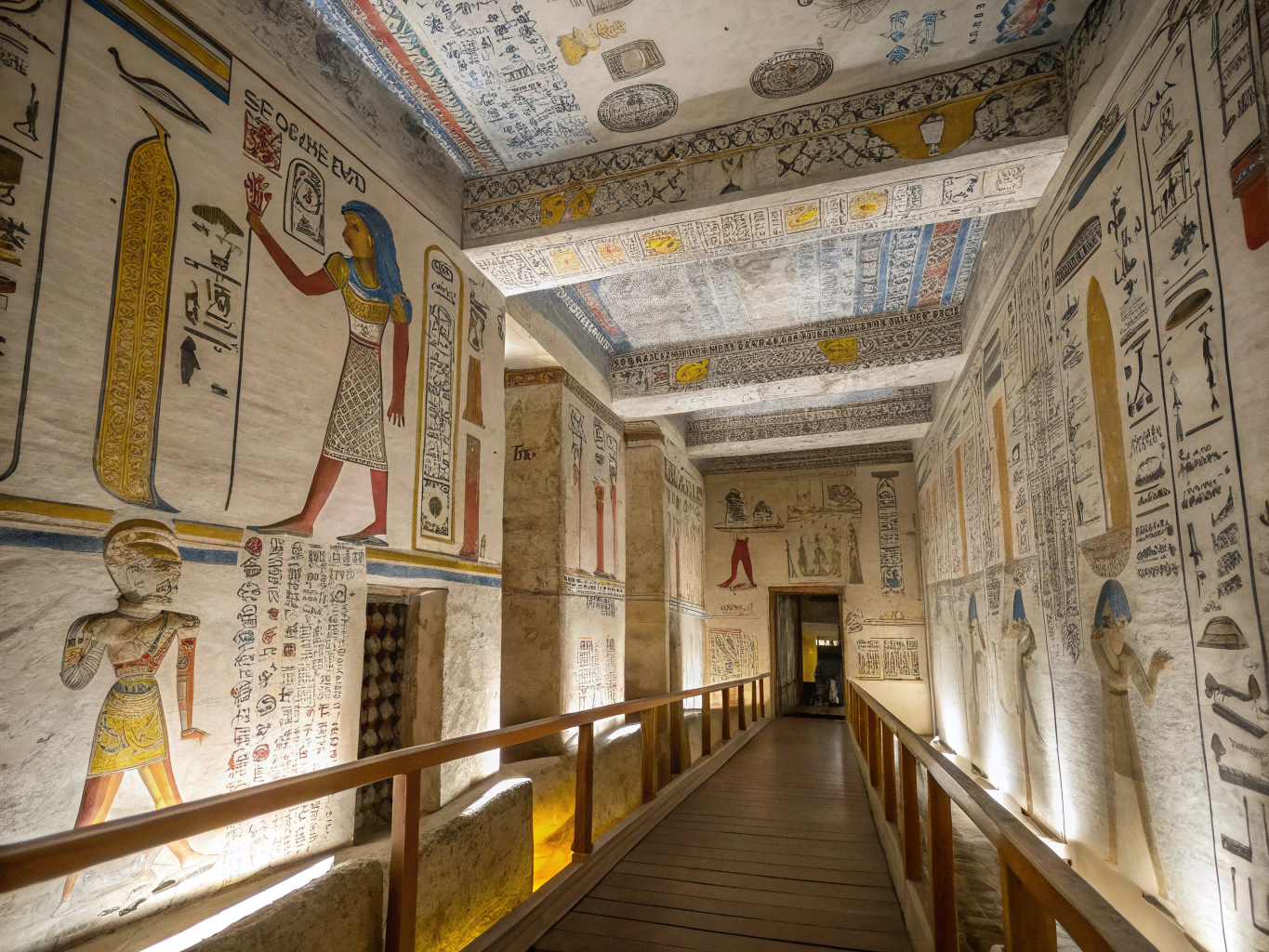
Complete Liturgical Wall Epigraphy
Documents the hour-by-hour nocturnal journey of the sun god through the underworld, establishing the premier textual record of Egyptian eschatology.
Historiographical Methodology
All records displayed above distinguish between liturgical/mythological claims preserved on temple reliefs and verified material context confirmed by carbon dating, architectural stratigraphy, and epigraphic surveys conducted under the Supreme Council of Antiquities.
Scholarly References & Primary Bibliography
Peer-reviewed excavation monographs, epigraphic surveys, and museum publications
“Giza and the Pyramids: The Definitive History”
Thames & Hudson, London & New York.
“Rapport sur les travaux de Karnak (1927–1934)”
Annales du Service des Antiquités de l'Égypte (ASAE), Cairo.
“Reliefs and Inscriptions at Luxor Temple, Volume 1: The Festival Procession of Opet in the Colonnade Hall”
Oriental Institute Publications (OIP 112), The University of Chicago.
“The Complete Tutankhamun: The King, The Tomb, The Royal Treasure”
Thames & Hudson, London.
“The Great Hypostyle Hall in the Temple of Amun at Karnak, Volume 1, Part 2: Translation and Commentary”
Oriental Institute Publications, Chicago & Memphis.
“The Tomb of Pharaoh Seti I / Das Grab Sethos' I”
Artemis Verlag, Zurich & Munich.
“The Search for God in Ancient Egypt”
Translated by David Lorton. Cornell University Press, Ithaca.
Related Learning & Historical Context
Continue exploring connected Near Eastern cosmologies, archaeological periods, and comparative analytical tools.