Relationship Explorer
Select any two civilizations, traditions, or historical regions to inspect documented trade routes, linguistic cognates, cultural diffusion, and religious cross-pollination with rigorous evidence classifications.
Scholarly Evidence Standard
Every claim is strictly classified by material and textual rigor.
Ancient MesopotamiaandAncient Egypt
Jemdet Nasr-style pottery shards found in southern Egypt and lapis lazuli beads at Hierakonpolis.
Trade existed primarily via maritime Red Sea coastal relays and Levantine land corridors rather than direct political colonization.
Early 20th-century theories of a 'Dynastic Race' invading from Mesopotamia have been completely dismissed by modern physical anthropology.
Tomb U-j bone and ivory tags in Abydos showing early phonetic sign usage alongside Sumerian administrative clay tablets.
Stimulus diffusion of the general concept of notation may have occurred, but the actual writing system of Egypt developed autonomously.
Direct borrowing of graphemes lacks textual evidence.
Gebel el-Arak ivory knife handle (Louvre), Narmer Palette cosmetic palette reliefs.
Artistic motifs were shared and adapted by Egyptian elite artisans to express local royal triumph and cosmic order (Ma'at).
Whether specific Mesopotamian theology accompanied the visual motifs remains unverifiable.
Frequently Asked Historiographical Questions
Want to compare specific theological frameworks?
Jump directly to the side-by-side doctrinal comparison engine.
Historical People & Visual Reconstructions
Examine the founders, prophets, scholars, and rulers of world religious history. Root 2 Root strictly classifies portraits into authentic contemporary artifacts, ancient artwork, and scientifically informed reconstructions with detailed material culture analysis.

Third Mauryan emperor who patronized Buddhism across South and Central Asia following the Kalinga War, etching royal edicts on stone monoliths and pillars.

Spiritual teacher who founded Buddhism, teaching the Four Noble Truths and the Eightfold Path to liberation from rebirth (samsara) across the Gangetic plains.
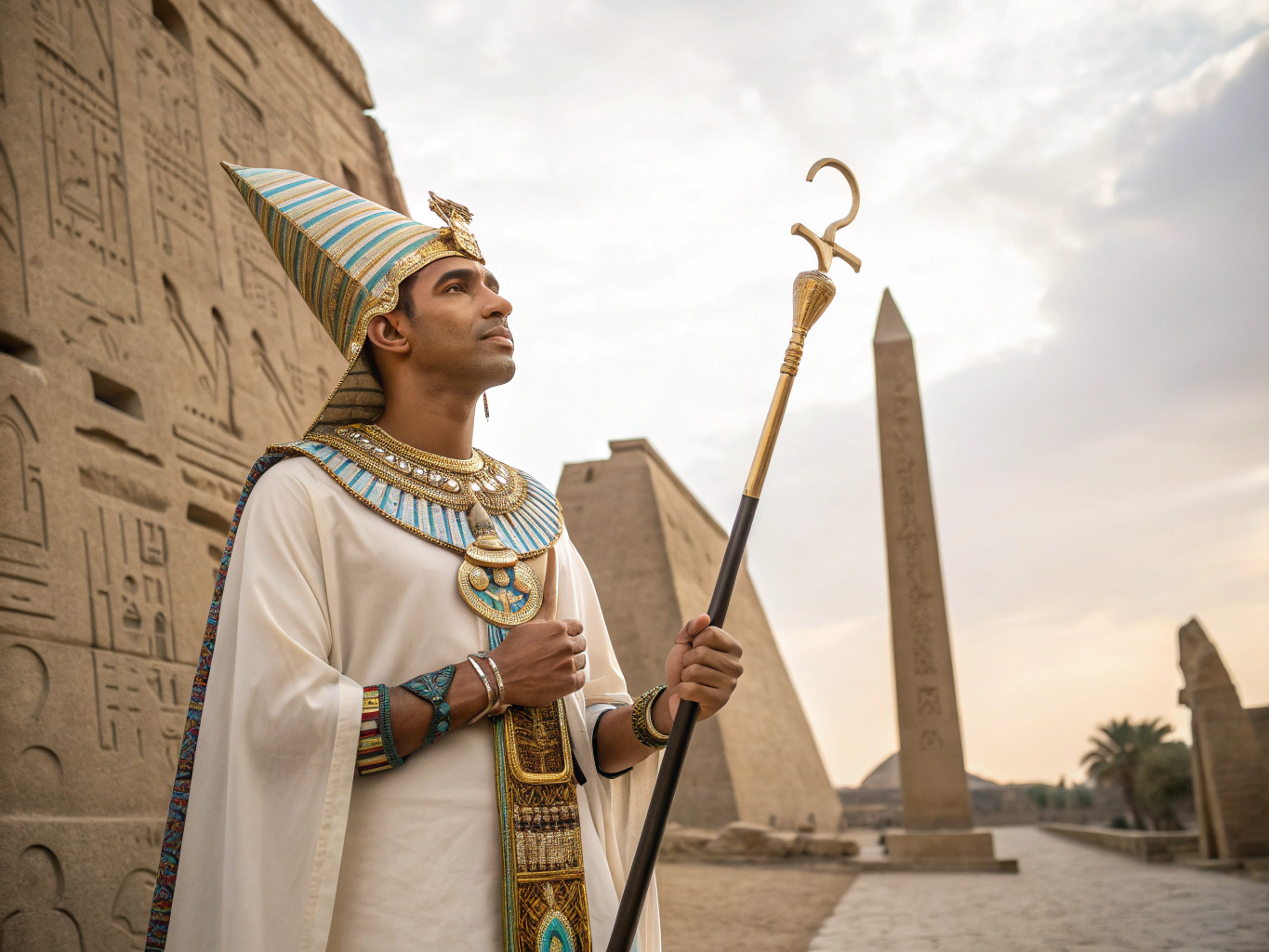
Egyptian pharaoh who instituted a revolutionary religious transformation, centering state worship exclusively on the solar disc Aten and building the desert capital of Akhetaten.

Chinese philosopher and statesman whose ethical, familial, and governmental teachings fundamentally structured East Asian social thought and statecraft.
Ancient Chinese philosopher and legendary founder of philosophical Daoism, traditionally credited with authoring the Daodejing (Tao Te Ching).
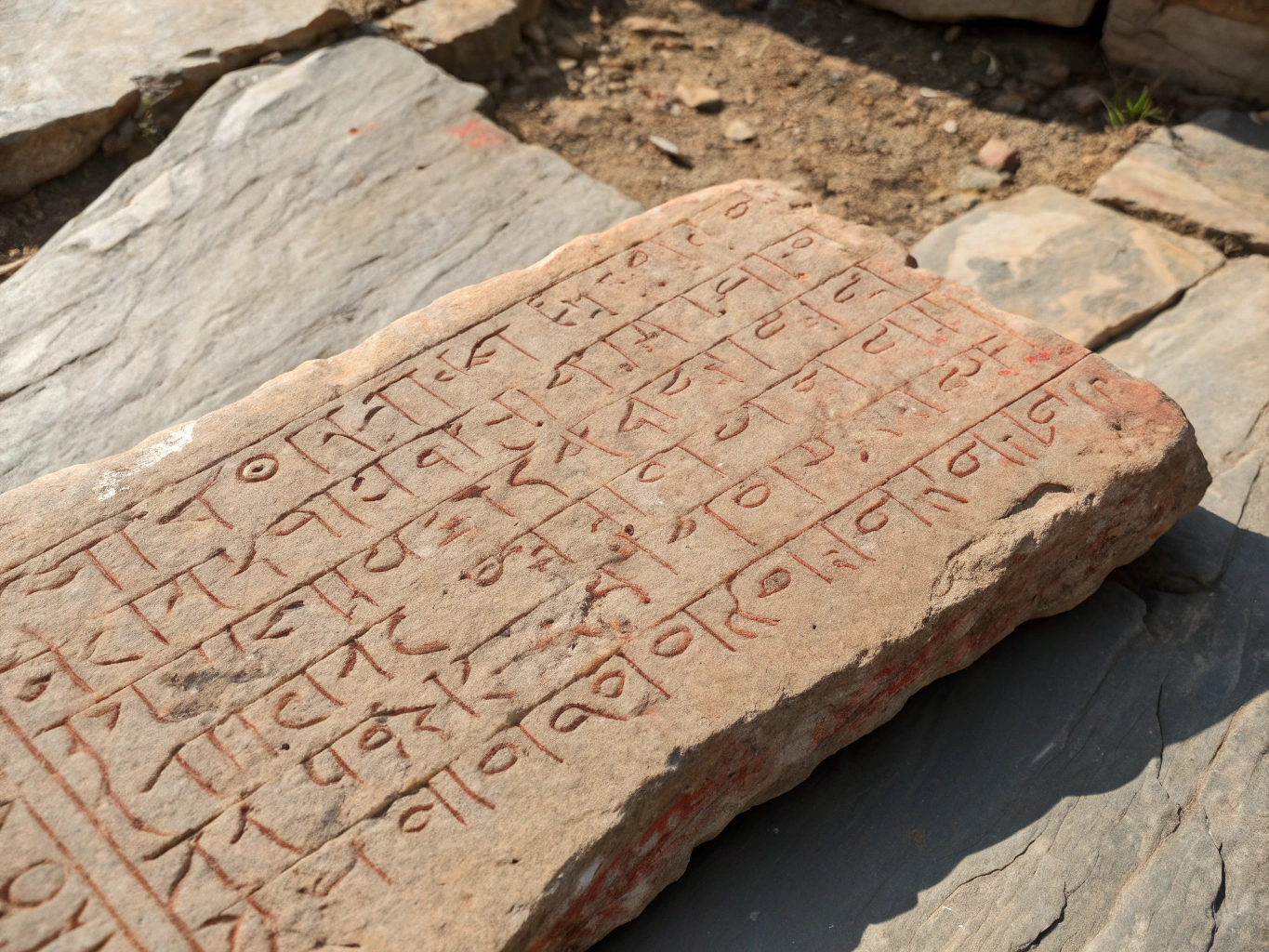
Ancient Iranian prophet and poet credited with composing the Gathas, championing ethical dualism (Asha vs. Druj) and the supreme worship of Ahura Mazda.
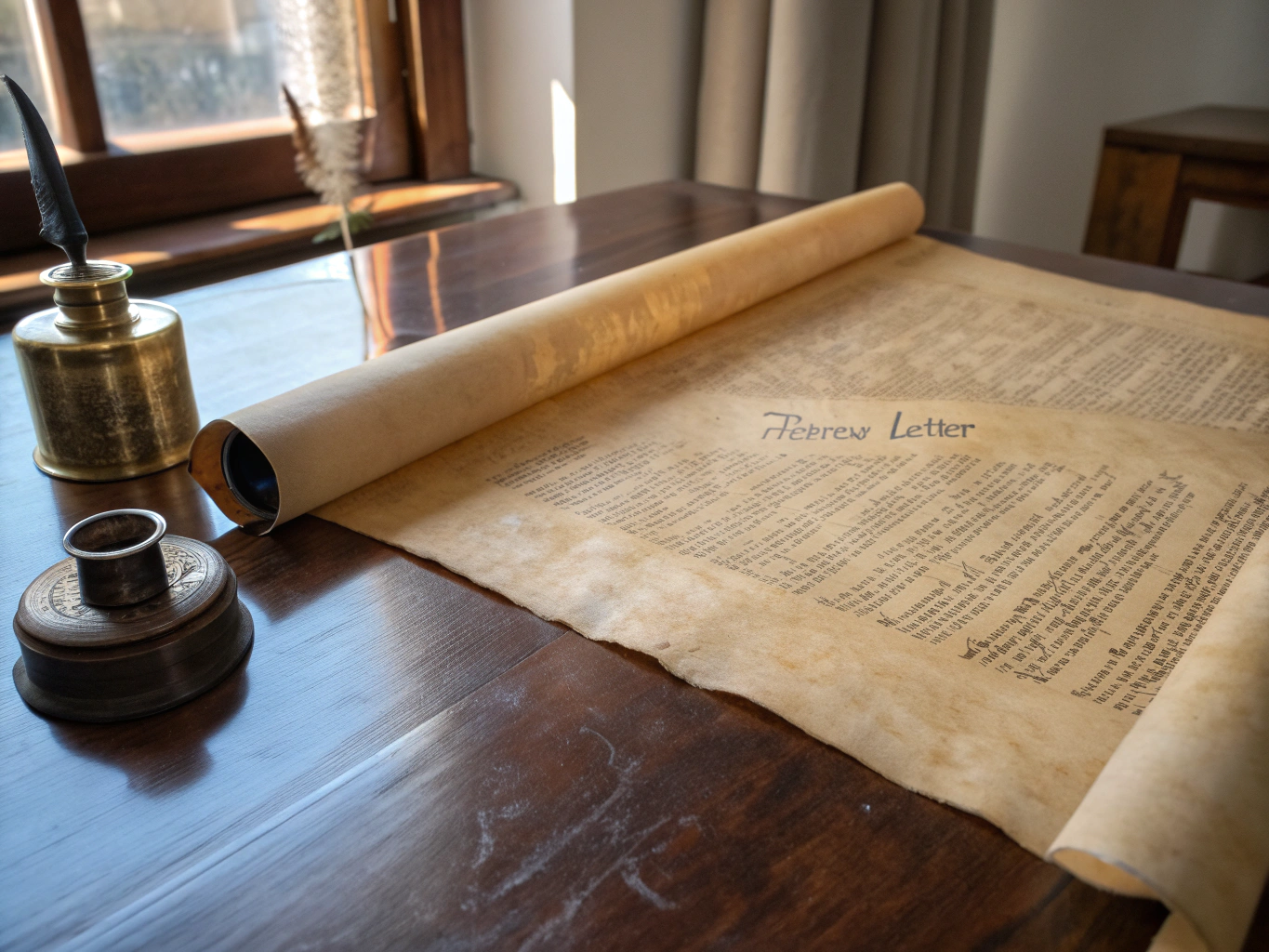
Leading Hellenistic Neoplatonist philosopher, astronomer, and mathematician in Roman Alexandria who taught pagan and Christian pupils and edited Ptolemaic astronomical treatises.
Preeminent medieval Jewish philosopher, jurist, and court physician who synthesized Aristotelian rationalism with Rabbinic Halakha in the Mishneh Torah and Guide for the Perplexed.
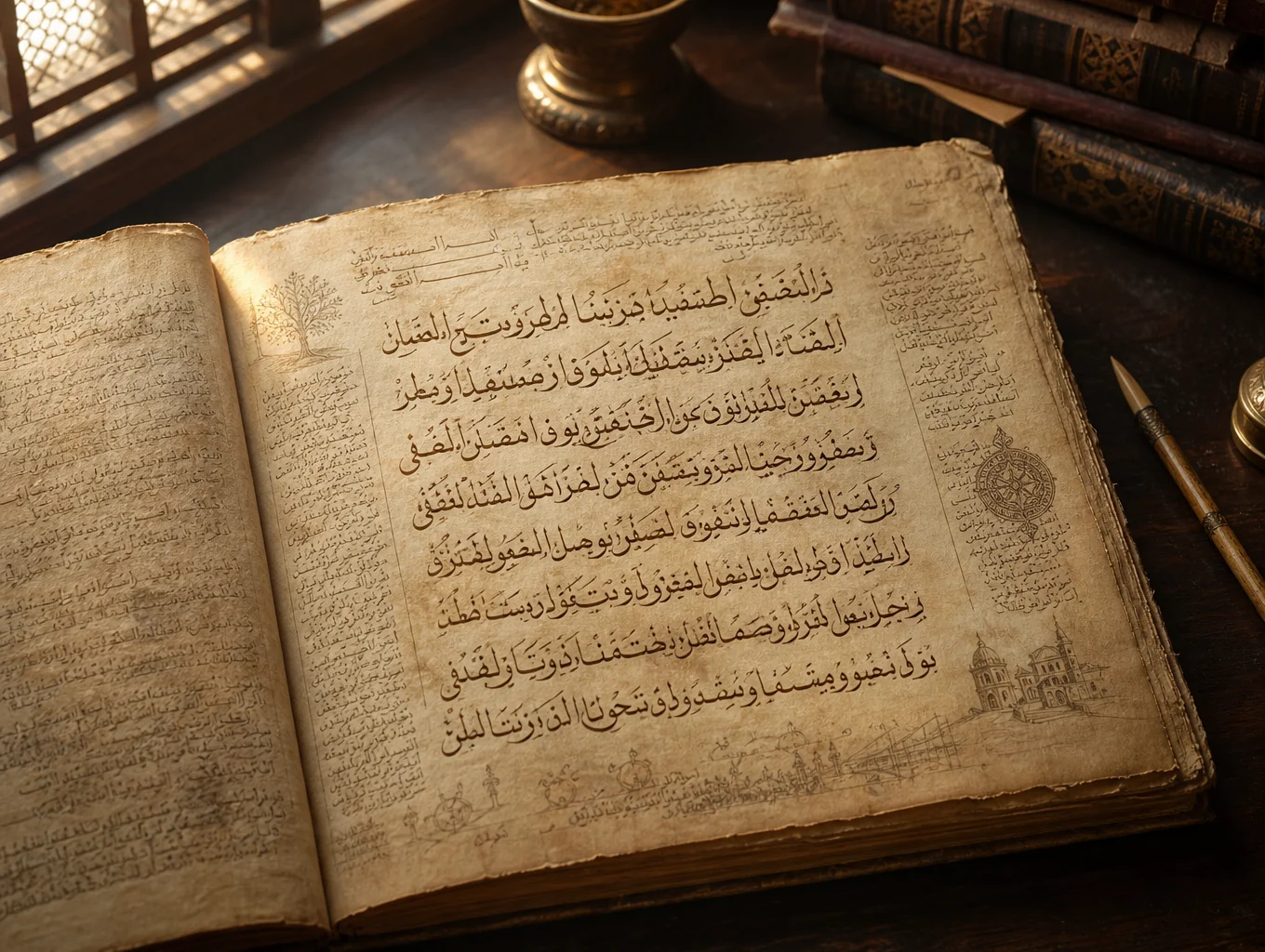
Free woman of color, herbalist, midwife, and legendary Louisiana Voodoo practitioner who led public and private rituals and blended Catholic devotionalism with West African spiritual practices.

German Jewish philosopher whose advocacy for religious tolerance, civic emancipation, and German translation of the Torah initiated the Jewish Enlightenment (Haskalah).
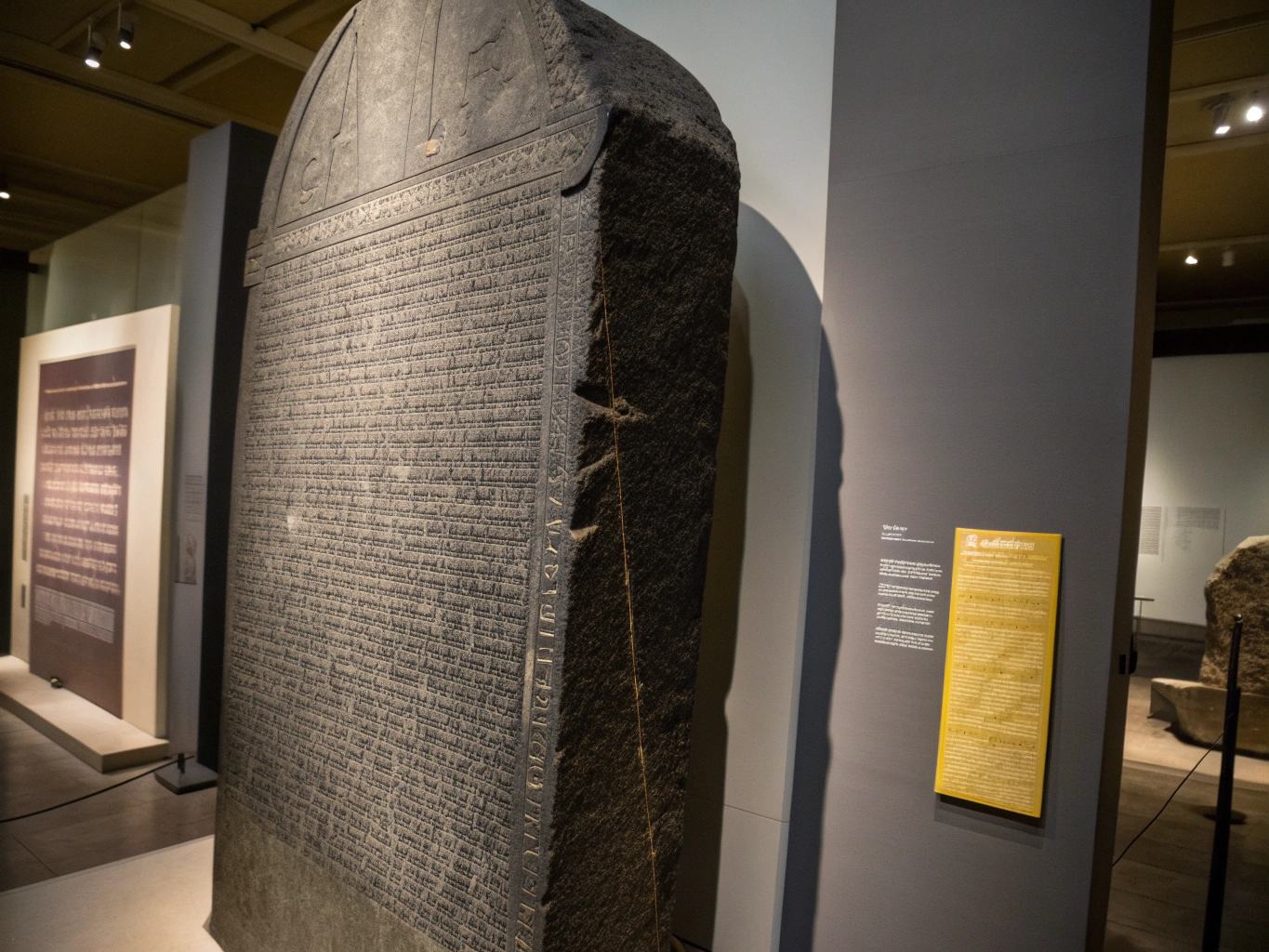
Sixth king of the First Babylonian Dynasty who codified an extensive legal corpus framed as divinely bestowed by the sun-god Shamash and patron Marduk.
Jewish-Roman citizen and early Christian apostle whose undisputed epistles form the earliest written theological literature of the New Testament.

Founder of Sikhism and the first of the ten Sikh Gurus, who preached the unity of God (Ik Onkar), egalitarian social fellowship, and universal spiritual liberation.
Islamic theologian, jurist, and mystic whose monumental work 'The Incoherence of the Philosophers' and 'Ihya Ulum al-Din' bridged orthodox Sunni jurisprudence with spiritual Sufism.

Philosopher and theologian who consolidated the doctrine of Advaita Vedanta (radical non-dualism) and established four cardinal monastic mathas across India.

Central prophet and lawgiver in Biblical tradition who led the Israelites out of Egypt and received the Torah and Covenant at Mount Sinai.
How Historians Know What They Know
Unraveling sacred history demands rigorous, empirical reconstruction. Explore the six foundational scientific disciplines, our epistemic validation matrices, and historical causal flowcharts.
Archaeological Stratigraphy
Physical ExcavationC-14 AMS Radiocarbon Calibration
Atomic ArchaeometryComparative Linguistics & Glottochronology
Historical PhilologyManuscript Stemmatics & Textual Criticism
Codex HermeneuticsEpigraphy & Paleography
Inscriptional AnalysisArchaeometry & Material Provenancing
Physical ScienceMethodological Operation & Theory
Analysis of sequential soil, destruction, and occupation layers (strata) based on the law of superposition to establish relative chronological sequences of sacred sites.
Harris Matrix sequence mapping coupled with diagnostic ceramic typologies.
Relative sequence (±10–25 years when anchored to destruction layers).
Dating temple foundations, sacrificial altars, and urban religious transformations.
Excavation strata at Tel Megiddo & Jericho revealing Bronze-to-Iron Age cultic transitions.
Stratigraphic disturbance caused by ancient looting, earthquake faults, and architectural renovations.