Cradles of ancient faith
Explore the archaeological strata, monumental temples, and epigraphic inscriptions that shaped early human belief.
Urbanized Bronze Age civilization characterized by standardized weights, fire-baked brick citadels, sophisticated hydraulic drainage, and enigmatic undeciphered glyptic seals.
Kenoyer, J. Mark (1998), Ancient Cities of the Indus Valley Civilization
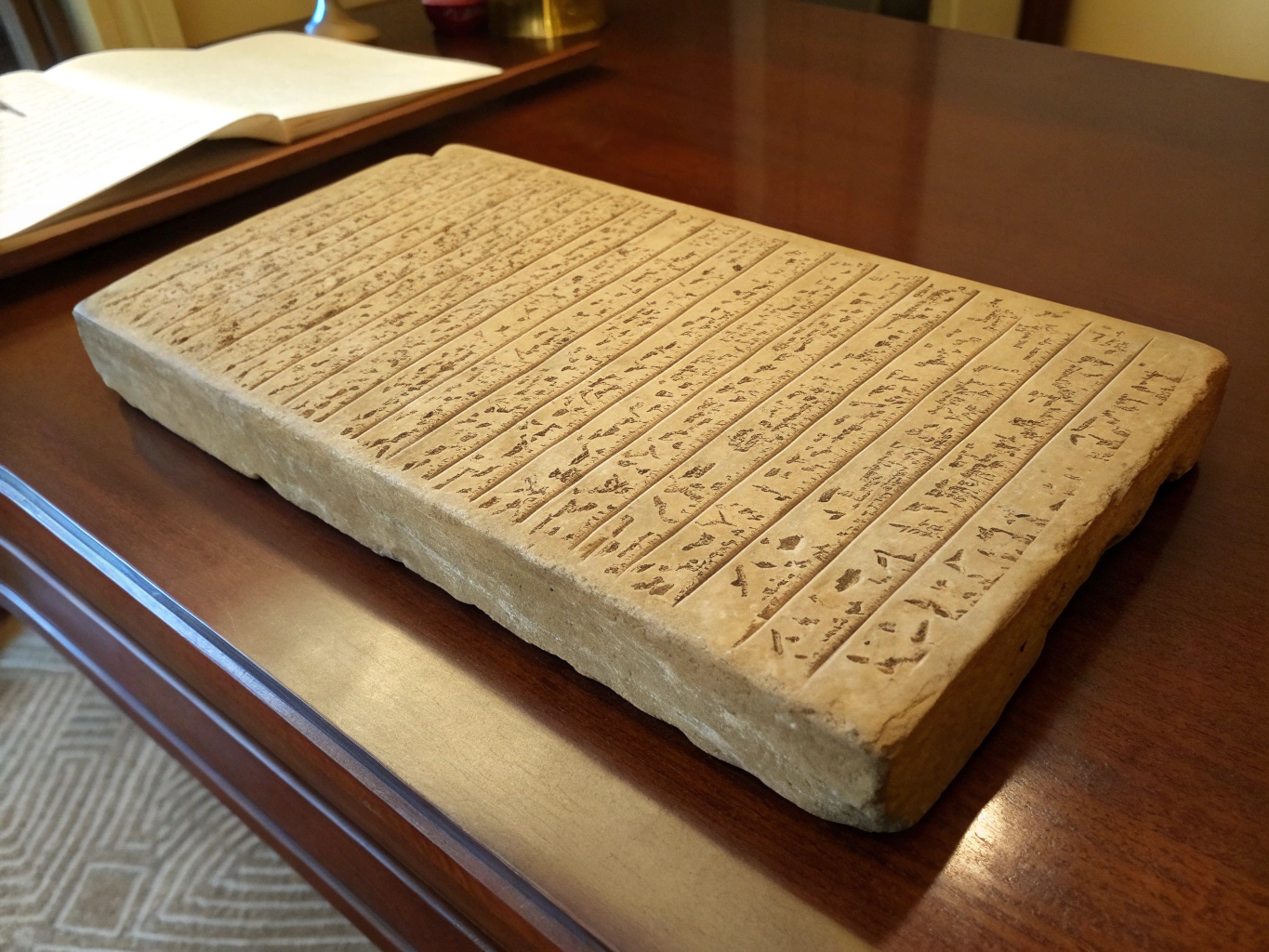
Cradle of monumental terraced ziggurats and codified legal pantheons, preserving the world's earliest deciphered creation mythologies and royal liturgies.
Black, Jeremy and Green, Anthony (1992), Gods, Demons and Symbols of Ancient Mesopotamia: An Illustrated Dictionary
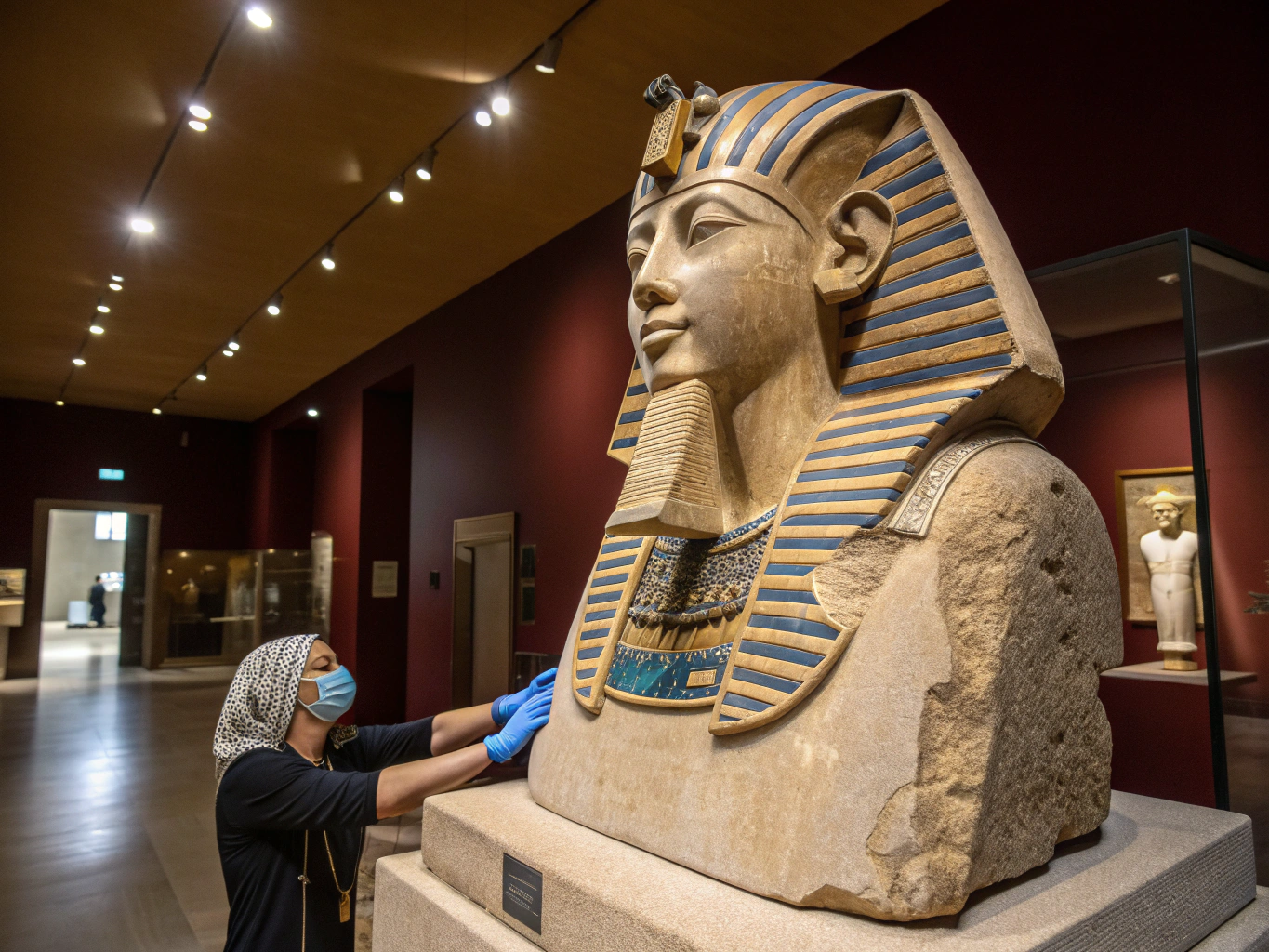
Rigid cosmic order (Ma'at) manifested through monumental stone pyramid complexes, hypostyle temple precincts, and extensive papyrological mortuary literature.
Assmann, Jan (2001), The Search for God in Ancient Egypt
Highland tribal confederation evolving into twin monarchies that produced ethical monotheism, covenantal theology, and foundational scriptural compilations.
Finkelstein, Israel and Silberman, Neil Asher (2001), The Bible Unearthed: Archaeology's New Vision of Ancient Israel and the Origin of Its Sacred Texts
Achaemenid imperial administration centering on cosmic dualism between Truth and Deceit, imperial decrees of cultural tolerance, and sacred fire altars.
Boyce, Mary (1979), Zoroastrians: Their Religious Beliefs and Practices
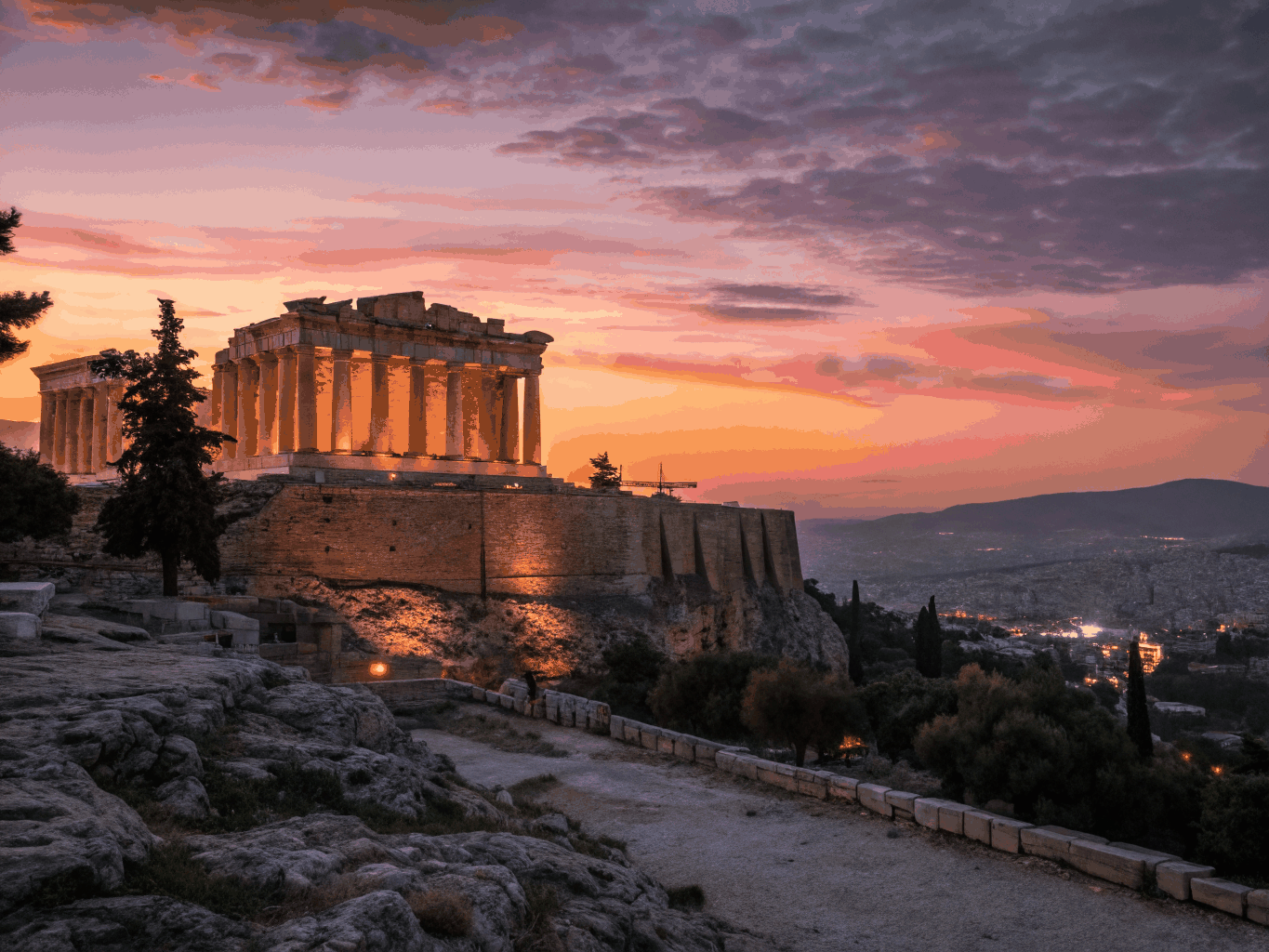
Civic-pantheon networks balancing panhellenic sanctuaries, chthonic oracle consultations, and philosophical dialectics critiquing anthropomorphic deities.
Burkert, Walter (1985), Greek Religion: Archaic and Classical
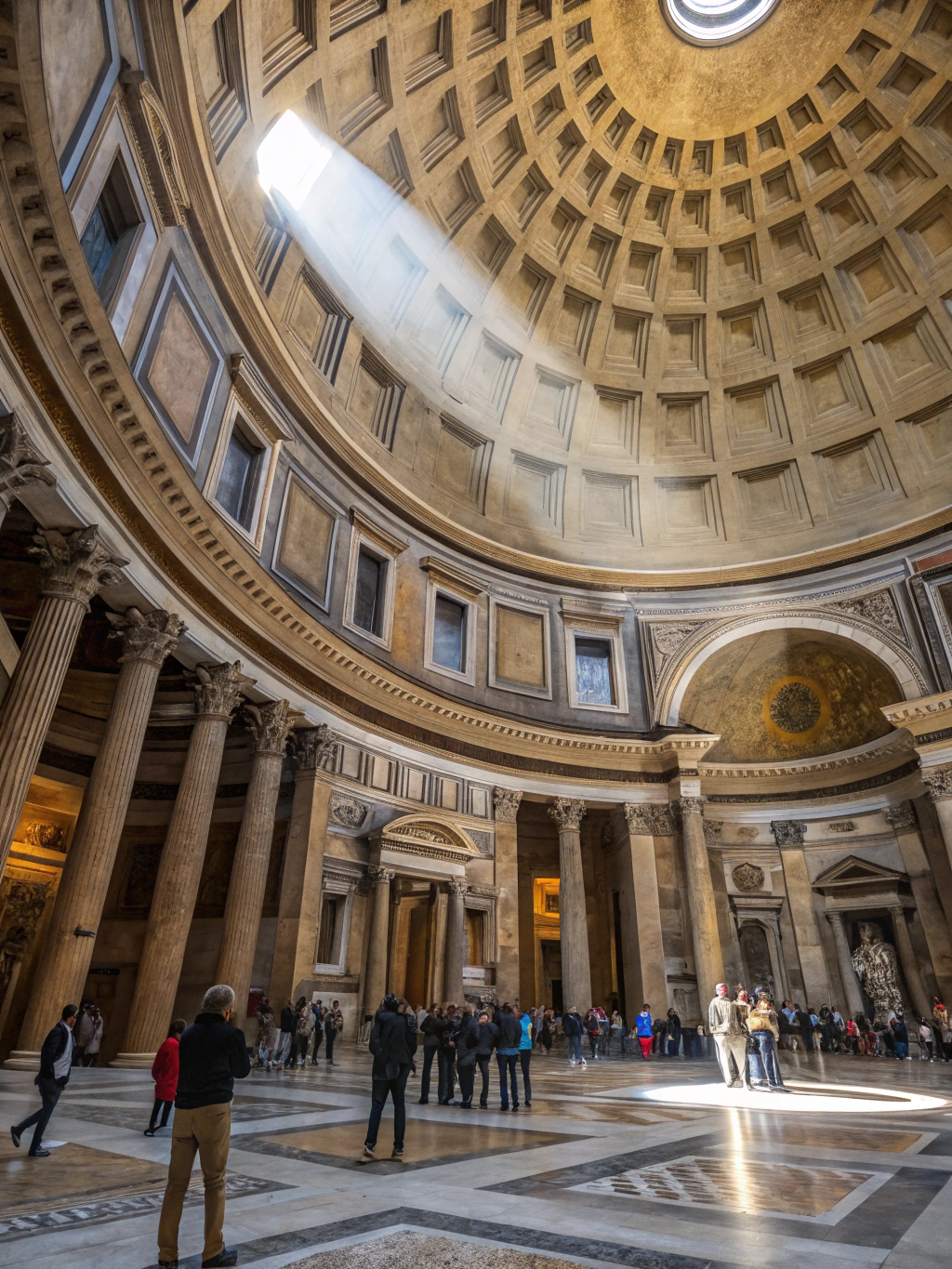
Pragmatic state religion (Pax Deorum) integrating foreign cults, civic priesthood colleges, imperial deification, and monumental unreinforced concrete domed temples.
Beard, Mary, North, John, and Price, Simon (1998), Religions of Rome: Volume 1, A History
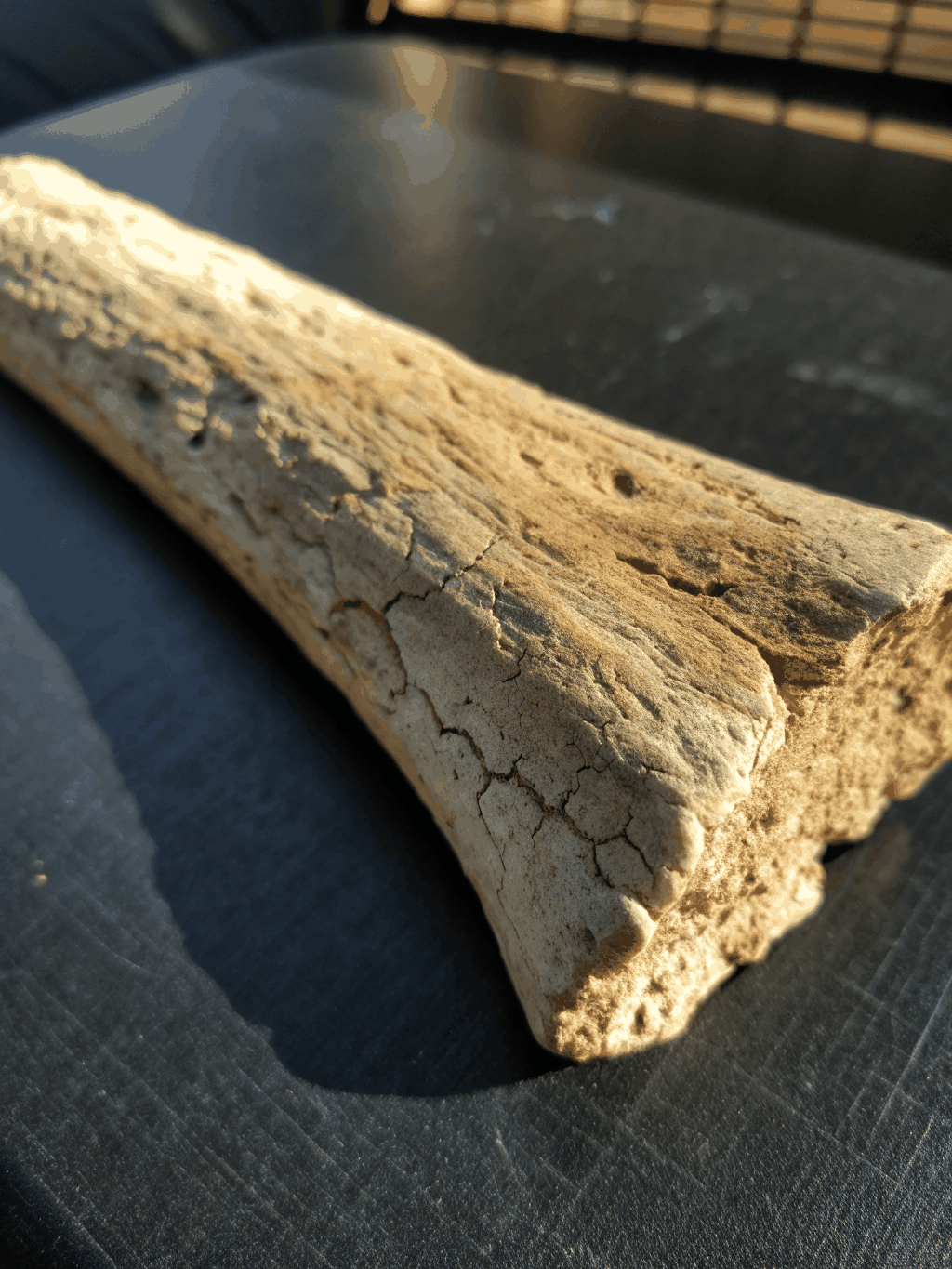
Ancestral veneration systems, scapulimancy divination, and the philosophical consolidation of the Mandate of Heaven regulating cosmic moral order.
Keightley, David N. (2000), The Ancestral Landscape: Time, Space, and Community in Late Shang China (ca. 1200-1045 B.C.)
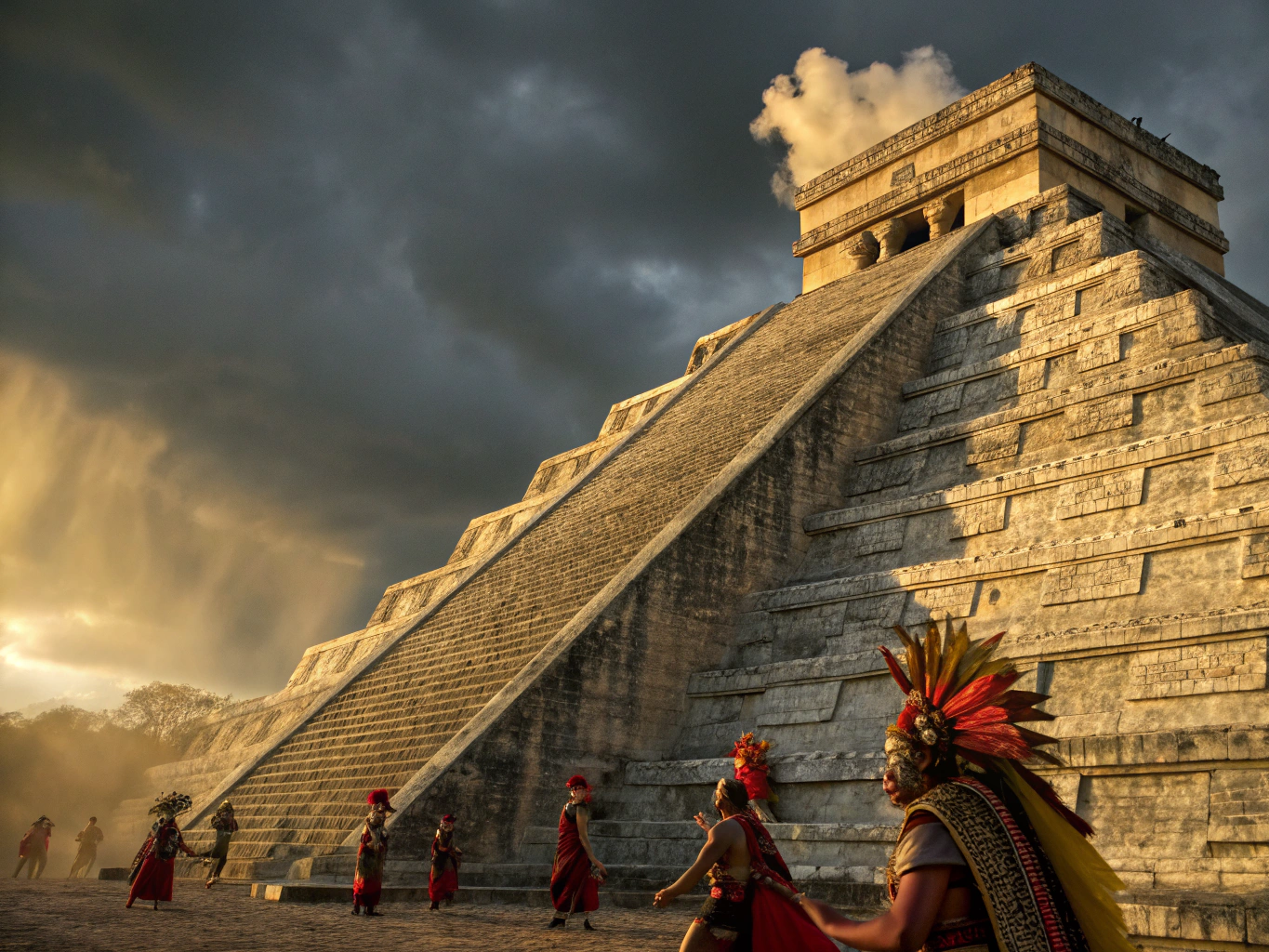
Astronomically calibrated ceremonial cities linking stepped limestone pyramids, reciprocal blood sacrifice covenants, and complex Long Count calendrical cosmology.
Coe, Michael D. and Houston, Stephen (2015), The Maya (9th Edition)
Rigorous separation of historical data and theological claim
All records distinguish between in-situ archaeological stratigraphy, deciphered epigraphic cylinders, and living canonical traditions.
Seminal archaeological discoveries
Examine excavated artifacts and inscriptions that reveal ancient ritual life, temple records, and early sacred writings.
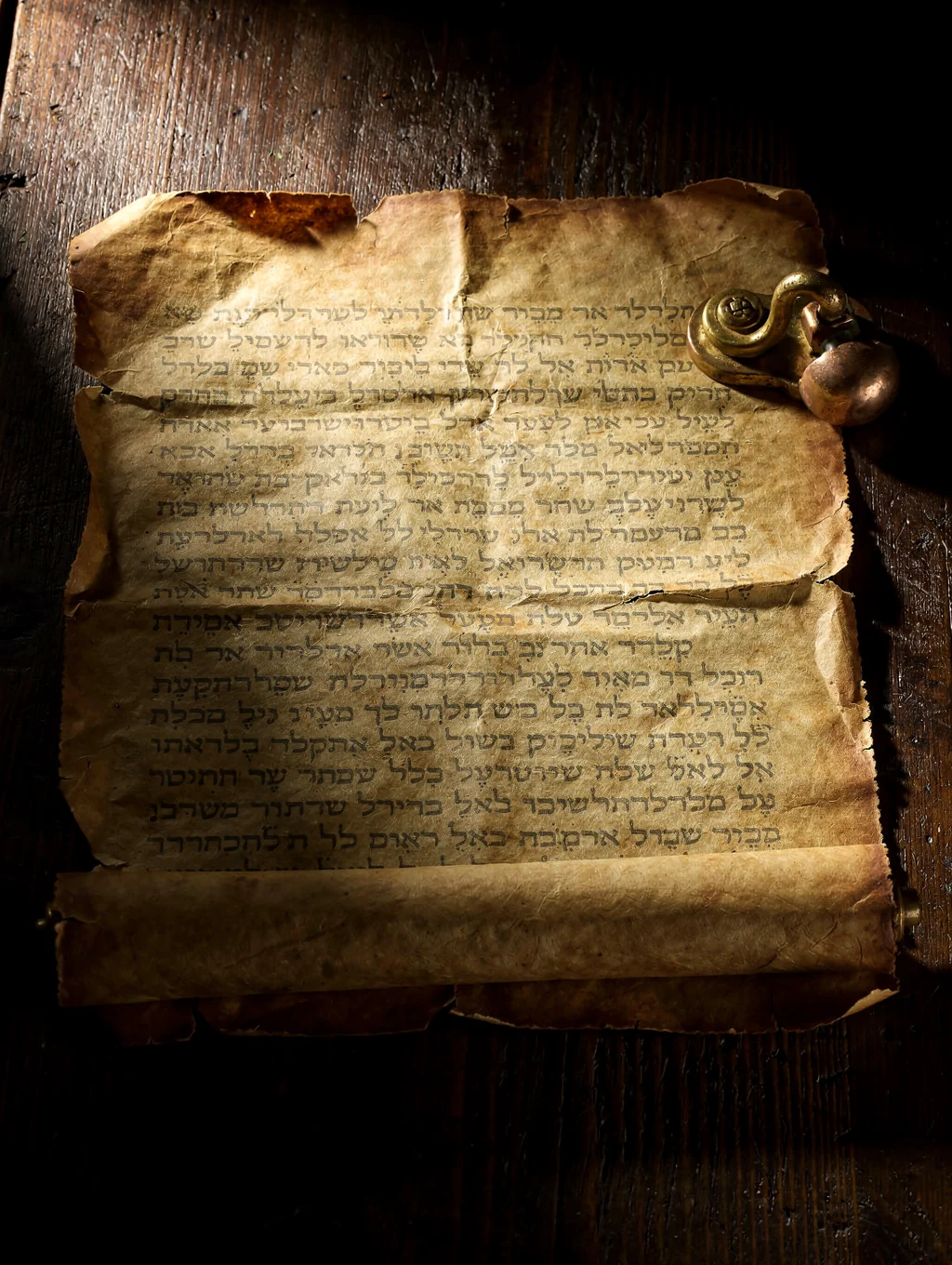
Discovered in eleven limestone caves near the Dead Sea, these parchment and papyrus manuscripts document second-temple Jewish theological diversity and sectarian ascetic practices.
Preserves the oldest surviving Hebrew Bible manuscripts and liturgical community rules detailing sectarian purification rites, communal prayers, and apocalyptic expectations.
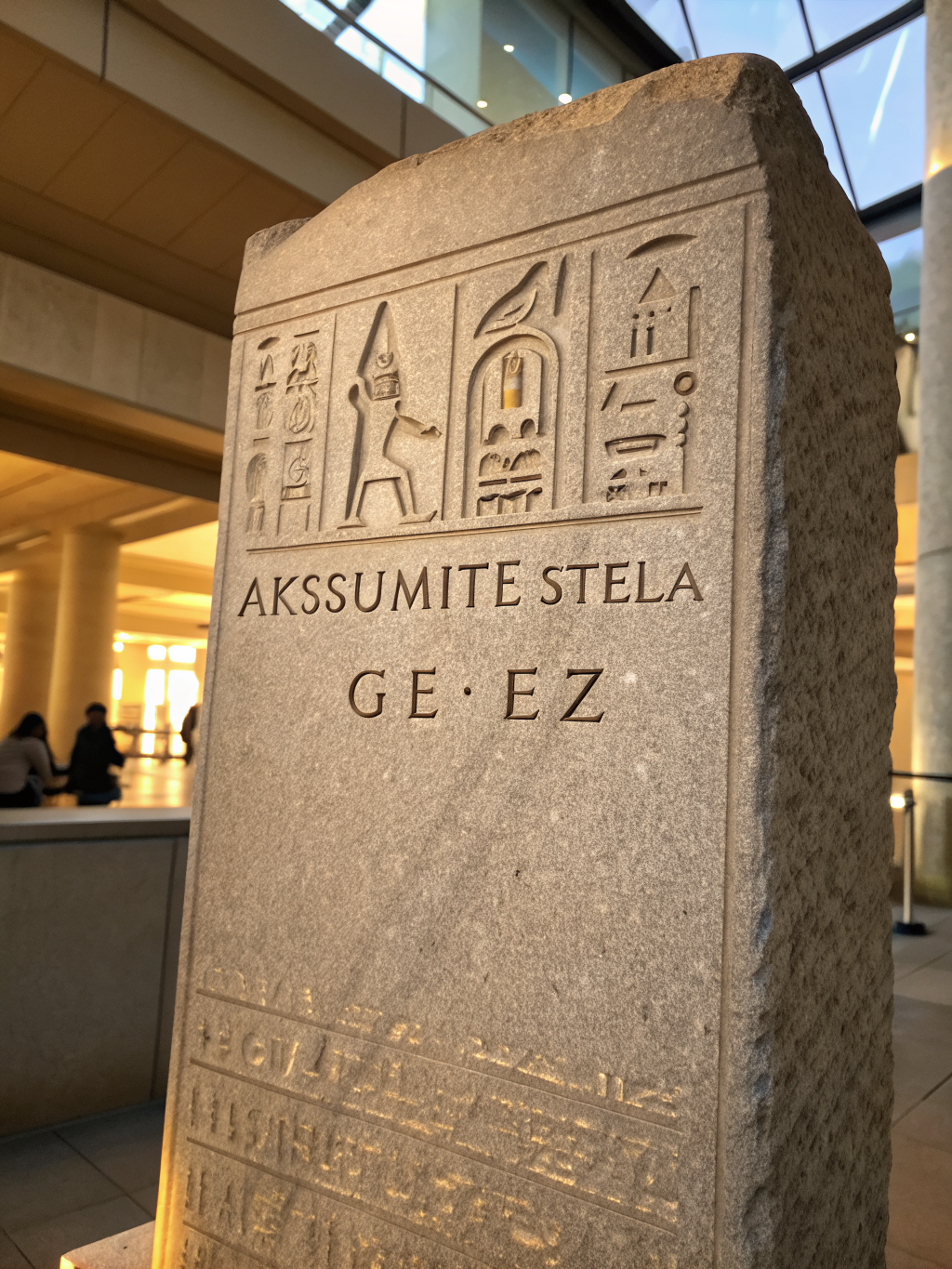
A granodiorite stele inscribed with three scripts (Ancient Greek, Demotic, and Hieroglyphic) that became the key to unlocking the entire written record of Ancient Egyptian religion and statecraft.
Recorded a royal decree establishing the divine cult of young King Ptolemy V Epiphanes, mandating religious honors, daily temple offerings, and statue installations throughout Egyptian sanctuaries.
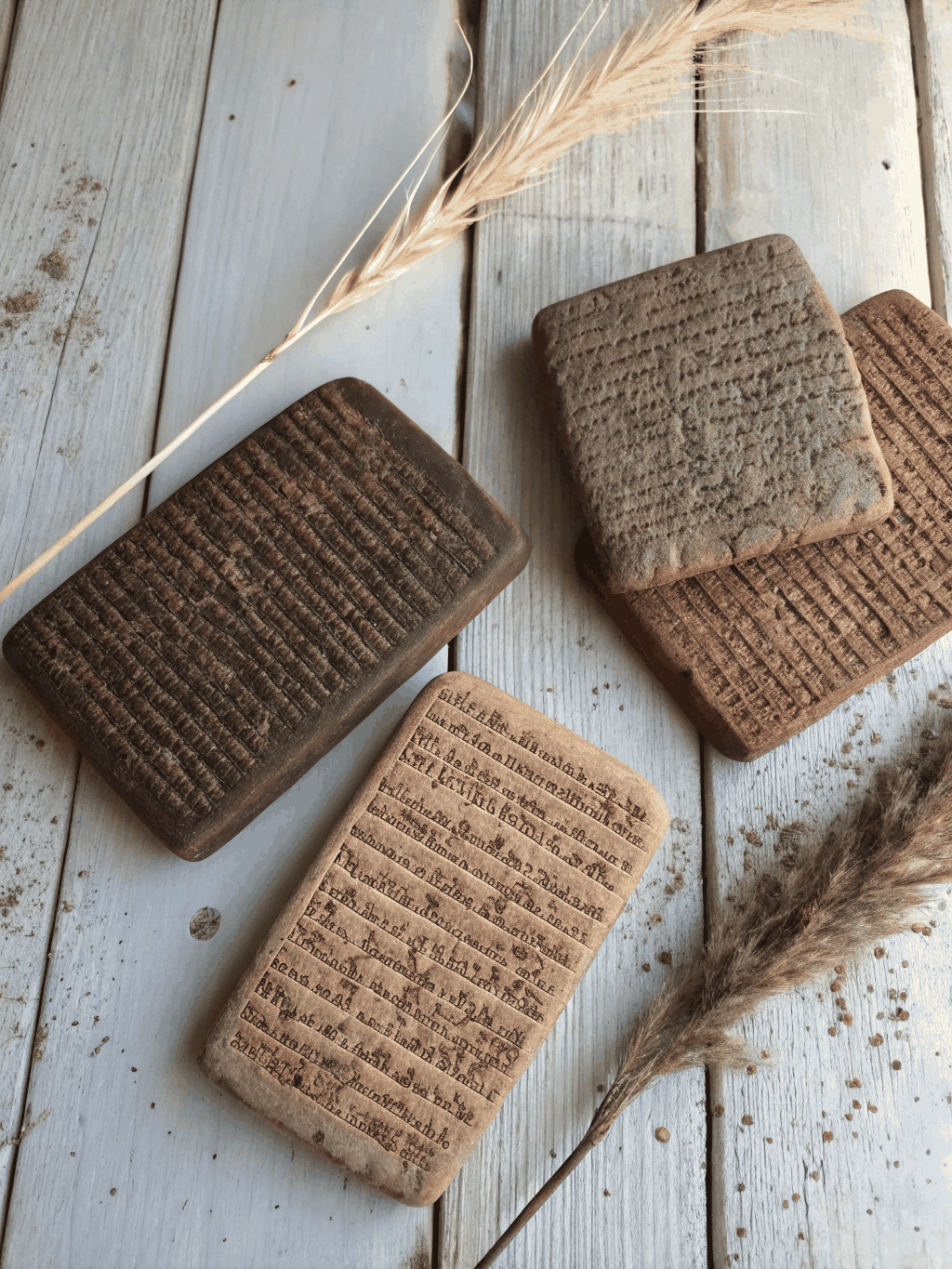
A curved clay barrel inscribed in Akkadian cuneiform by order of Persian king Cyrus the Great following the conquest of Babylon, corroborating historical shifts in Near Eastern religious policy.
Documents the restoration of regional cult sanctuaries, the return of seized divine idols to their original temples, and imperial patronage of Marduk in Babylon.

A steatite stamp seal measuring less than 4cm across, carrying untranslated Harappan pictograms and a central seated figure demonstrating complex symbolic and iconographic craftsmanship.
Depicts a horned, seated yogic figure surrounded by wild beasts, frequently analyzed by archaeologists as an early proto-indicative motif of meditative practice or ascetics.
Peer-reviewed literature & epigraphic registries
Consult the standard academic publications, museum monograph series, and critical editions for each indexed discovery.
Textual Criticism of the Hebrew Bible (3rd Revised Edition)
Fortress Press / Van Gorcum, Minneapolis / Assen
The Rosetta Stone: British Museum Objects in Focus
The British Museum Press, London
The Cyrus Cylinder: The Babylonian Perspective
I.B. Tauris & Co. Ltd. in association with The British Museum, London
The Indus Civilization: A Contemporary Perspective
Rowman Altamira / AltaMira Press, Walnut Creek
The Dead Sea Scrolls Today (2nd Edition)
William B. Eerdmans Publishing Company, Grand Rapids
All physical inscriptions and excavated records on this platform are indexed according to strict archaeological provenance, peer-reviewed publications, and five-tiered evidentiary strata.
Continue exploring ancient worlds and traditions
Traverse comparative historical horizons, archaeological eras, and deep religious lineages.