Taoism: The Way, Virtue, and Cosmic Harmony
Explore the historical origins of Taoism, from its roots in the Warring States period to its enduring influence on philosophy, art, and spiritual practice today.
Era
6th C. BCE
Cradle
Yellow River
Corpus
Quick Facts Overview
5 Core StrataYellow River Valley & Central China
Warring States (c. 6th–4th C. BCE)
Laozi, Zhuangzi, Zhang Daoling
Daodejing, Zhuangzi, Daozang
China, Taiwan & Global Diaspora
Early Daoist Traditions & Archaeological Texts
Distinguishing early philosophical Daojia from later organized liturgy (Daojiao) through paleographic dating, excavated bamboo slips, and primary manuscript analysis.
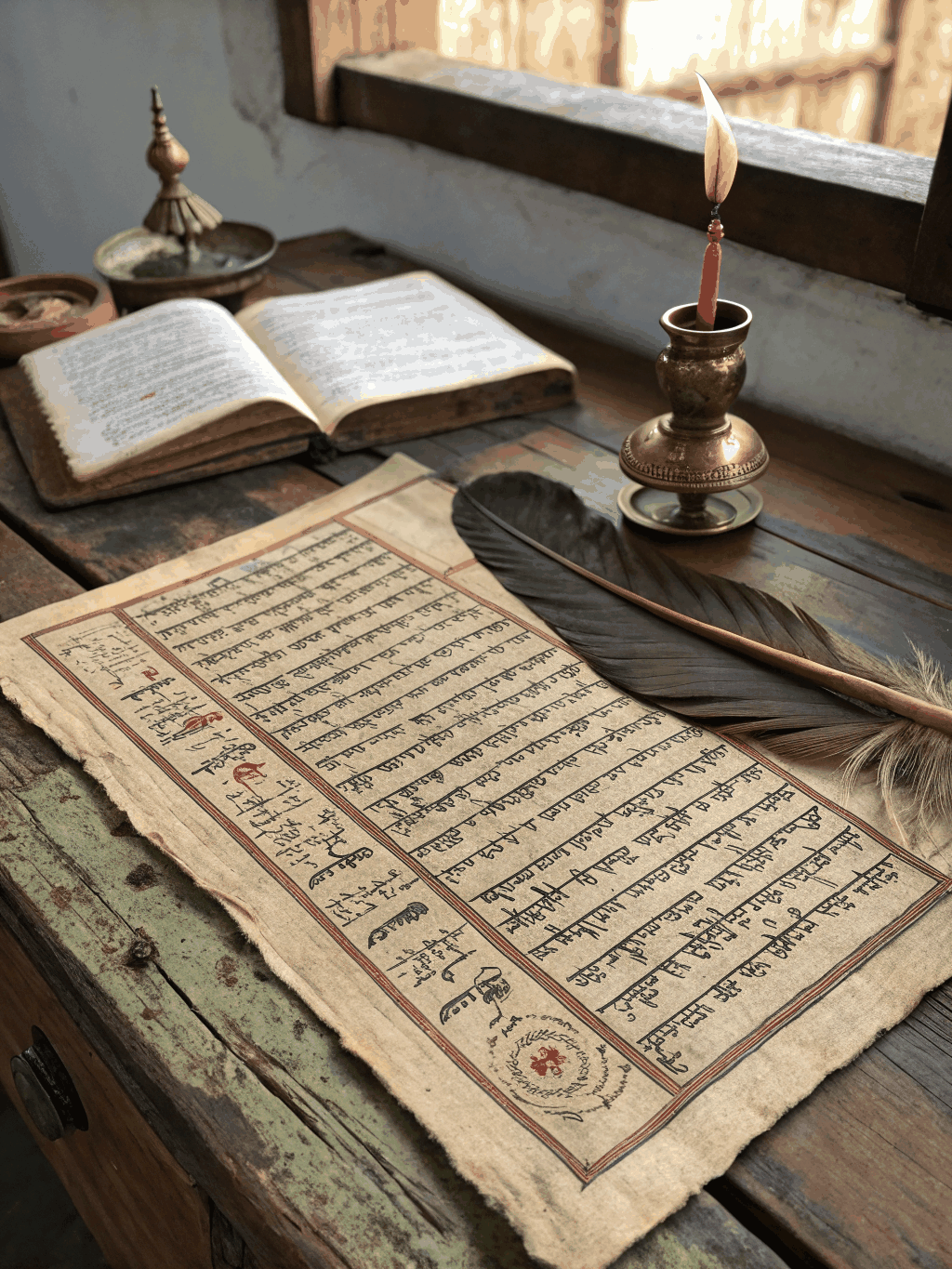
Facsimile of Warring States brush calligraphy illustrating Chapter 1 opening lines.
The Laozi (Daodejing) & Early Wuwei Philosophy
Foundational Canon of Non-Action, Reversal, and the Ineffable Way
“道可道,非常道。名可名,非常名。無名天地之始;有名萬物之母。”
Philosophical Daojia (道家)
Early Daojia (Philosophical Daoism) focused on cosmological harmony, self-cultivation, and ruler-critique via wuwei without institutional priesthood.
Religious Daojiao (道教)
Later Celestial Masters and High Purity traditions deified Laozi into Taishang Laojun, incorporating longevity rites and talismanic liturgies.
Historical Daoist Traditions
Explore the evolution of Daoist lineages, from early celestial revelations to the structured monasticism of the complete perfection school.
Sacred Peaks & Living Traditions
Discover the holy grotto-heavens (洞天福地), monumental temple sanctuaries, cosmic renewal liturgies, and global cultivation lineages verified through peer-reviewed historical scholarship.
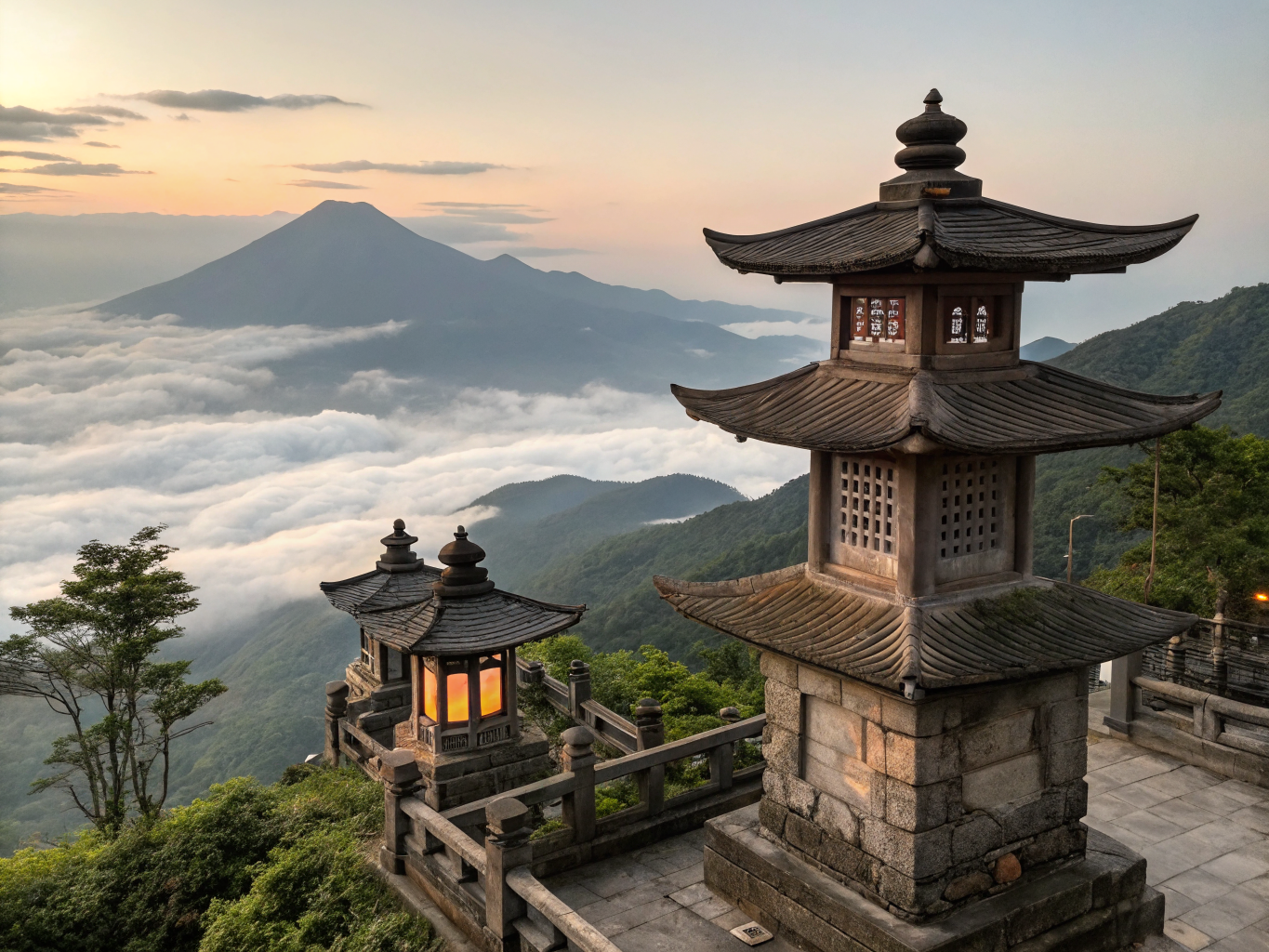
Renowned epicenter of Zhenwu (the Perfected Warrior) veneration and internal martial arts (Taijiquan, Baguazhang). Complex UNESCO architectural sites constructed largely during the Ming Dynasty under Emperor Yongle.
Golden Hall (Jindian) cast entirely in bronze and gilded in 1416 CE.
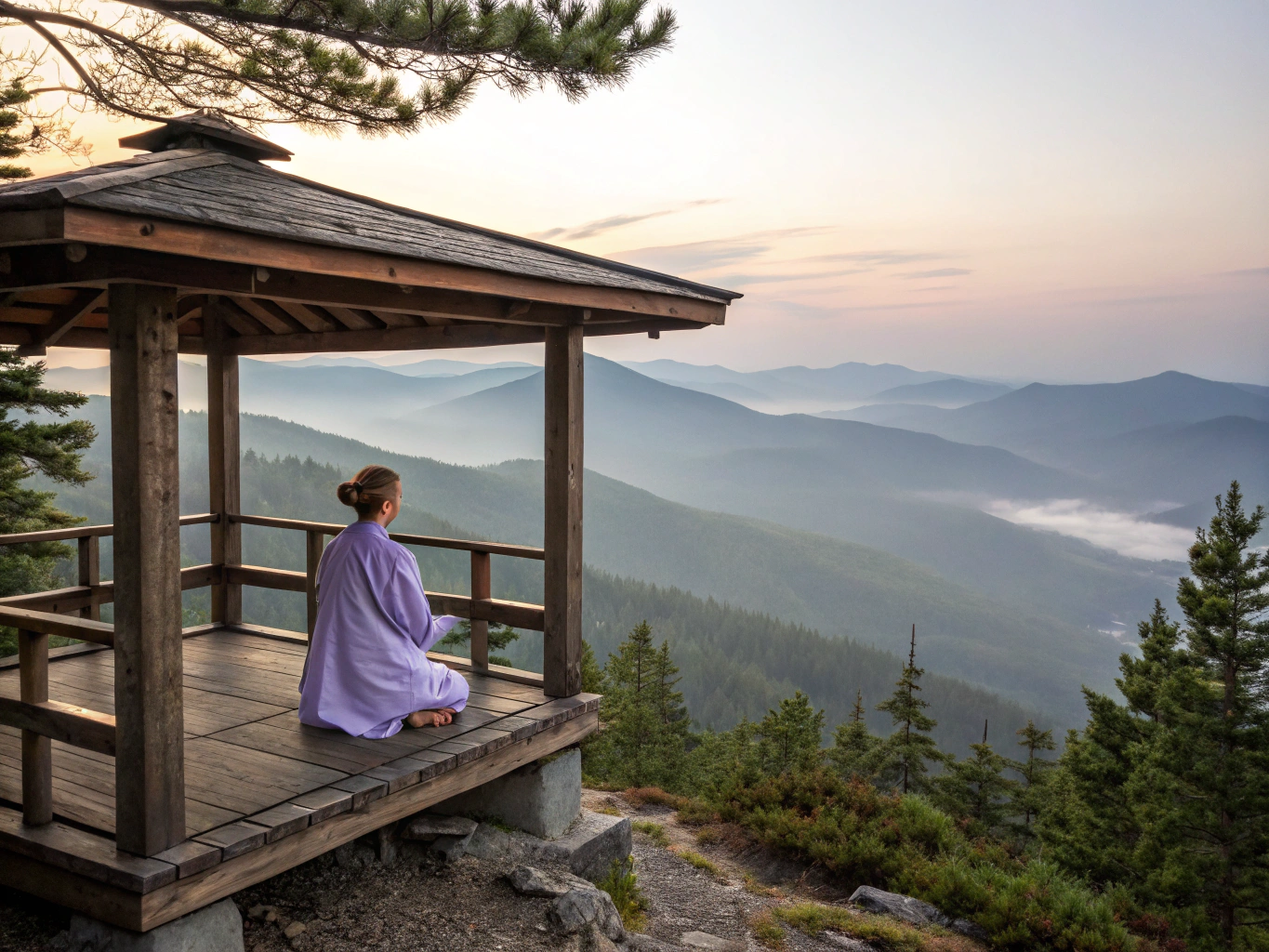
Site where Zhang Daoling founded the Tianshi (Celestial Masters) tradition in 142 CE. Dense cedar forests and mountain caves embody the secluded cultivation ethos of early organized Taoism.
Jianfu Palace and Tianshi Cave preserving Song and Ming-era altars and stele records.
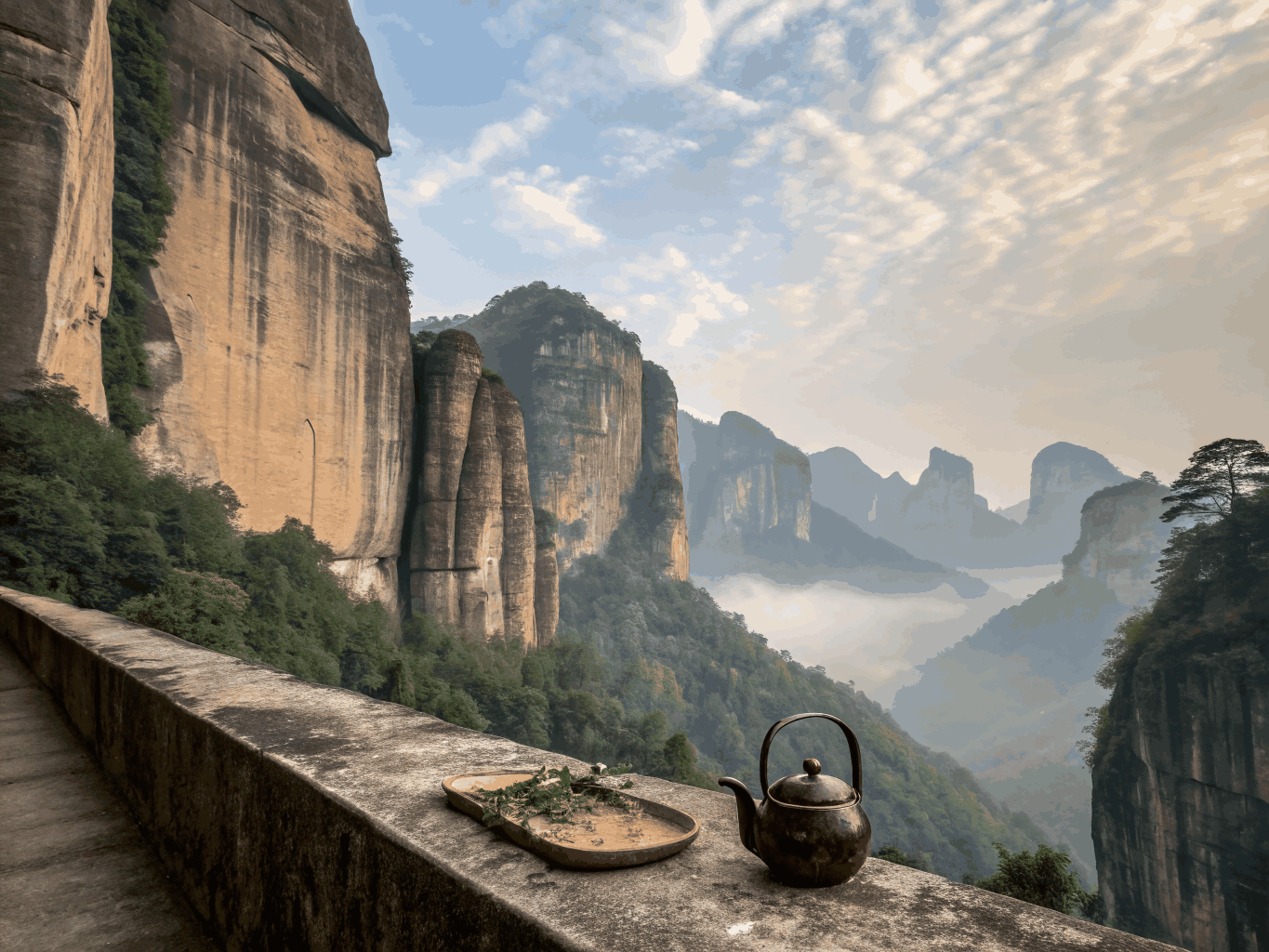
The ancestral hereditary seat of the Zhang Celestial Masters lineage from the Han dynasty until the mid-20th century, remaining the preeminent ritual ordination center for Zhengyi Taoism.
Mansion of the Celestial Master (Tianshifu) housing ancient talismanic archives and ordination altars.
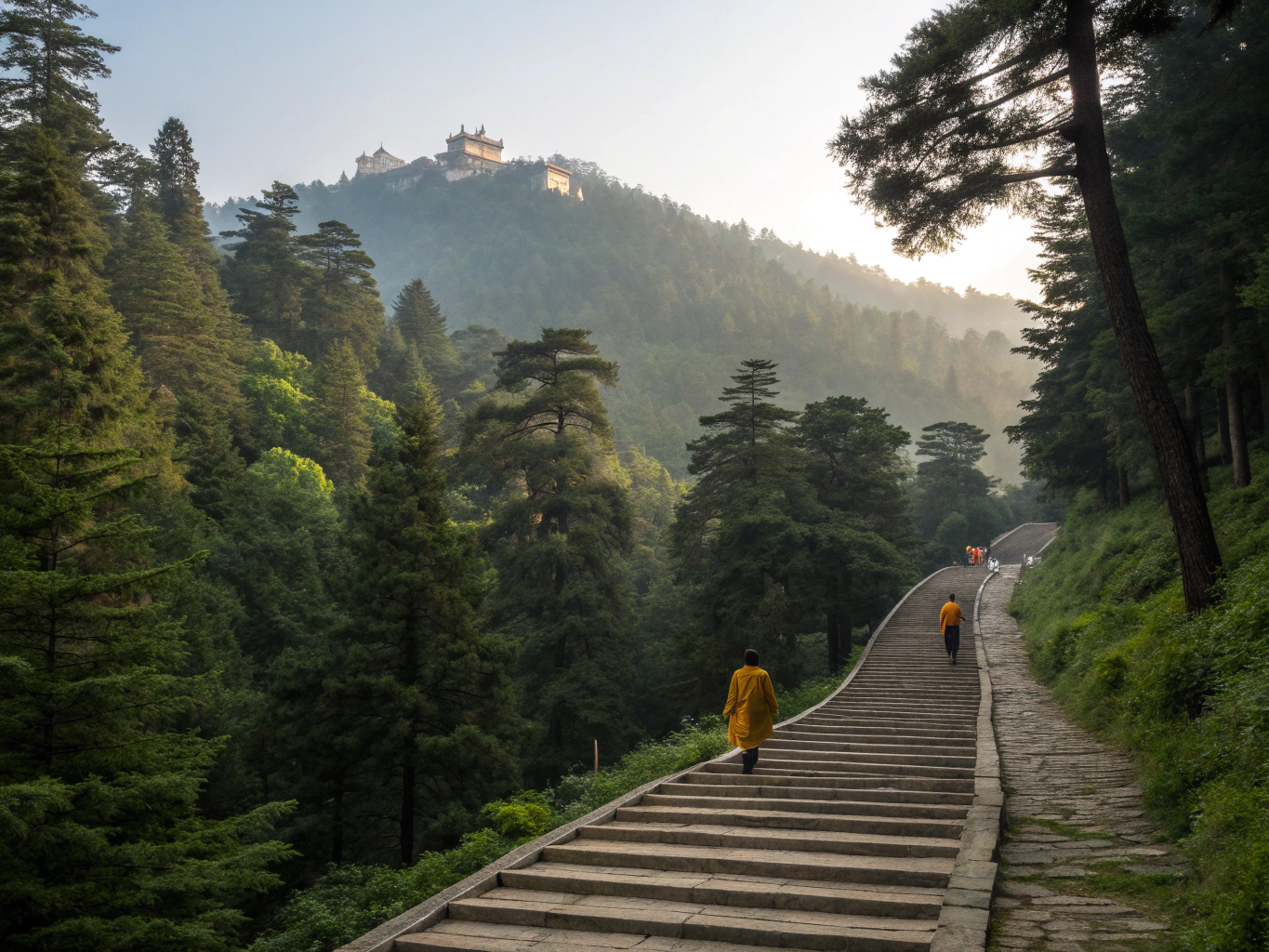
The preeminent sacred peak of imperial China where emperors conducted Feng Shan sacrifices. In Taoist cosmology, the Lord of Mount Tai governs the earthly registers of destiny, longevity, and post-mortem judgment.
Dai Temple (Daimiao) covering 96,000 sq meters, containing Song Dynasty murals of celestial processions.
Related Learning & Comparative Pathways
Continue exploring the Daoist tradition within its wider historical, regional, and comparative context across civilizations, eras, and neighboring philosophical systems.
Related Traditions
Complementary social ethics, ritual propriety, and state cosmology in ancient China.
Centuries of cross-pollination resulting in Chan meditation and shared monastic idioms.
Nature veneration, ritual purification, and shrine geography parallels in East Asia.
Related Civilizations & Eras
The pivotal era of Laozi, Zhuangzi, Hundred Schools of Thought, and early cosmology.
Shang, Zhou, and Han archaeological strata, bronzeware inscriptions, and divination bones.
Tang and Song state patronage, compilation of the Daozang canon, and Quanzhen rise.
Explore Next
Side-by-side textual, theological, and geographic analysis across traditions.
Chronological mapping from 3000 BCE through modern living expressions.
Peer-reviewed epigraphy, manuscript corpora, and archaeological findings.