African Religious Traditions: Cosmologies & Ancestors
Explore diverse, sophisticated regional spiritual systems across Africa, grounded in historical evidence and scholarly research.
54
Regional Studies
100%
Scholarly Based
3000+
Historical Records

Spiritual Systems of the Niger Delta
An examination of historical records and archaeological findings regarding ancestral veneration and sacred geography.
Quick Facts Overview
Distinct Regional TraditionsWest, Central & Southern
Distinct traditions across Yoruba, Igbo, Akan, Kongo, Dogon, and regional nations
Antiquity – Living Era
Over 3,000+ years of ancestral lineage, cosmologies, and contemporary practice
Multi-Disciplinary
Archaeological sites, oral historiography, material epigraphy & sacred geography
Continental & Global
Practiced throughout African regional homelands and widespread Diaspora lineages
West African Cosmologies & Diasporic Continuities
Examine the profound philosophical systems of the Fon, Ewe, and Yoruba traditions—from the sacred python shrines of Ouidah and the mathematical precision of the 256 Ifá Odù, to their enduring resilience in the Americas.
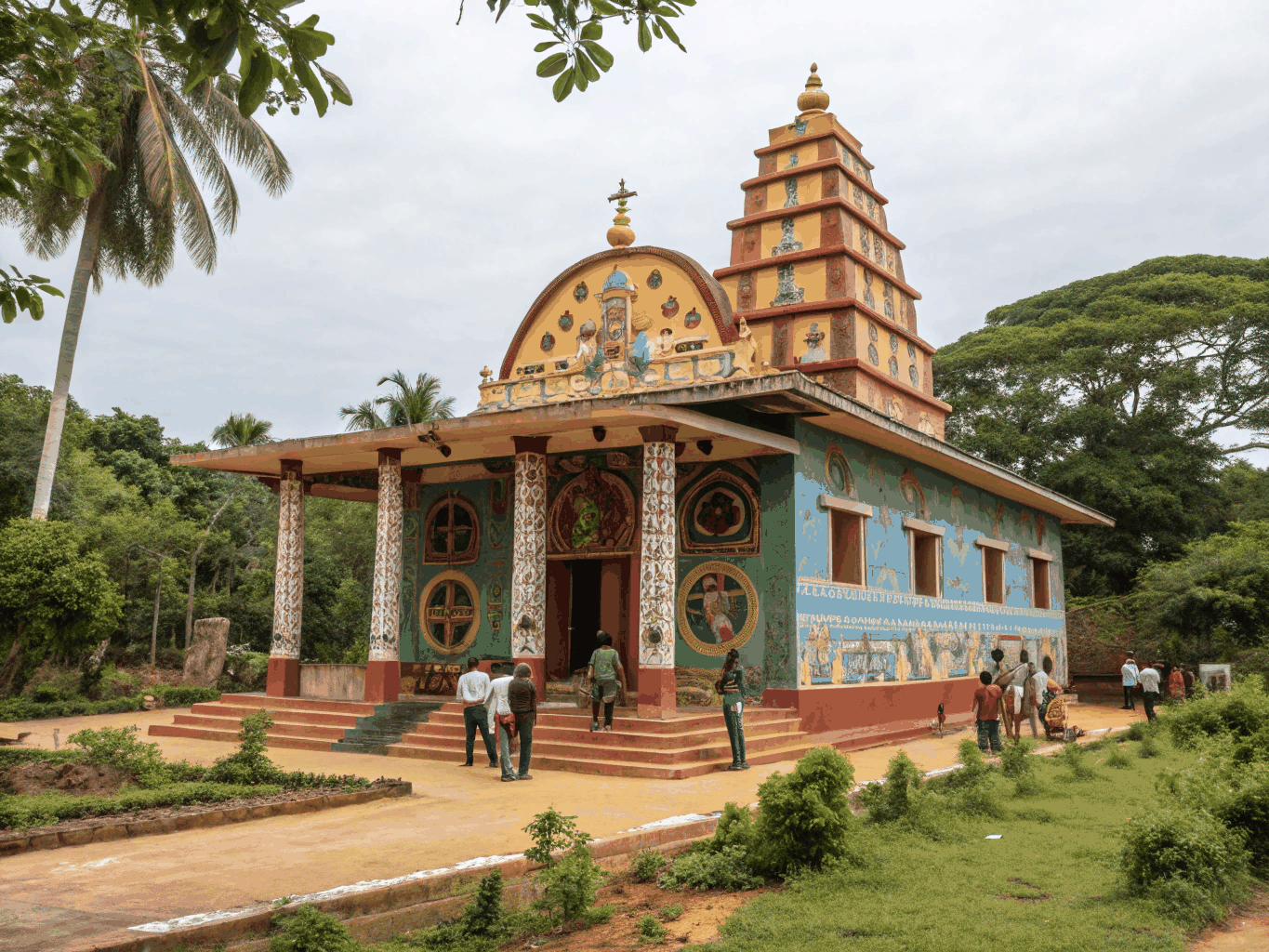
Rooted in the coastal lagoons and forest belt of West Africa, Fon and Ewe Vodun conceptualizes an organized cosmos animated by supreme creator essence Mawu-Lisa (signifying lunar gentleness and solar power). Spiritual emissaries (Vodun) manifest elemental forces, health, iron craftsmanship, and cosmic balance across hereditary family sanctuaries and royal priesthoods.
Historically documented & Sacred Oral tradition
Anthropological & Historical Framework
Scholars emphasize that 19th-century colonial ethnography grossly distorted Vodun. Academic anthropology confirms it as a holistic theological philosophy centering ecological stewardship, family lineage accountability, and herbal medicine.
Theological Mechanics & Sacred Geography
Transatlantic Continuities: From West Africa to the Americas
Trace how foundational West African theological structures directly informed the liturgical languages, music, and philosophical traditions of the African Diaspora.
| West African Root | Theological Source | Diasporic Expression | Preservation Mechanism | Scholarship Status |
|---|---|---|---|---|
| Benin/Togo Vodun | Mawu-Lisa & Vodun Spirits (Dan, Sakpata) | Haitian Vodou (Rada Rite) | Veve cosmograms, drum polyrhythms, herbal baths | Historically documented |
| Yoruba Ìṣẹ̀ṣe | Orisha Pantheon (Ọṣun, Ṣàngó, Ògún) | Cuban Lucumí / Brazilian Candomblé | Cabildos de Nación, Terreiro temples, Lucumí liturgy | Linguistic & ritual proof |
| Ifá Epistemology | 256 Odù divination & Babalawo priesthood | Regla de Ifá (Cuba, USA, Venezuela) | Complete retention of 256 Odù verses translated to Spanish/English | UNESCO Recognized |
| Ewe/Fon Herbal Lore | Botanical spiritual medicines & root amulets | North American Hoodoo / Rootwork | Gullah Geechee oral practice, specialized herbal lore | Botanical provenance |
Explore Comparative Artifacts & Historical Timeline
Cross-reference archaeological findings from Ilé-Ifẹ̀, ancient bronze castings, and the global spread of indigenous worldviews in our historical database.
Cosmologies of Balance, Spirit & Time
Examine ancient African cosmological systems through historical, archaeological, and metaphysical frameworks—from cyclical solar cosmograms to 20,000-year shamanic rock sanctuaries.
African Sacred Systems: Side-by-Side Matrix
Cross-referenced by Creator concepts, cosmic intermediaries, geography, and archaeological anchors.
| Tradition & People | Supreme Creator | Spiritual Intermediaries | Sacred Geographies | Primary Evidence |
|---|---|---|---|---|
Kongo Cosmology & Dikenga Bakongo Peoples (Kingdom of Kongo) Central Africa (DR Congo, Angola, Republic of Congo) | Nzambi Mpungu (Supreme Uncreated God, omnipotent and transcendent) | Bakulu (Ancestral Spirits), Simbi (Water/Nature Entities), Nkisi vessels | Kalunga (The Great Cosmic Ocean separating physical and spiritual planes) Ritual: Four Moments of the Sun cycle navigation, Minkisi consecration by Nganga priests | Linguistic Mbanza Kongo royal capital excavations & M'pumbu rock art depictions |
Dogon Metaphysical & Celestial System Dogon Nation West Africa (Bandiagara Escarpment, Mali) | Amma (Egg of the Universe and supreme cosmic architect) | Nommo (Primordial amphibious spiritual twins & civilizing spirits) | Bandiagara Cliff Escarpment and Toguna communal meeting sanctuaries Ritual: Sigui ceremony held every 60 years, Dama funerary masquerades | Ethnographic fieldwork (Griaule Tellem cliff dwellings and Dogon wooden granary facade carvings |
San / Khoisan Shamanic Trance Cosmology San / !Kung / Khoisan Peoples Southern Africa (Kalahari Basin, Namibia, Botswana, South Africa) | /Kaggen (The Trickster Creator Mantis) & //Gauwa | !Kxao (Spiritual Healers/Shamans) entering !Kia altered states | Tsodilo Hills ('Mountains of the Gods'), Brandberg, Apollo 11 Cave Ritual: All-night healing trance dance (Giraffe/Eland dance) activating n/om energy | Radiocarbon-dated rock art Apollo 11 Cave painted slabs (Namibia) & Tsodilo Hills rock paintings |
Ancient Kushite & Nubian Sacred Traditions Kingdom of Kerma, Napata & Meroë (Kush) Nile Valley & Eastern Sahara (Sudan / Upper Egypt) | Amun of Napata syncretized with indigenous supreme Nile deities | Apedemak (Indigenous multi-armed Lion-god of war and fertility), Kandakes (Warrior Queens) | Jebel Barkal ('Pure Mountain'), Naqa Temple Complex, Meroë Royal Pyramids Ritual: Royal coronation processions, Meroitic temple offerings, sacred serpent invocations | Meroitic scripts Lion Temple of Naqa & Jebel Barkal Amun-Ra sanctuary ruins |
Oromo Waaqeffanna Oromo Nation Horn of Africa (Ethiopia, Northern Kenya) | Waaqa / Waaqayyo (The One Supreme Creator God of Peace and Cosmic Order) | Ayyaana (Divine spiritual manifestations / guardian manifestations), Qaalluu priests | Oda (Sacred Sycamore trees), Lake Hora Arsadi, Haroo Walaabuu Ritual: Irreecha thanksgiving festival, Gadaa system moral governance and blessings | Living Gadaa democratic institutions Ancient megalithic stelae of Tiya & Gadaa sacred ritual sites |
Explore the Origins & Comparative Religion Database
Discover how ancient African, Nilotic, Saharan, and Near Eastern spiritual frameworks shaped universal concepts of creation, ethics, and the afterlife across history.
Material Remains, Stelae & Historiography
Examine the empirical physical records of ancient religious and spiritual systems: stratified archaeological remains, epigraphic monuments, living oral mnemonic frameworks, and peer-reviewed academic volumes.
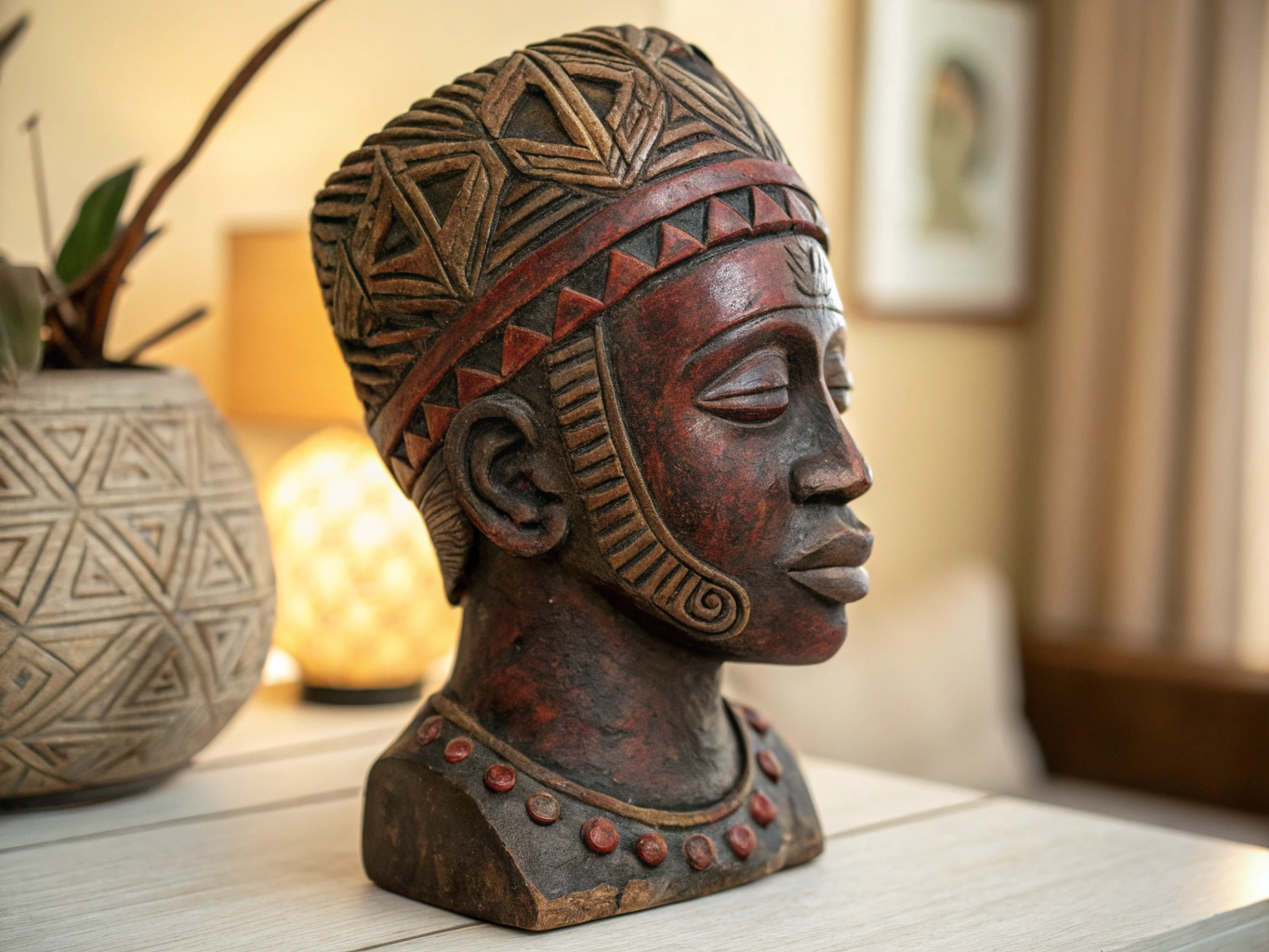
Naturalistic cast copper alloy and fired terracotta sculptures revealing sophisticated lost-wax metallurgy, sacred kingship iconography, and ritual facial striations.
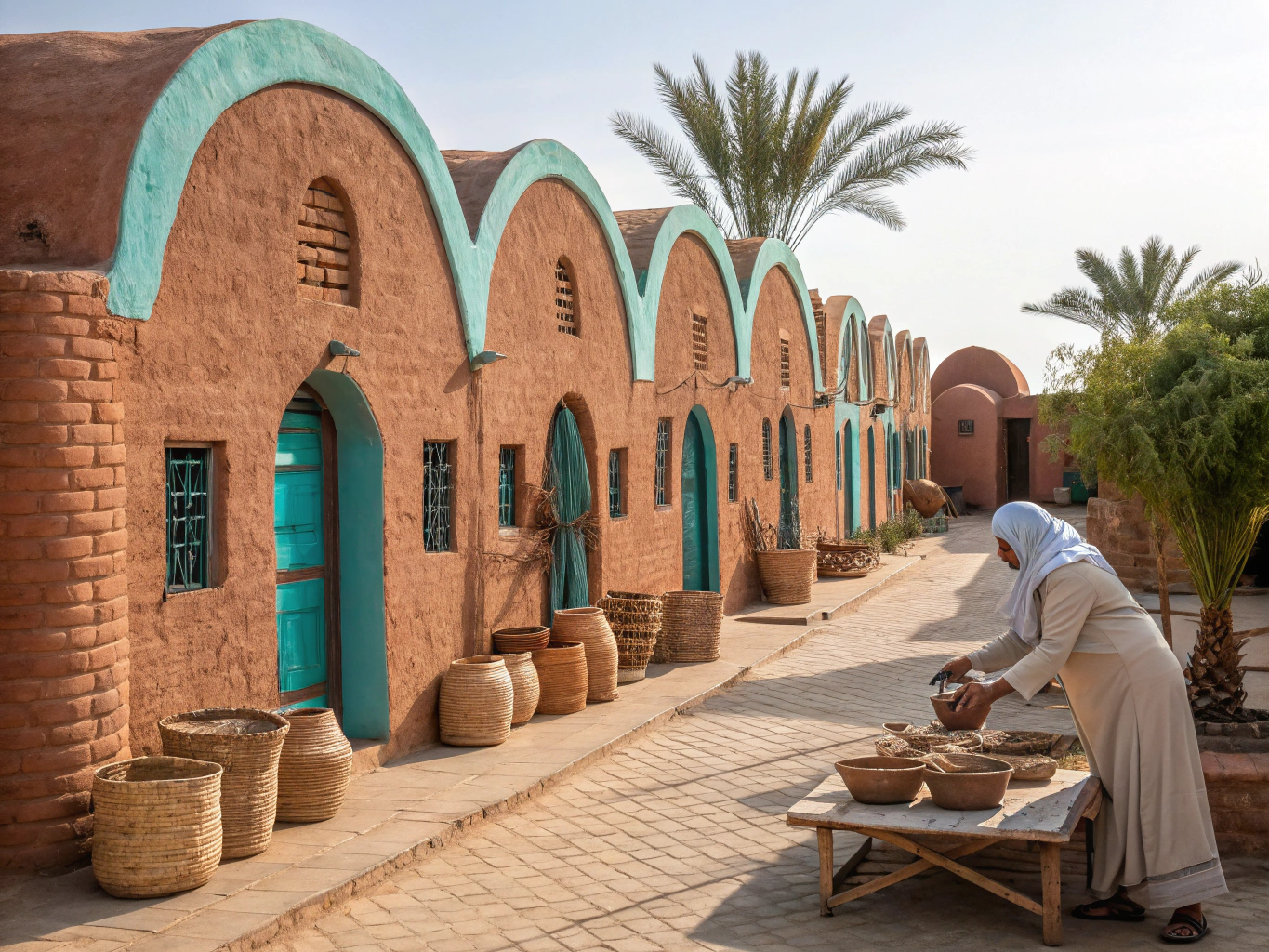
Massive earthen burial tumuli reaching 90 meters in diameter paired with monumental mudbrick sacred shrines (Deffufa) indicating early complex state religion.
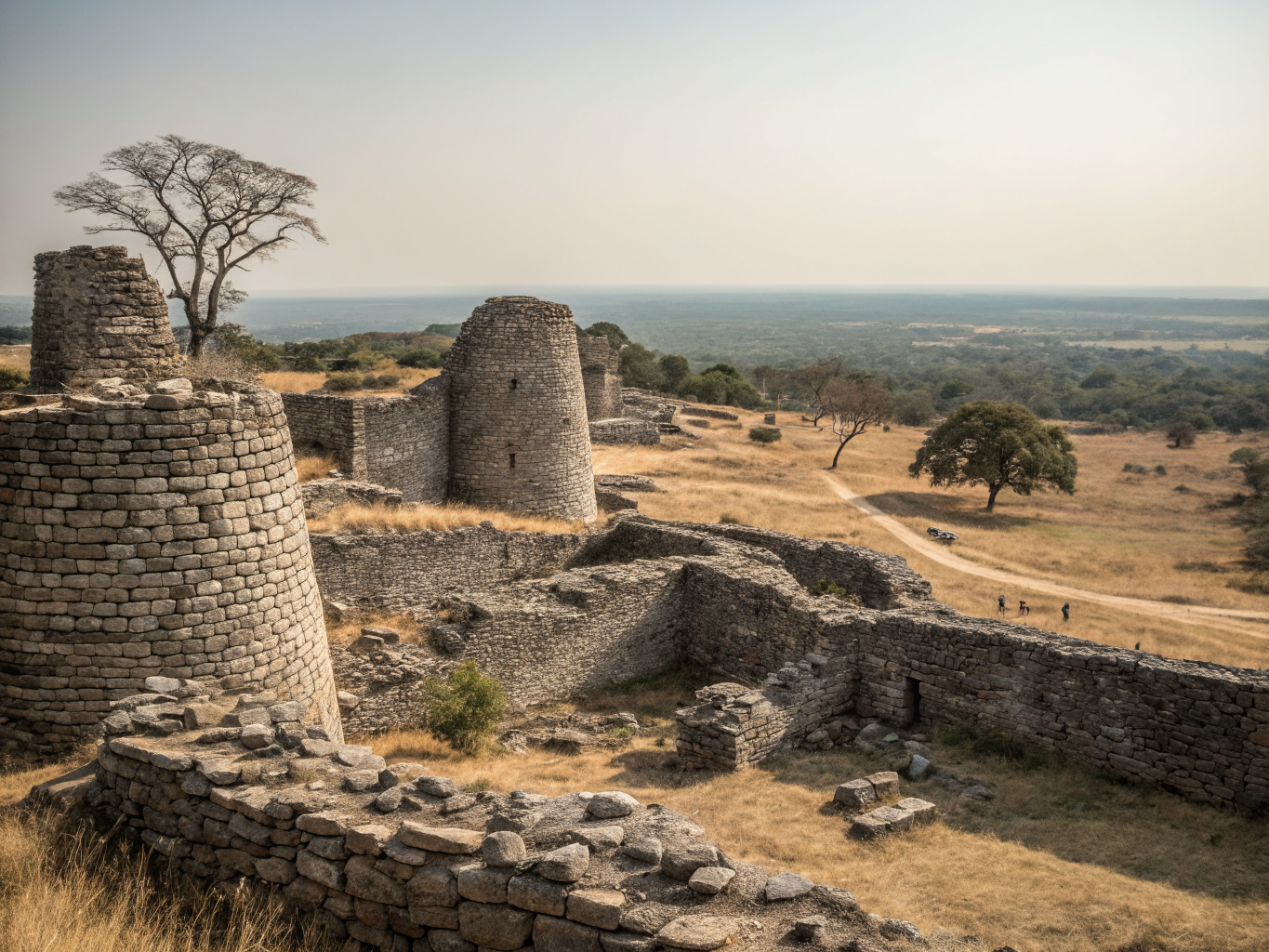
Dressed granite dry-stone masonry with no mortar, featuring the Great Enclosure, Conical Tower, and carved soapstone avian sculptures symbolizing ancestral authority.
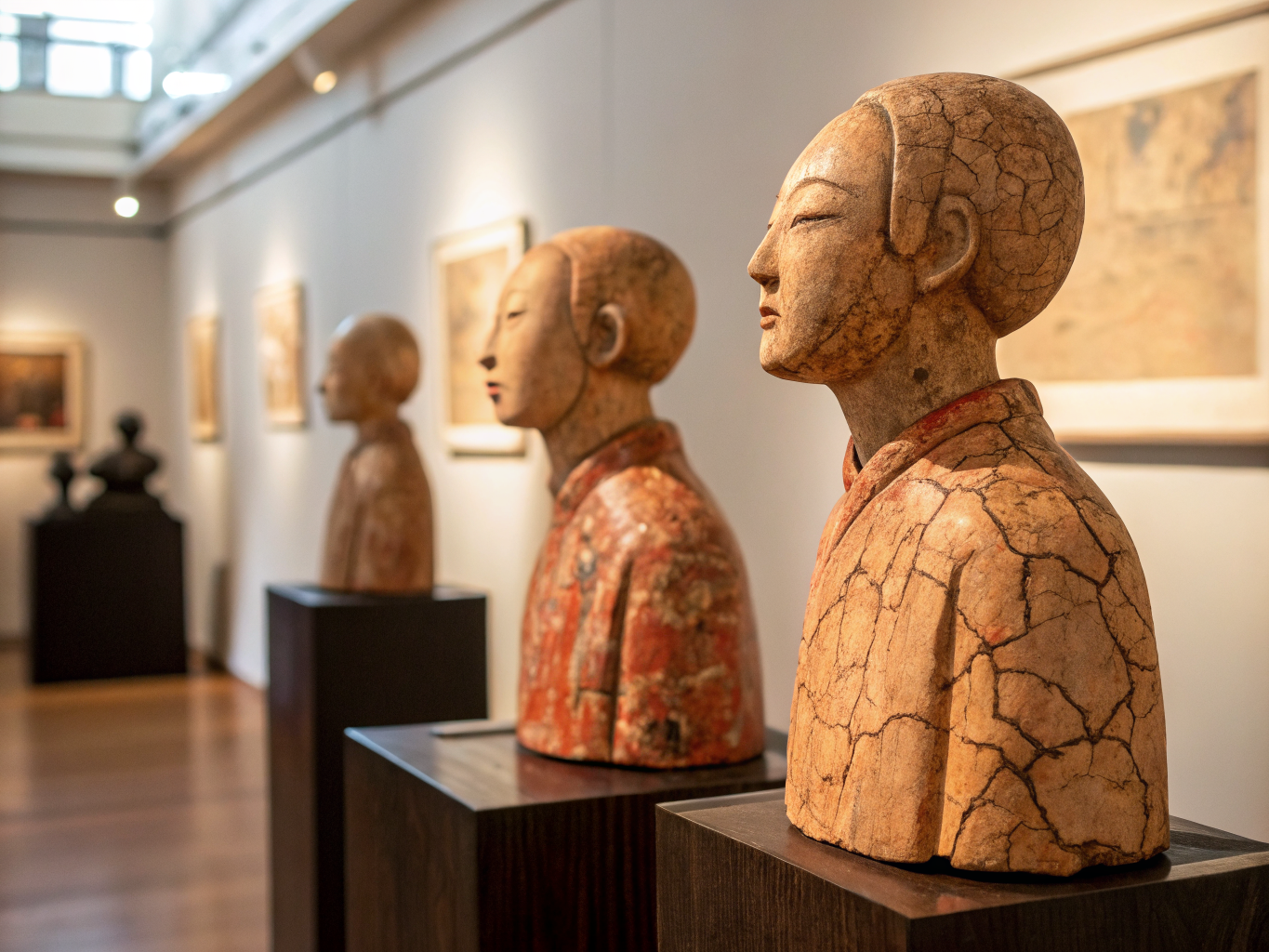
Earliest known sub-Saharan sculptural traditions featuring hollow-built terracotta figures with triangular perforated eyes, elaborate coiffures, and iron-smelting contexts.
Distinction of Historical Evidence vs. Religious Tradition
In adherence to Root to Root research standards, archaeological stratified records and epigraphic finds are cataloged distinctly from theological tradition. Cross-referencing follows Oxford, Cambridge, and UNESCO methodologies.
Related Learning & Research Corridors
Continue exploring comparative traditions, chronological epochs, archaeological matrices, and source methodologies connected to African Traditions.