The Bronze Age & Urban Genesis
The transition from stone lithics to alloyed copper and tin sparked humanity's first urban revolutions, institutional writing systems, complex theocracies, and long-distance maritime exchange.
Five primary river basins and maritime cradles of urban development.
Early urbanization through to the Late Bronze Age collapse.
Divine monarchs, warlords (Wanax), and theocratic temple rulers.
Administrative ledgers, royal annals, and pyromantic divination (Indus script & Linear A undeciphered).
Excavated archaeological sites and artifacts preserved in global repositories.
Prehistoric & Neolithic Sanctuaries
Göbekli Tepe, Çatalhöyük, pastoral animism, and megalithic astronomical alignments (c. 10,000 – 3500 BCE).
Bronze Age Urbanization
Hydraulic city-states, cuneiform, hierarchical pantheons, lost-wax metallurgy, and international trade routes.
Iron Age & Axial Shift
Bronze Collapse (c. 1200 BCE), emergence of monotheism, Upanishadic philosophy, and Greek rationalism.
Primary Geographic Cradles
5 Key CentersUruk, Ur, Lagash, Babylon
Fortified civic cores containing central granaries, temple sanctuaries, and residential wards.
Cuneiform script on clay tablets
Evolved from ledger tallies and bullae into royal annals, religious hymns, and cosmic myths.
Theocratic Kingship & Ensi Temple-States
Institutional authority verified by seals, tribute registers, and architectural monumentalism.
Arsenical & Tin Bronze cast weaponry and seals
High-temperature kilns, tin-trade diplomacy, and casting technology dictating military supremacy.
Uruk IV Archaic Administrative Tablets & Warka Vase
c. 3200 – 3000 BCEWhat Was Happening Elsewhere?
Comparative synchronization of contemporaneous developments across major cultural centers during the middle and late Bronze Age.
Old & New Kingdom Egypt
Centralized bureaucracy engineered monumental stone pyramids and royal cult centers along the fertile Nile floodplain.
Mesopotamian City-States
Sumerian, Akkadian, and Babylonian city networks organized extensive irrigation, legal edicts, and the cuneiform literary tradition.
Indus Valley (Harappan)
Hydraulic engineering, orthogonal grid planning, and extensive trade with Oman and Mesopotamia with no evident royal palaces.
Shang Dynasty China
Complex bronze alloy piece-mold casting reserved for royal sacrificial rituals and divination via heated scapulae and turtle plastrons.
Minoan & Mycenaean Mediterranean
Maritime trade routes connected Aegean maritime hubs with Levantine ports, giving rise to palace administration and Linear script.
Academic Sources & Primary Excavation Literature
Civilizations, Daily Life & Monumental Sacred Architecture
Investigate how urban development, agricultural surpluses, international trade corridors, and early science shaped humanity's earliest documented spiritual systems.
Monumental Sacred Engineering
Comparing structural intent, physical sites, and empirical citations across three independent river valley systems.
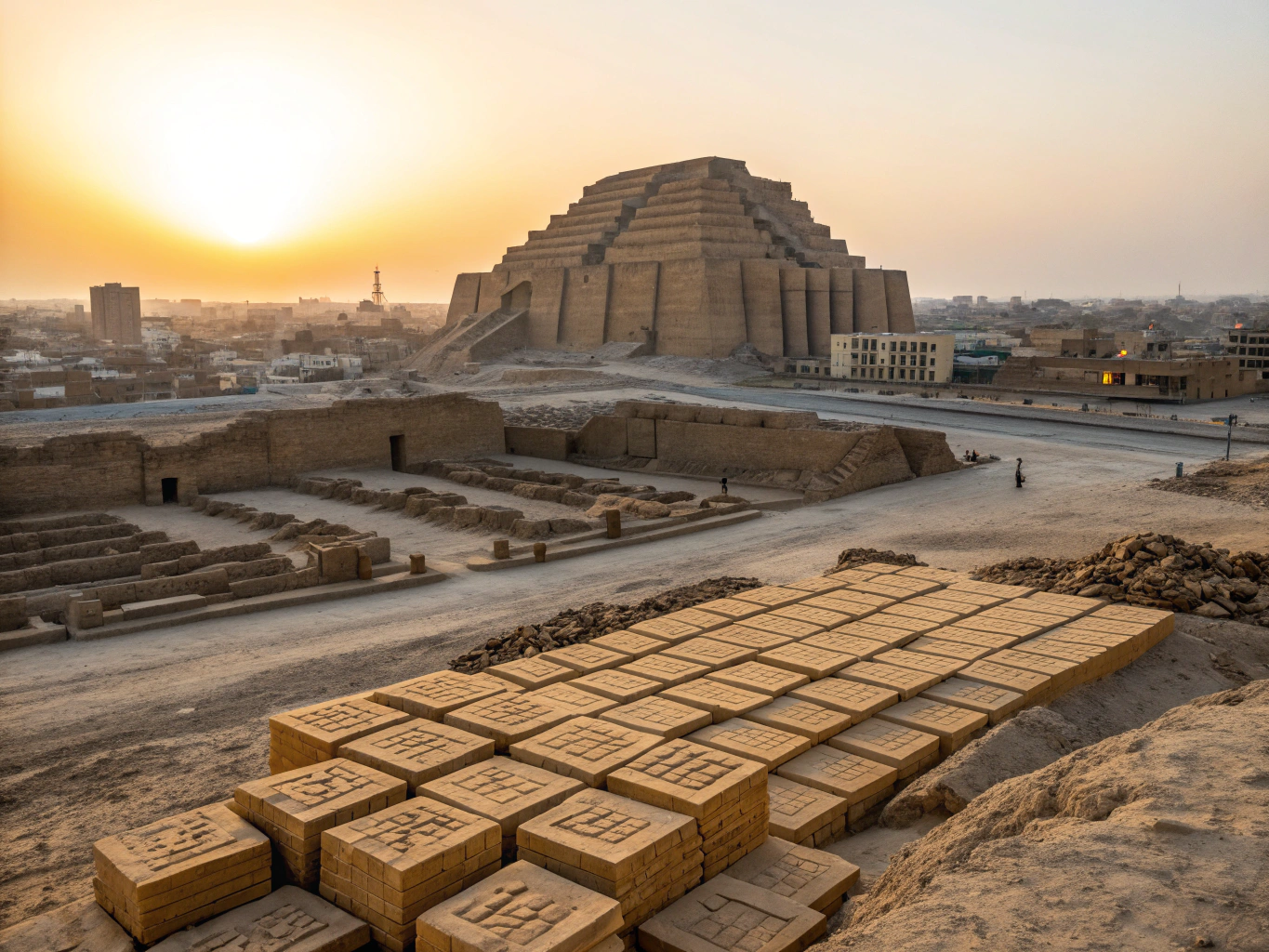
Administrative and sacred complex dedicated to the moon god Nanna.
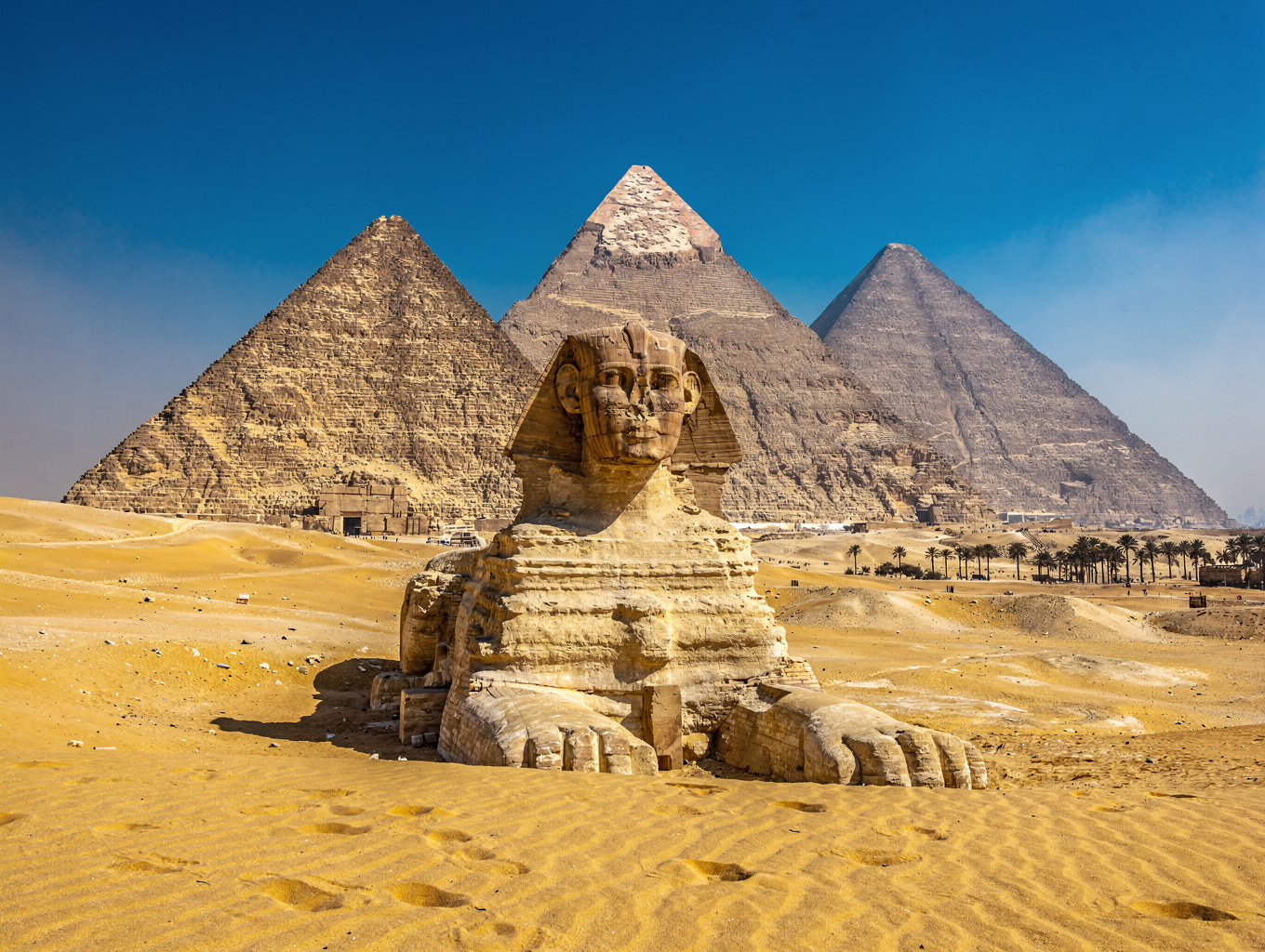
Royal funerary complex embodying solar theology and pharaonic resurrection.
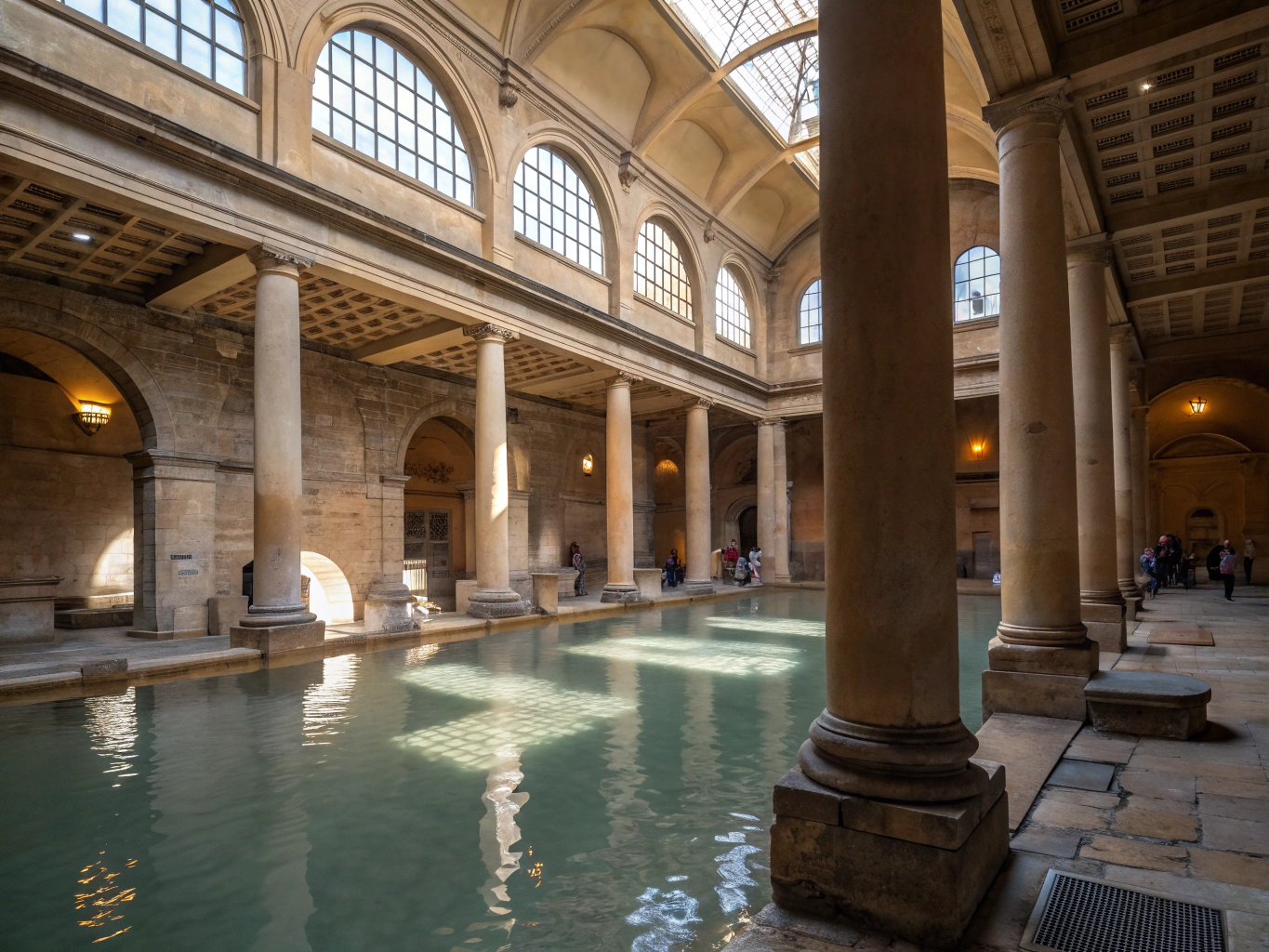
Scholars theorize ritual purification or municipal communal cleansing.
Primary Evidence & Daily Systems
Select a category to examine inscriptions, trade networks, and early observational sciences with formal epistemic tags.
Enuma Elish
Archaeological EvidenceOrigin: Babylonian / Mesopotamian
The epic of cosmic creation reciting Marduk's triumph over Tiamat and the structuring of the cosmos.
Pyramid Texts
Historically DocumentedOrigin: Ancient Egypt (Saqqara)
The oldest known religious funerary texts in the world, carved directly onto chamber walls.
Epic of Gilgamesh
Archaeological EvidenceOrigin: Sumerian / Babylonian
Reflects existential mortality, divine will, friendship, and the mythic flood narrative.
Key Artifacts & Epistemic Standards
Roots of Religion clearly differentiates between physical archaeological evidence, surviving primary inscriptions, and modern scholarly interpretations.
Standard of Ur
Dual mosaic panels illustrating the 'Peace' and 'War' facets of early Mesopotamian statehood and temple provisioning.
Narmer Palette
Depicts King Narmer uniting Upper and Lower Egypt under divine patronage of Horus and Hathor.
Pashupati Seal
Depicts a seated horned figure surrounded by animals; debated as proto-Shiva yogic archetype.
Rosetta Precursor Stelae
Multilingual decrees establishing administrative cults and enabling modern decipherment.