Roman Religio & The Civic Cult
An investigation into the legalistic ritual framework of ancient Rome, distinguishing early Latin and Etruscan roots from Greek literary adoption, anchored by the foundational doctrine of the Pax Deorum.
Rome, Latium (Italian Peninsula)
Spread across the Mediterranean Basin under the Roman Empire
c. 8th Century BCE – 4th Century CE
From Archaic Roman Kingdom to Imperial Christianization
Augustus, Cicero, Numa Pompilius
Pontifex Maximus & Vestales Maximae colleges
Fasti, Sibylline Books, Lex Sacra
Pontifical archives, ritual formularies & epigraphic calendars
Extinct as State Religion
Preserved in archaeological monuments, museum epigraphy & Latin literature
The governing principle of Roman public religion: an ongoing contractual harmony between the Commonwealth and the divine realm, maintained solely through rigorous ritual orthopraxy.
Unlike traditions founded on internal creed, Roman religio prioritized precise wording, exact sacrificial steps, and scrupulous adherence to Mos Maiorum (ancestral custom).
Early Roman rites integrated Etruscan hepatoscopy (liver reading) and Latin agrarian domestic spirits (Lares and Penates) long before the literary adaptation of the Greek pantheon.
Institutional Architecture & Analysis
Explore priestly colleges, comparative mythos, and primary archaeological sources with verified evidence tags.
Collegium Pontificum
Preservation of Sacred Law & CalendarRegulated the sacred calendar (Fasti), supervised sacrifices, and maintained the archive of ancestral custom (Mos Maiorum).
Significance: The only surviving pre-Julian painted wall calendar demonstrating pontifical intercalation and religious law oversight.
Collegium Augurum
Divination & Auspices (Pax Deorum)Read divine will (auspicia) via bird flights and celestial signs before any military action, election, or assembly.
Significance: Curved augural staffs (*litui*) recovered from votive deposits confirm the ritual instruments described in Cicero's treatises.
Virgines Vestales (Vestals)
State Hearth & Cosmic ContinuityMaintained the eternal sacred flame of Vesta, prepared the ritual mola salsa, and safeguarded state wills and sacred talismans.
Significance: Archaeological recovery of the complex with epigraphic dedications honoring Chief Vestals (*Vestales Maximae*) spanning five centuries.
Quindecimviri Sacris Faciundis
Custodians of the Sibylline BooksConsulted the Greek oracle books during state crises and supervised the integration of approved foreign rites (sacra peregrina).
Significance: Official senate epigraphy recording Quindecimviri hymn recitations and ritual supervision of Apollo and Diana cults.
Academic Bibliography & Primary Inscriptional Corpora
Peer-reviewed historical syntheses, epigraphic catalogs, and classical text editions
Comprehensive institutional analysis of Republican and Imperial ritual systems.
Detailed breakdown of civic orthopraxy, contractual sacrifice (*do ut des*), and priestly colleges.
Epigraphic recovery and chronological reconstruction of Roman religious calendars and college personnel.
Definitive archaeological corpus of Latin inscriptions, lex sacra, fasti, and temple dedications.
Continue Exploring the Ancient World
Compare Roman civic traditions directly with ancient Greek religion, Egyptian temples, or Mesopotamian cults in our research database.
Ancient Roman Religion
From civic ritual contracts (Pax Deorum) and intimate domestic hearths to mystery cults and imperial deification, examine the historical development of Rome's sacred landscape through archaeological remains and classical texts.
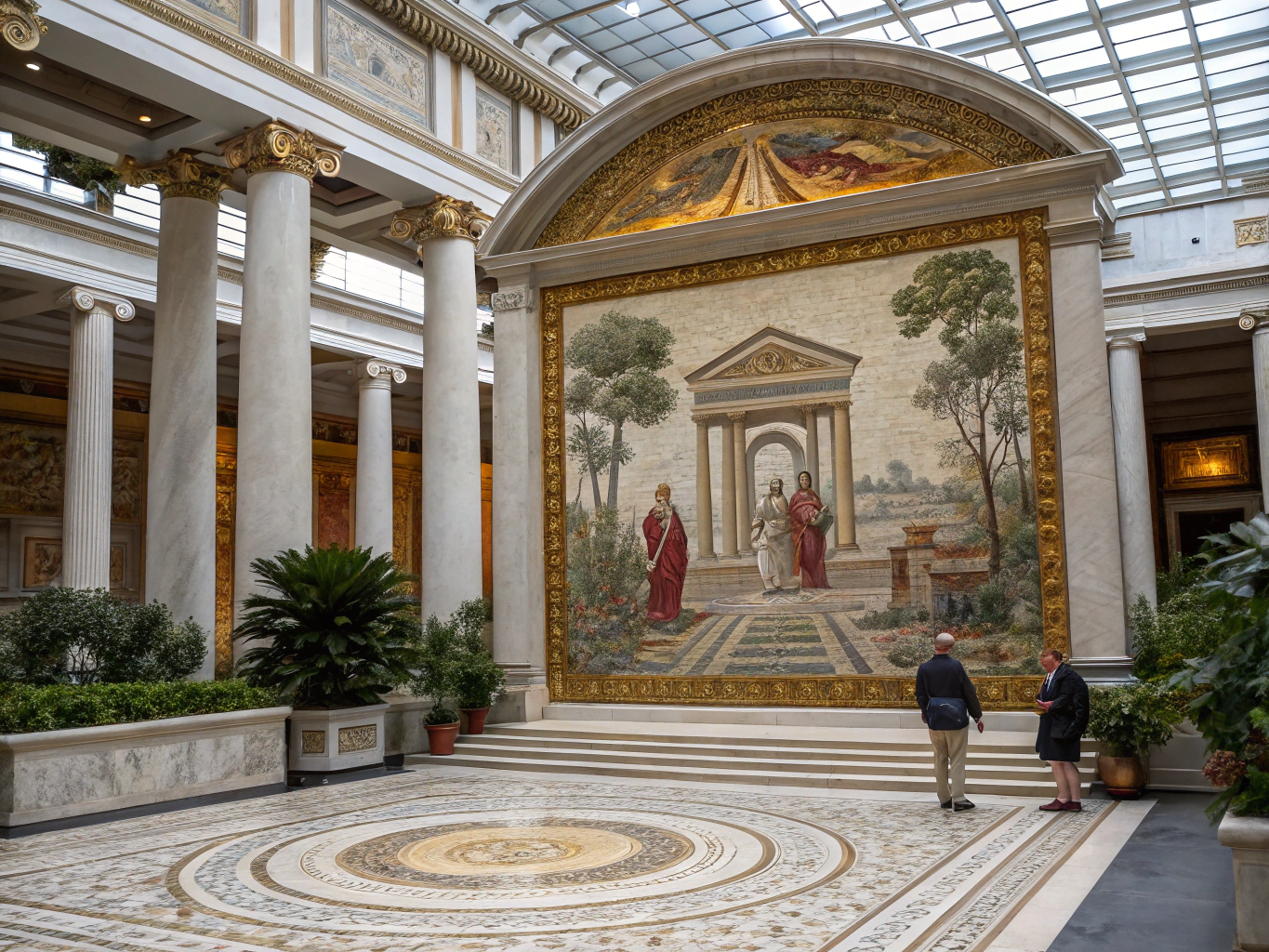
Roman state religion was fundamentally contractual: do ut des ("I give so that you might give"). Preserving the Pax Deorum (peace with the gods) guaranteed military victory and civic stability.
Primary Priesthood: Pontifices, Flamen Dialis, Augures
Triad Origin: Etruscan architectural synthesis (Tinia, Uni, Menrva) replacing the Archaic Triad (Jupiter, Mars, Quirinus).
Source: Livy, Ab Urbe Condita (1.38, 1.55-56) & Varro, De Lingua Latina (V.74)
Date & Location: Late 1st c. BCE texts documenting 6th c. BCE foundation on Capitoline Hill, Rome
Significance: Establishes the constitutional nexus between pontifical oversight, augural approval, and senatorial ratifications.
Scholarly Distinction
Scholarly InterpretationUnlike Greek myth-focused theology, Roman public religion focused strictly on correct orthopraxy (exact ritual words and physical motions) rather than uniform dogma or belief.
Iuppiter Optimus Maximus
Supreme protector of the Roman state, sky, thunder, and divine law.
Artifact / Text: Capitoline Podium Ashlar Blocks (Excavations beneath Palazzo Caffarelli & Musei Capitolini)
Date & Site: c. 6th Century BCE (Late Tarquinian Archaic Foundation) (Mons Capitolinus, Rome, Italy)
Significance: Confirms archaeological veracity of monumental 53 x 62m tufa podium substructure matching classical accounts in Livy (Ab Urbe Condita 1.55) and Dionysius of Halicarnassus.
Iuno Regina
Protector of the community, women, sovereign counselor, and civic matronage.
Artifact / Text: Livy, Ab Urbe Condita (Book V.21-22) & Epigraphic Inscriptions CIL VI 362
Date & Site: 396 BCE (Ritual of Evocatio) / Inscriptions 1st c. BCE – 2nd c. CE (Veii (Etruria) / Aventine Hill & Capitoline Hill, Rome)
Significance: Formally documents the historical ritual transfer (Evocatio) of Veii's patron goddess to Rome following Camillus's siege, attesting state absorption of conquered deities.
Minerva Medica / Tritonia
Patroness of wisdom, strategic warfare, guild artisans, medicine, and crafts.
Artifact / Text: Minerva Medica Esquiline Anatomical Votive Stipe & CIL VI 258 Collegia Inscriptions
Date & Site: c. 3rd – 1st Century BCE (Esquiline & Aventine Hills, Rome)
Significance: Hundreds of terra-cotta anatomical ex-votos and epigraphic collegiate rosters prove state recognition of trade guilds (collegia) and healing cults under Minerva's aegis.
Massive ashlar tufa podium blocks (measuring roughly 53 x 62 meters) excavated below the Capitoline museums confirm the gigantic scale of the 6th-century BCE Archaic foundation recorded by Livy and Dionysius of Halicarnassus.
Source / Site: Capitoline Hill Tufa Foundations (Palazzo Caffarelli excavations, 1919–2000s).
Chronology: Dedication recorded under consul M. Horatius Pulvillus in 509 BCE.
Academic Value: Concrete physical verification of the Etrusco-Italic tri-partite cella format described in Vitruvius (De Architectura 4.7).
Beard, Mary, John North, and Simon Price (1998). Religions of Rome (Volume 1: A History & Volume 2: A Sourcebook).
Cambridge University Press
Scope: Comprehensive historiographical synthesis of Republican civic cults, imperial transformation, and epigraphic records.
Scheid, John (2003). An Introduction to Roman Religion.
Indiana University Press (translated by Janet Lloyd)
Scope: Critical analysis of Roman orthopraxy, contractual sacrifice (do ut des), and pontifical sacred law.
Rüpke, Jörg (ed.) (2007). A Companion to Roman Religion.
Wiley-Blackwell
Scope: Scholarly compendium on domestic lararia, divination, imperial ruler cults, and religious archaeology.
Turcan, Robert (1996). The Cults of the Roman Empire.
Blackwell Publishers
Scope: Specialized study of mystery cults including Isis, Magna Mater, Mithraism, and Syrian solar traditions.
Feeney, Denis (1998). Literature and Religion at Rome: Cultures, Contexts, and Beliefs.
Cambridge University Press
Scope: Interdisciplinary study of belief systems, literary representation in Cicero/Livy/Ovid, and civic ritual boundaries.
Evolution of Roman Faith
Explore the historical development of Roman religious traditions, from the early regal cults to the eventual Christianization of the Empire.
Roman Kingdom
The foundational era of Rome, characterized by monarchical rule, the establishment of the Senate, and early religious cults.
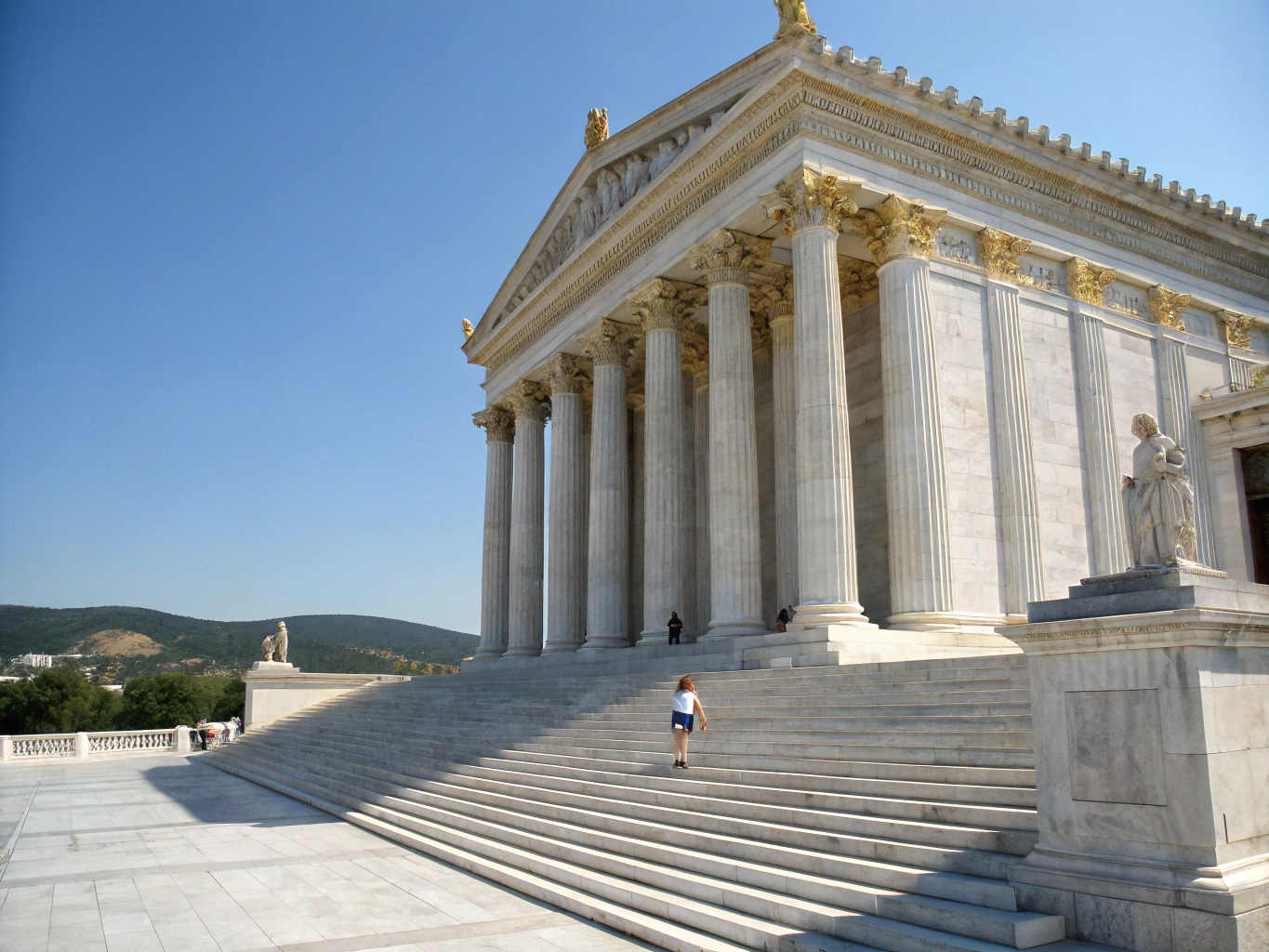
Romulus, Numa Pompilius, Tarquinius Superbus
Formation of the Roman pantheon and the establishment of the Vestal Virgins and Pontifex Maximus.
Roman Republic
The rise of the Senate and People of Rome, expansion across the Mediterranean, and the development of civic religious law.
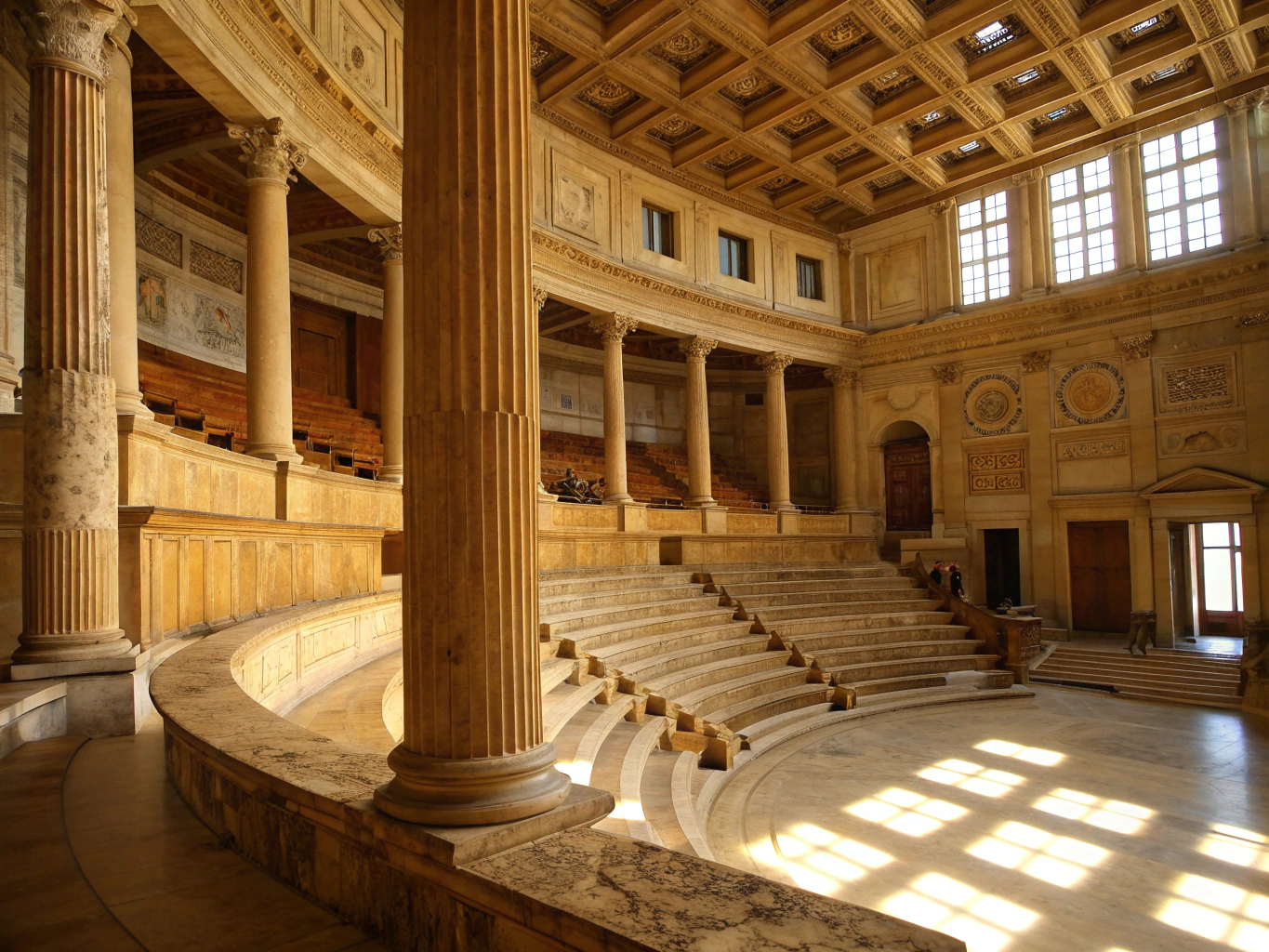
Consuls, Senate, Dictators
Codification of the Twelve Tables and the integration of Greek religious influences into Roman practice.
The Principate
The establishment of the Imperial cult, the Pax Romana, and the spread of mystery religions across the empire.
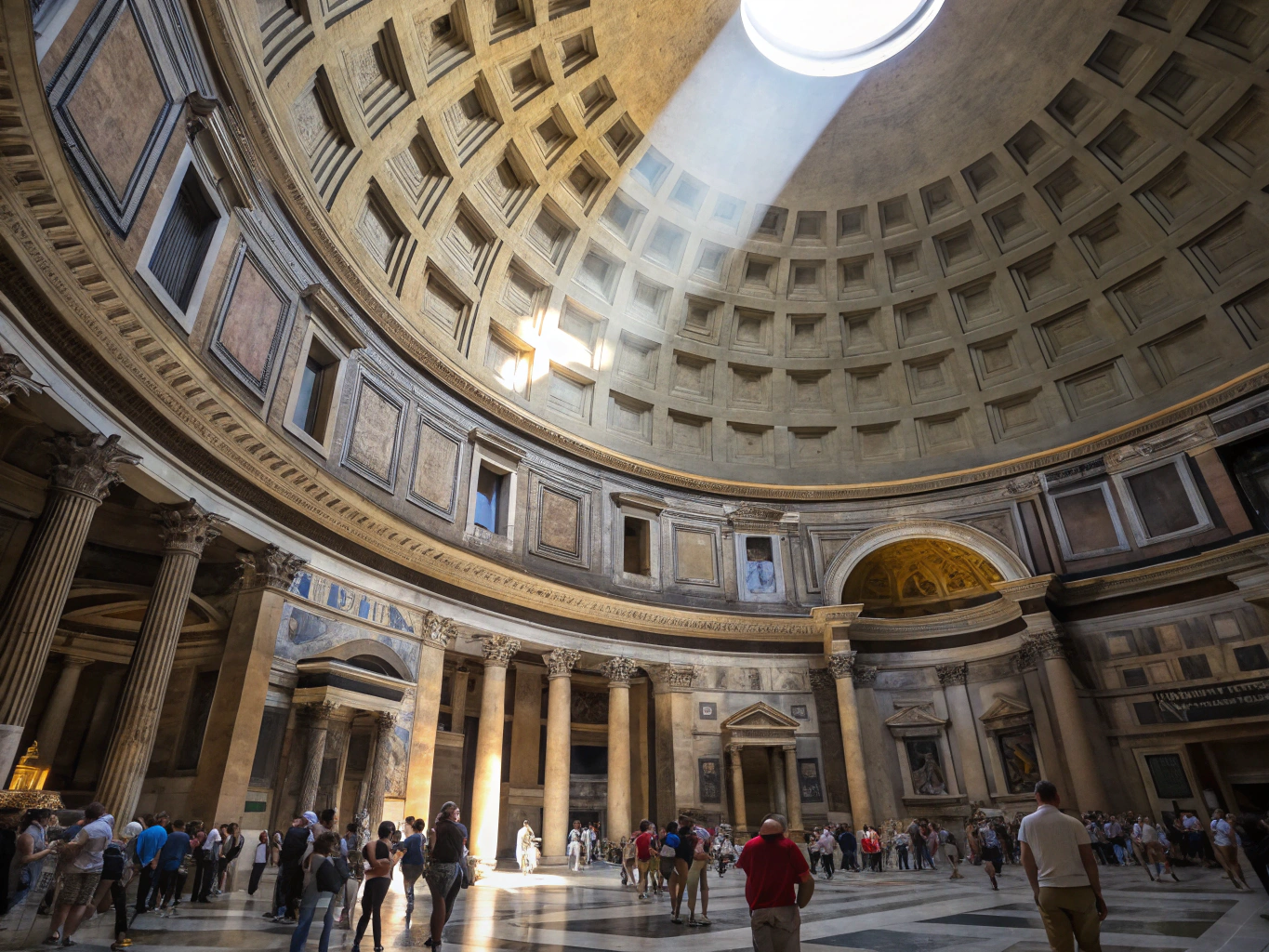
Augustus, Trajan, Marcus Aurelius, Septimius Severus
The rise of the Imperial cult and the initial growth of early Christian communities.
The Dominate
The transition to absolute imperial authority and the official Christianization of the Roman state.
Diocletian, Constantine the Great, Theodosius I
The Edict of Milan and the establishment of Christianity as the state religion of the Roman Empire.
Scholarly Sources & Primary Compilations
Referenced peer-reviewed historiographical volumes and epigraphic corpora grounding this chronological stratum.
Religions of Rome: Volume 1, A History & Volume 2, A Sourcebook
Cambridge University Press, Cambridge & New York.
Religion of the Romans (Translated by Richard Gordon)
Polity Press, Cambridge.
An Introduction to Roman Religion (Translated by Janet Lloyd)
Indiana University Press, Bloomington.
The Matter of the Gods: Religion and the Roman Empire
University of California Press, Berkeley.
Explore Further Research
Access our full database of historical figures, primary sources, and archaeological evidence.
Related Learning
Continue exploring historical lineages, contemporary classical epochs, and cross-tradition comparative syntheses.