Jainism: Historical Origins & Shramana Heritage
Jainism emerged within the non-Vedic Shramana (renunciant) currents of ancient northeastern India. Grounded in radical non-violence (Ahimsa), multifaceted reality (Anekantavada), and monastic asceticism, its historical development is confirmed through primary Brahmi epigraphs, cross-tradition Buddhist textual records, and excavated Kushana-period archaeological complexes.
Quick Facts & Scholarly Summary
Jainism developed alongside early Buddhism and Ajivika ascetic groups in ancient Magadha, Kosala, and Videha during the "Second Urbanisation" of India.
Unlike the sacrificial Brahmanical orthodoxy centered on the Vedas, Shramanas emphasized self-restraint, karma theory, and direct experiential liberation (Moksha).
Born Vardhamana in the Jnatrika clan of Kundagrama (near Vaishali). Buddhist Pali scriptures (Tripitaka) repeatedly mention him as Nigantha Nataputta.
This independent Buddhist textual corroboration provides primary cross-religious evidence of Mahavira's historical existence as an influential religious master.
Historical records date the divergence between sky-clad (Digambara) and white-clad (Svetambara) ascetics to migrations during the 3rd century BCE famine under Acharya Bhadrabahu.
The split solidified over monastic dress codes, monastic ordination of women, and the authority of the Agamic recensions codified at Valabhi.
Epistemological Categorization of Jain Origins
Mahavira and Parshvanatha were genuine historical human teachers in ancient northern India. Jainism is an autonomous ancient Shramana tradition with distinct ontology, not an offshoot derived from Vedic Hinduism or early Buddhism.
Source: Jaini (1979), *The Jaina Path of Purification*, Chapter 1.
Jain doctrine holds truth and dharma to be eternal (Sanatana) and uncreated, periodically revealed in cyclical cosmic time phases (Avasarpini descending / Utsarpini ascending) by twenty-four omniscient teachers (Jinas/Tirthankaras).
Source: Acharanga Sutra & Tattvartha Sutra 4.15.
Historical Jain Chronology & Evidence Matrix
Key milestones from early Shramana origins to scriptural codification
Parshvanatha Era
Establishment of the 4 vows in Varanasi region; foundational ascetic communities formed prior to Mahavira.
Mahavira's Ministry
Reorganization of the fourfold order (Sangha) in Magadha; cross-verified in Buddhist Pali Suttas (Majjhima Nikaya).
Maurya & Kalinga Patronage
Southern migration under Bhadrabahu; Hathigumpha inscription epigraph by King Kharavela of Kalinga.
Valabhi Councils
Acharya Devardhigani leads the formal transcription of the Svetambara canon into manuscripts in Gujarat.
Academic Bibliography & References
Scholarly publications, archaeological survey reports, and peer-reviewed translations utilized for historiographical verification of Jain historical claims.
Jain Philosophy & Paths
Explore the foundational principles of Jainism, from the ethics of non-violence to the complex nature of reality, contextualized through empirical textual and archaeological records.
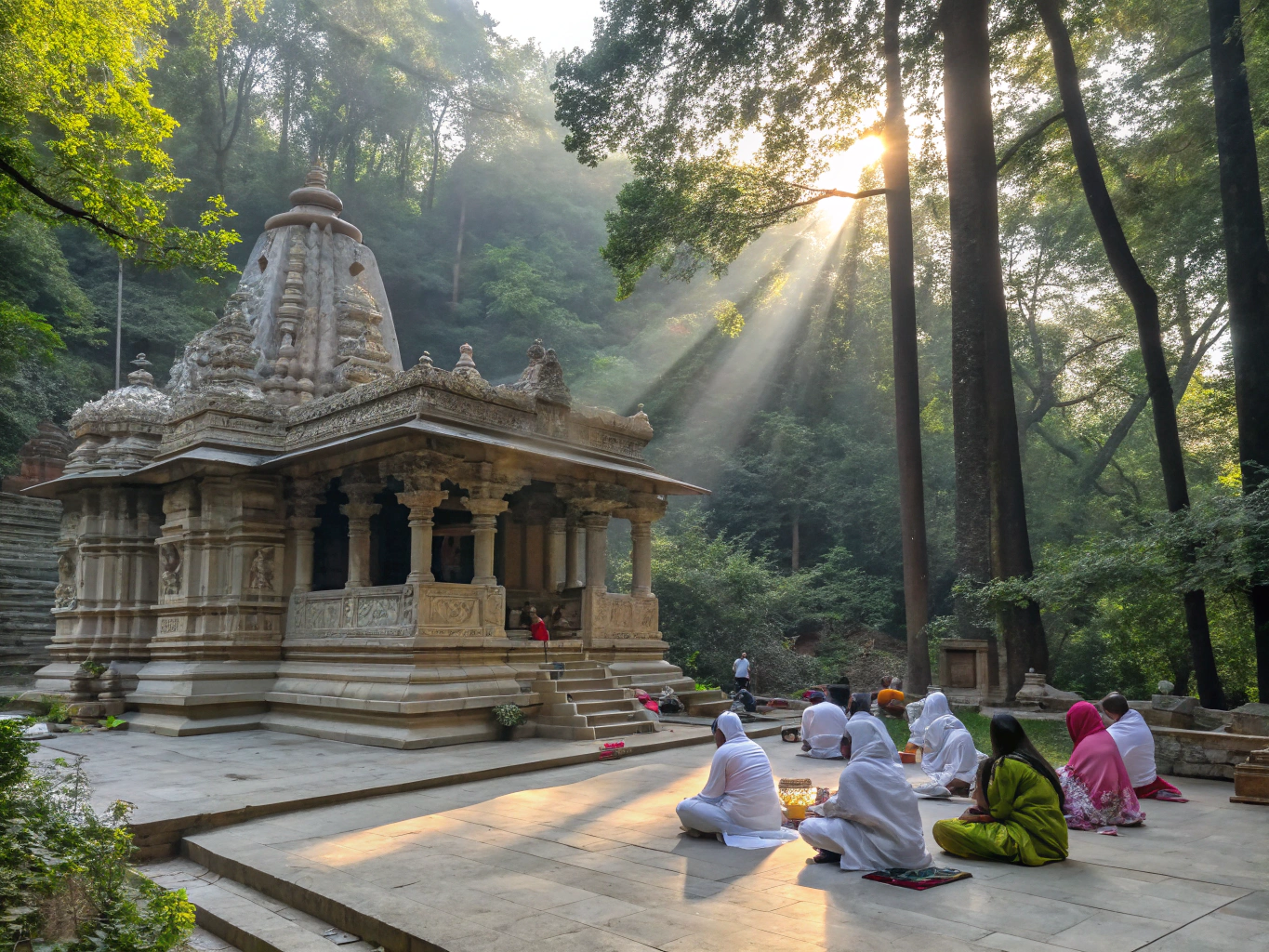
The Path of Ahimsa
An examination of non-violence as the supreme ethical duty, exploring its historical application and philosophical depth in Jain life.
Source: Acaranga Sutra (Ayaramga Sutta), Book 1
Significance: Earliest extant textual stratum establishing the absolute prohibition of harm toward all lifeforms (savve pana).
What is Anekantavada?
“The doctrine of many-sidedness. How does this Jain principle suggest we view the absolute truth of reality?”
Text: Tattvartha Sutra (Umasvati) & Sanmati Tarka (Siddhasena)
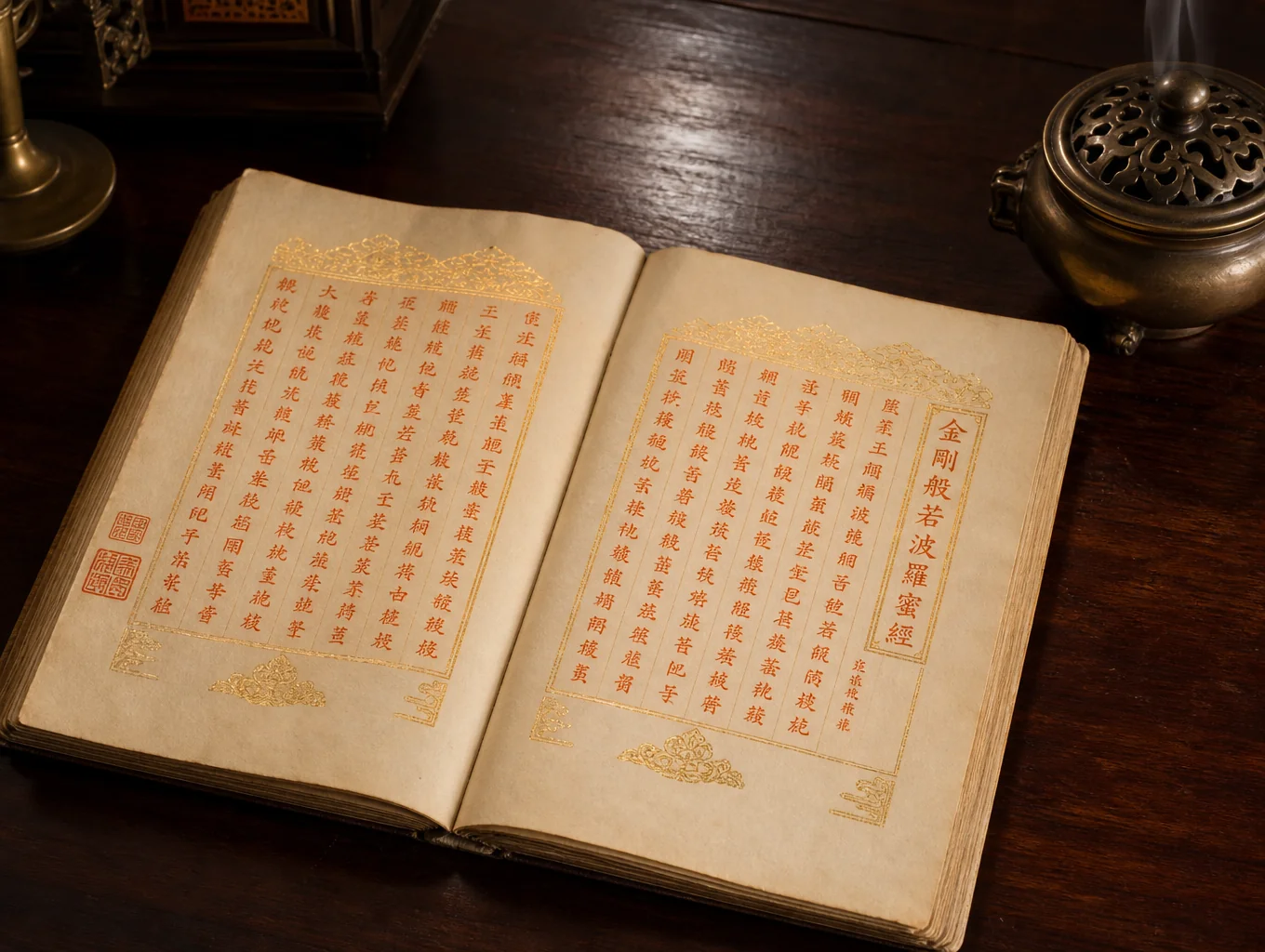
The Jain Agamas
The Agamas are the canonical texts based on the oral teachings of Mahavira, systematized across monastic councils and preserved in Ardhamagadhi Prakrit.
Artifact: Mathura Kankali Tila Ayagapatas & Council Redactions
Significance: Material evidence confirming distinct Svetambara & Digambara scriptural lineages and early monastic councils.
Scholarly References & Historiographical Bibliography
Peer-reviewed sources verifying the doctrinal development, epigraphy, and canonical councils of Jainism.
Chronological Epochs & Scholarly Records
Trace the uninterrupted historical trajectory from early Shramana ascetics through medieval dynastic monuments to modern critical philology.
Shramana Movements & Axial Age
The rise of non-Vedic ascetic traditions across the Gangetic plains, establishing foundational doctrines of Ahimsa, Karma, and Samsara.
Scholarly agreement supports Parshvanatha as the 23rd historical Tirthankara, preaching the fourfold restraint (Chaujjama Dhamma).
Early Magadhan settlement strata confirming 8th-century BCE urban expansion and ascetic cell relics.
Vardhamana Mahavira synthesizes and codifies rigorous ethical doctrines, establishing the fourfold community of monks, nuns, laymen, and laywomen.
Rajgir hill fort foundations and contemporary NBPW (Northern Black Polished Ware) ceramic horizons.
Scholarly Bibliography & Primary References
Peer-reviewed monographs, critical editions, and excavation reports establishing the historical chronology.
The Jains (2nd Revised Edition)
Gaina Sûtras: Translated from Prâkrit (Sacred Books of the East, Vol. 22)
The Jain Stûpa and Other Antiquities of Mathurâ (Archaeological Survey of India New Imperial Series, Vol. XX)
Inviting Death: Historical Experiments on Sepulchral Hill
Aśoka and the Decline of the Mauryas (3rd Edition)
The Western Indian Style of Architecture
On the Indian Sect of the Jainas (Edited with an Outline of Jaina Mythology by J. Burgess)
Jaina Temple Architecture in India: The Development of a Distinct Language in Space and Ritual
Cross-Examine with Parallel Civilizations
Compare Magadhan, Mauryan, and Deccan chronologies with contemporaneous Hellenistic, Persian, and Mediterranean developments.
Related Learning & Cross-Tradition Research
Explore contemporaneous philosophical traditions, historical eras, and comparative analytical tools.