Origins of Judaism in the Ancient Southern Levant
Examining the transition from Bronze Age Canaanite polytheism and Iron Age Yahwism into strict monotheism. This overview critically distinguishes empirical archaeological data from later Rabbinic and liturgical traditions.
Southern Levant
Judean Highlands, Samaria & Jordan Rift Valley
c. 1200 – 586 BCE
Iron Age I through the Neo-Babylonian Exile
Ketef Hinnom Silver
Amulet inscriptions dated c. 600 BCE
Henotheism to Monotheism
Monolatrous Yahwism evolving to Second Temple Judaism
Historiographical Framework & Evidence Standard
Modern academic consensus differentiates primary archaeological records from retrospective theological histories.
Inscriptions (Ostraca, Stelae), carbon-dated strata, settlement patterns, ceramics, and faunal analysis dated directly to the Iron Age.
Textual criticism (Documentary Hypothesis / Supplementary models) indicating Torah redaction occurred primarily during the Persian and Hellenistic periods.
Mishnah and Talmud compiled from the 2nd to 6th centuries CE representing post-Temple Pharisaic consolidation rather than Bronze Age records.
Highland Settlement & Proto-Israelites
Archaeological surveys in the central highlands of Canaan reveal small, unfortified agrarian villages with distinctive collar-rim jars and absence of pig bones, emerging during the Late Bronze Age collapse.
Narratives of the Patriarchs, Exodus from Egypt, wilderness wandering, and conquest under Joshua.
Merneptah Stele (c. 1208 BCE) provides the earliest written reference to an entity named 'Israel' in Canaan.
United & Divided Kingdoms (Israel & Judah)
Development of two distinct regional kingdoms: the northern Kingdom of Israel (Samaria), larger and wealthier, and the southern Kingdom of Judah (Jerusalem).
United Monarchy of David and Solomon followed by the division into northern and southern realms.
Tel Dan Stele (mentions 'House of David'), Mesha Stele, Samaria Ostraca, and monumental fortifications at Hazor, Megiddo, and Gezer.
Fall of Samaria & Babylonian Exile
Assyrian destruction of northern Israel in 722 BCE caused a refugee influx to Jerusalem. In 586 BCE, the Neo-Babylonian Empire under Nebuchadnezzar II sacked Jerusalem and destroyed the First Temple, exiling Judean elites.
Prophetic warnings of Jeremiah, Ezekiel, and the Deuteronomistic historical reforms under Kings Hezekiah and Josiah.
Lachish Letters, Ketef Hinnom silver scrolls (c. 600 BCE), destruction layers in the City of David.
Return to Zion & Second Temple Foundation
Cyrus the Great of the Achaemenid Persian Empire issued edicts permitting exiled peoples to return and reconstruct regional sanctuaries, leading to the rebuilding of the Jerusalem Temple.
Leadership of Ezra the Scribe and Nehemiah the governor; canonization and public reading of the Torah.
Yehud coin emissions, Elephantine Papyri in Egypt, Persian imperial administrative seals.
Sectarianism & Final Temple Destruction
Maccabean Revolt against Seleucid rule led to the Hasmonean dynasty, followed by Roman annexation under Pompey (63 BCE). Sectarian movements (Pharisees, Sadducees, Essenes, Zealots) formed.
Rabbinic genealogies tracing oral law back to Sinai alongside written Scriptures.
Dead Sea Scrolls at Qumran, Herod's Temple Mount expansion, Titus Arch inscriptions in Rome.
Major Archaeological & Inscriptional Anchors

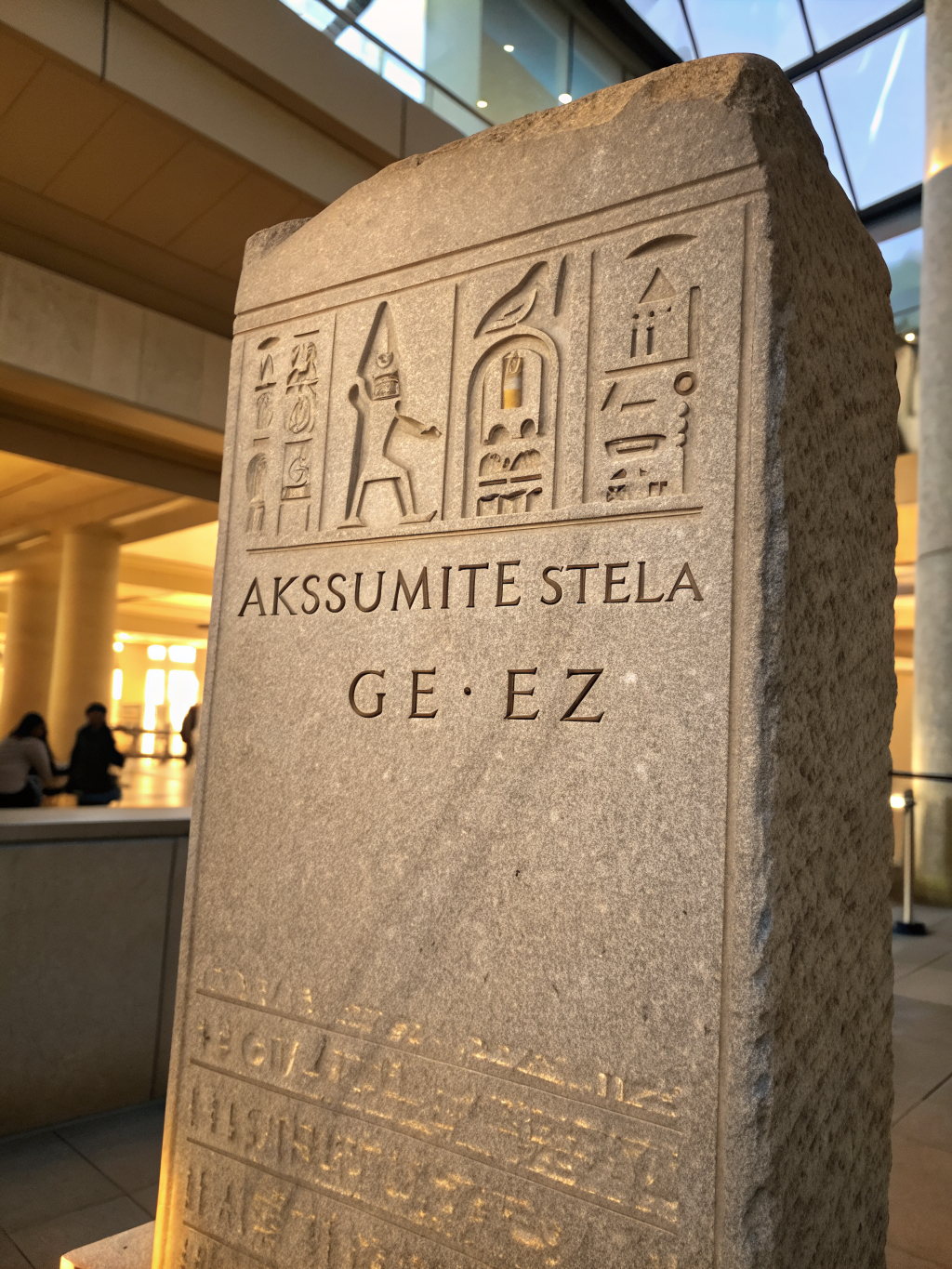

Key Historiographical Questions
How modern biblical scholars and Near Eastern archaeologists evaluate historical records.
Tracing the Origins & Evolution of Judaism
Explore the historical development of Jewish traditions, from ancient textual roots to the consolidation of Rabbinic law and the global diaspora.
Deepen your historical understanding
Access scholarly resources, timelines, and comparative tools for religious history.
Chronological Timeline of Traditions
Trace the evolutionary continuum of religious identity—from ancient Levantine highland archaeology through Persian-era codification, Hellenistic pluralism, diaspora rabbinic syntheses, to modern historiographical research.
Highland settlement shifts and epigraphic mentions such as the Merneptah Stele (c. 1208 BCE) mark the earliest documented identity of Israel in Canaan.
Merneptah Stele inscription, four-room pillared house architecture, faunal remains showing absence of pig bones in highland settlements.
Archaeologists widely agree that proto-Israelite groups emerged primarily from local Canaanite populations through internal socioeconomic transitions rather than sudden foreign invasion.
Formation of the twin kingdoms of Israel (north) and Judah (south), accompanied by early Northwest Semitic inscriptions referencing Yahweh.
Tel Dan Stele ('House of David' inscription), Mesha Stele, and Kuntillet Ajrud pithoi inscriptions referencing 'Yahweh of Samaria and his Asherah'.
Early Yahwistic devotion evolved from localized Northwest Semitic polytheistic or henotheistic frameworks toward centralized monolatry by the late 7th century BCE under King Josiah.
Following the Edict of Cyrus, Judean exiles returned from Babylon to reconstruct the Jerusalem Temple. Scribes consolidated and formalized priestly legal codes.
Elephantine Papyri confirming diaspora community correspondence, Yehud coinage, Ezra-Nehemiah historical frameworks.
Major editorial compilation and redaction of the Pentateuch (Torah) reached definitive composite form during the Achaemenid Persian administration.
Divergent movements—Pharisees, Sadducees, Essenes, and the Jesus movement—debated ritual purity, apocalyptic eschatology, and Roman governance.
Discovery of 900+ manuscripts at Qumran (Dead Sea Scrolls) dating from 3rd c. BCE to 1st c. CE.
Second Temple Judaism was remarkably diverse with no monolithic orthodoxy prior to the Roman destruction of the Jerusalem Temple in 70 CE.
With sacrificial temple worship ended, the Tannaim and Amoraim codified the Oral Torah, shifting religion toward synagogue liturgy, prayer, and Halakhic debate.
Epigraphic synagogue floor mosaics across Roman-Byzantine Galilee (Beth Alpha, Hammat Tiberias) and Cairo Genizah fragments.
Rabbinic Judaism emerged as the dominant normative structure across centuries of interaction with Greco-Roman and Persian-Zoroastrian environments.
Jewish thought synthesized Aristotelian rationalism through Maimonides and mystical esoteric frameworks through the Sefer ha-Zohar.
Preserved manuscript codices from the Cairo Genizah, illuminated haggadot, and philosophical treatises.
Cross-cultural Mediterranean dialogues with Islamic theology (Kalam, Falsafa) and Christian scholasticism fundamentally shaped medieval Jewish hermeneutics.
The European Enlightenment sparked the Haskalah (Jewish Enlightenment), leading to modern denominational streams and critical scientific study of religion (Wissenschaft des Judentums).
Archival institutional records, early modern critical Hebrew journals (Ha-Me'assef), and systematic university archaeological digs in the Levant.
Modern religious identity is marked by rigorous historical-critical engagement with sacred texts, historical comparative methods, and global cultural integration.
Scholarly References & Peer-Reviewed Sources
All timeline claims adhere to mainstream archaeological reports, epigraphic corpora, and critical academic publications.
Simon and Schuster / Free Press, New York
William B. Eerdmans Publishing, 2nd Edition
T&T Clark International, London
HarperSanFrancisco, New York
University of Chicago Press, Chicago
Harvard University Press, Cambridge, MA
Methodological Standard: Distinguishing Tradition vs. Evidence
This academic timeline presents findings corroborated by Northwest Semitic epigraphy, Levantine stratigraphy, and critical textual redaction analyses.
Related Learning & Historiographical Context
Continue exploring connected religious traditions, historical eras, and comparative analytical tools.