Shinto: Reverence for Kami, Nature & Purity
Explore the animistic foundations, sacred shrine landscapes, and imperial historiography of Japan's oldest spiritual path.
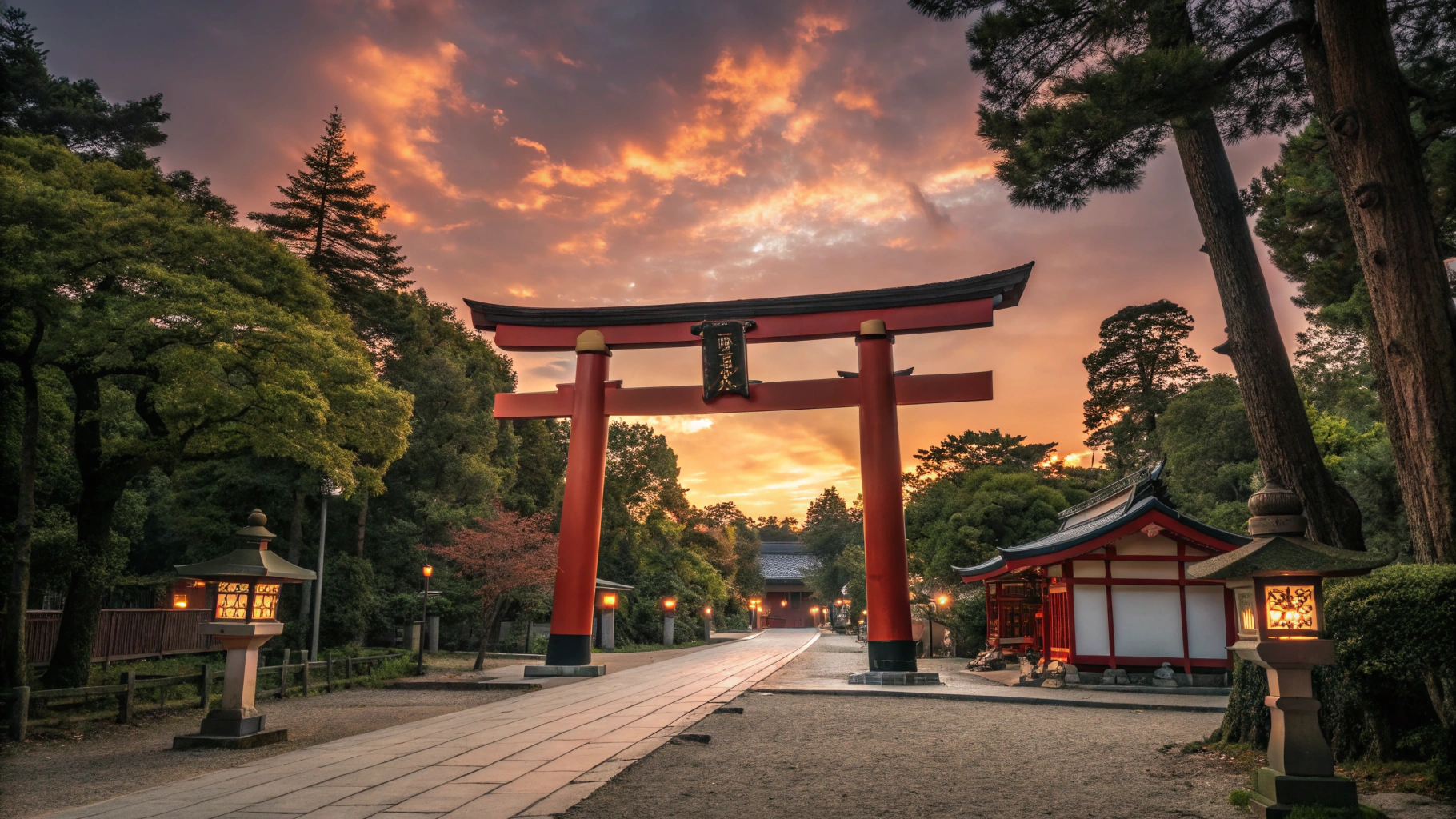
Shinto: Sacred Traditions
Era: c. 300 BCE to Present
Shinto Core Doctrine & Sacred Structures
Examine the fundamental theological framework of Shinto: the plurality of divine forces, the mythic narrative of creation, sacred rituals of purity, and imperial regalia.
“The term Kami applies to all deities of heaven and earth mentioned in ancient records, and also to the spirits residing in shrines… Any being whatsoever which possesses some eminent quality out of the ordinary, and is awe-inspiring, is called Kami.”
Kami are not omnipotent or omniscient creators in the Abrahamic sense, but expressions of numinous quality possessing dual aspects: peaceful (Nigi-mitama) and turbulent (Ara-mitama).
Deities residing in Takamagahara (High Plain of Heaven), responsible for cosmic order and supreme authority.
Spirits native to the earthly realm (Ashihara no Nakatsukuni), governing localized terrain, mountains, and rivers.
Spiritual essence (shintai) dwelling inside awe-inspiring natural landmarks such as old-growth forests, waterfalls, and storms.
Elevated human spirits (Hitogami) whose virtue, devotion, or royal lineage caused them to be venerated post-mortem.
Architectural Foundations & Archaeological Discoveries
Explore physical evidence and enduring building traditions that substantiate historical records. From bronze age ceremonial bells to living rebuilding cycles, examine verified artifacts and monumental sanctuaries.
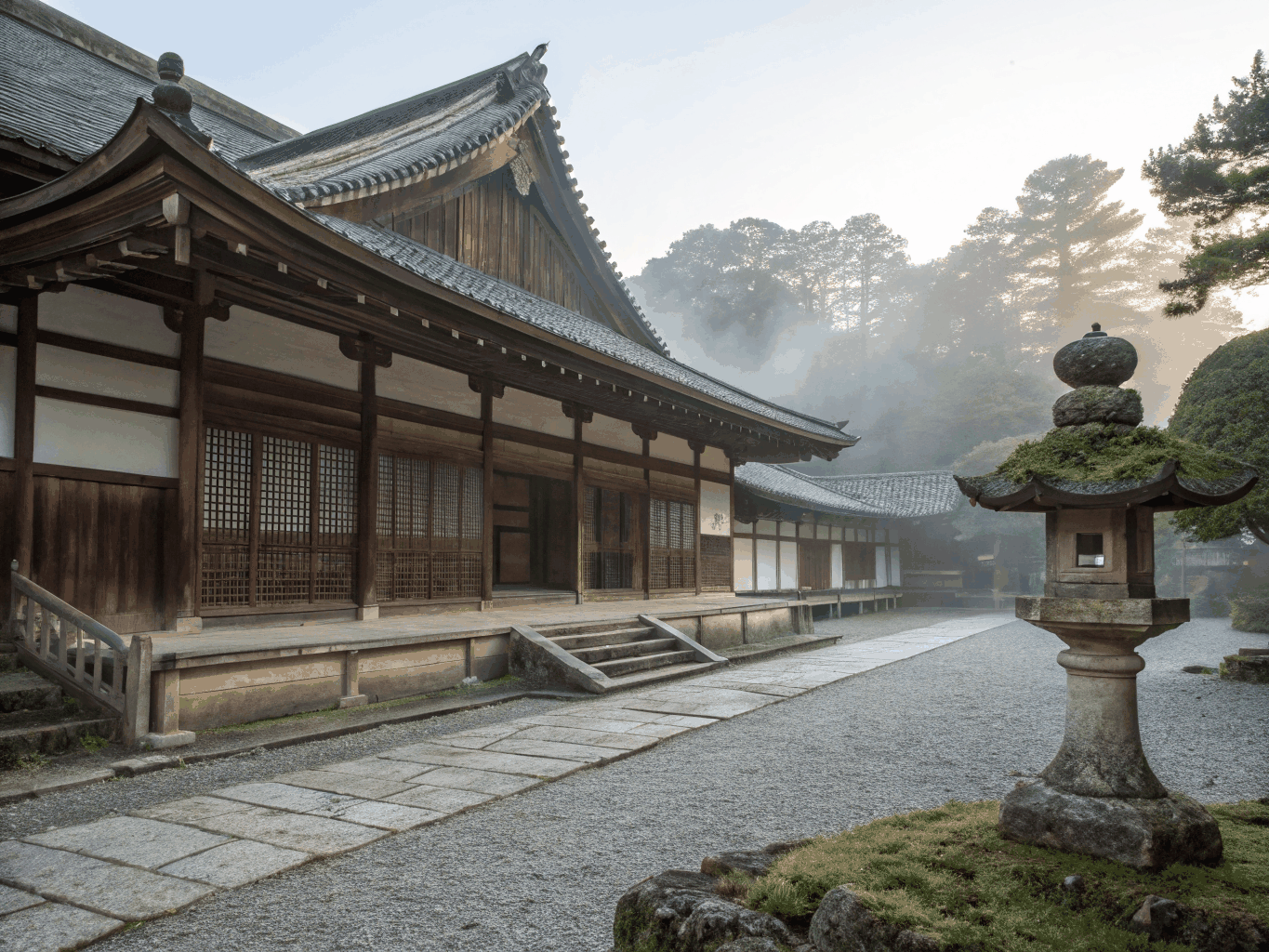
Dedicated to Amaterasu Omikami (Naikū) and Toyouke no Omikami (Gekū). Characterized by the ancient Yushoku-zukuri architectural style and unfurnished unpainted Japanese cypress (hinoki).
Every 20 years, an identical twin compound is built adjacent to the existing shrine, transferring sacred regalia in an uninterrupted ritual cycle preserved for over 1,300 years.
Dedicated to Okuninushi no Mikoto. Legend stated the ancient main sanctuary once soared 48 meters high on monumental timber tripods, proven authentic by 2000 CE excavations.
Archaeologists unearthed three bound cedar logs forming single massive columns over 3 meters in diameter, supporting medieval records of elevated cloud-reaching structures.
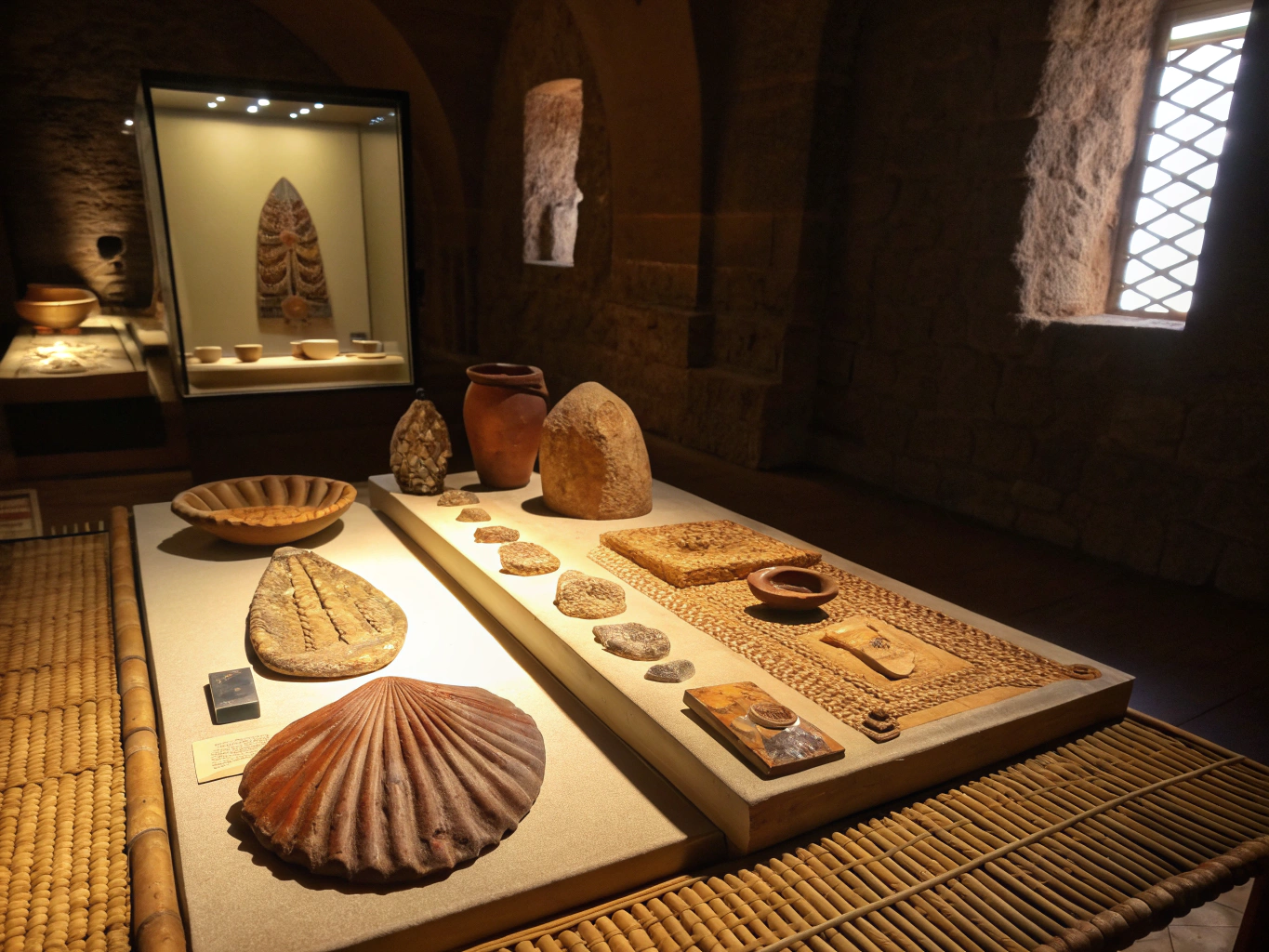
An uninhabited island known as the 'Ocean Treasury' where imperial maritime rituals were held for navigation safety to the Korean peninsula and mainland Asia.
Systematic excavations yielded thousands of Chinese bronze mirrors, Silla gold rings, woven silk, glass trade beads, and cast iron weaponry left in open rock clefts.

Intricately cast ceremonial bronze bells with relief pictorial scenes showing hunting, agricultural harvesting, grain storage, fauna, and geometric flowing water (Ryusuimon).
Early specimens show clapper wear as acoustic bells; late Yayoi examples grew to over 1 meter with thin walls, produced solely as buried agricultural fertility emblems.
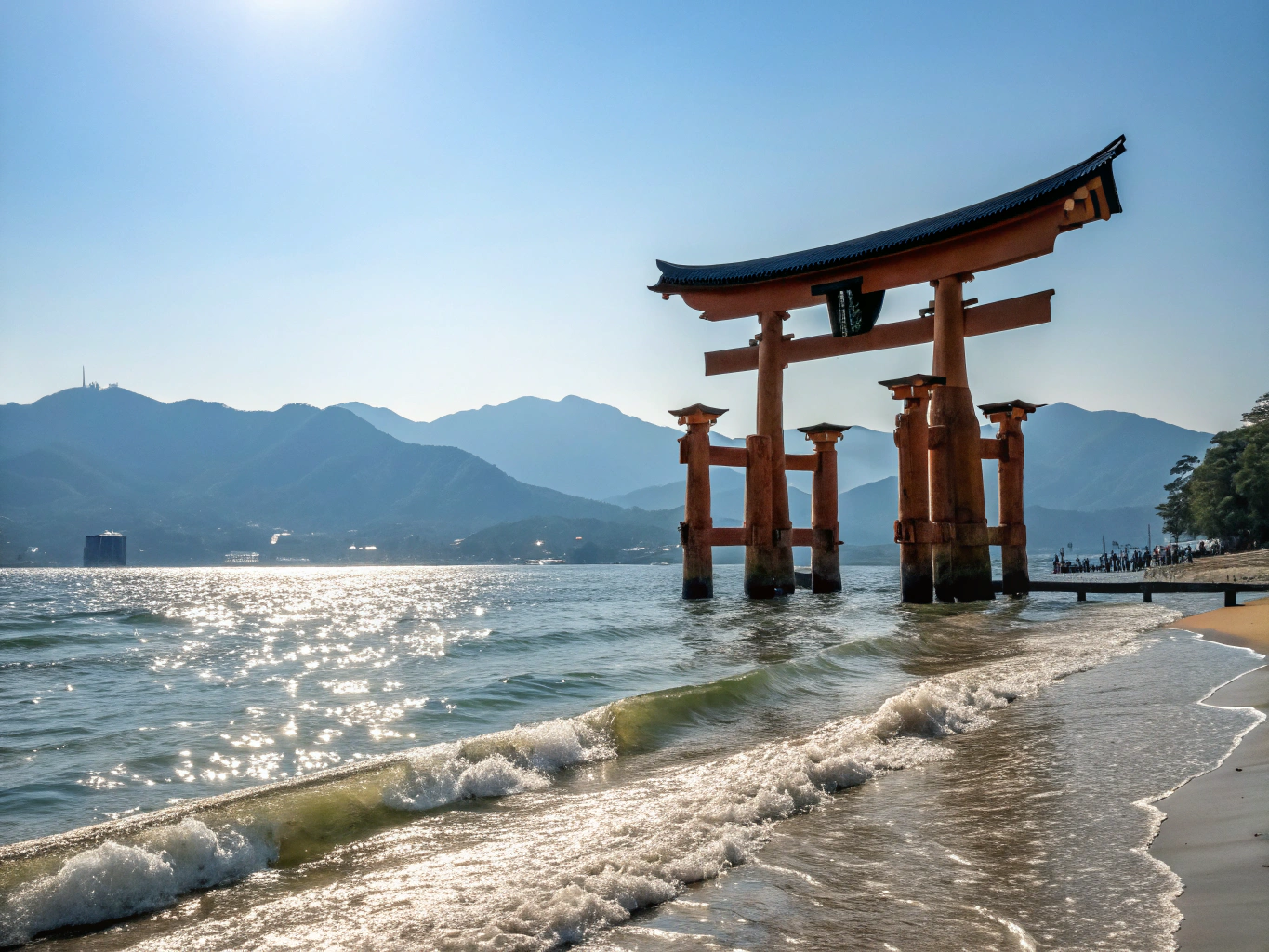
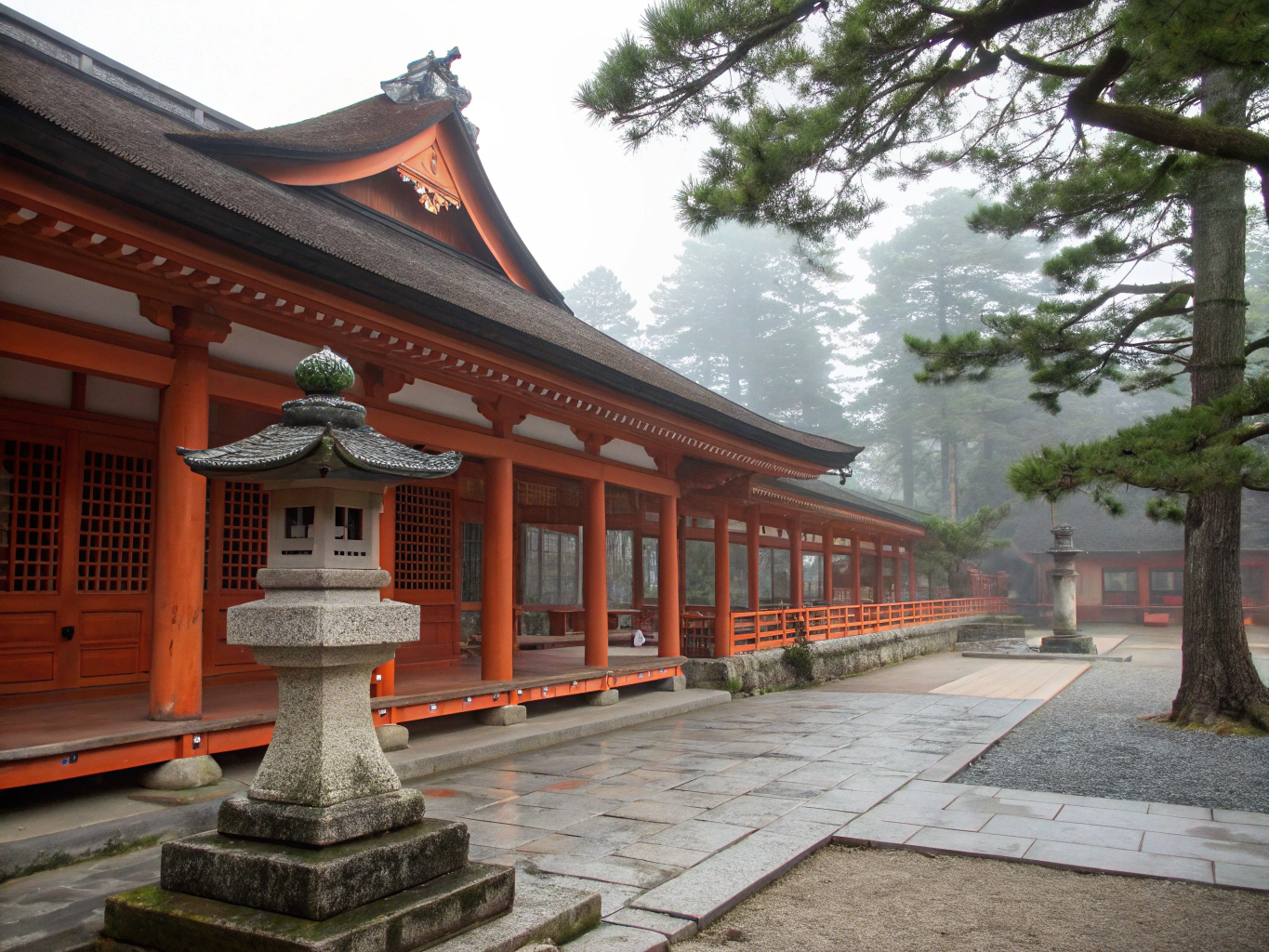
Built over tidal flats to avoid disturbing the sacred soil of Mount Misen on Miyajima Island. Showcases Heian-era aristocratic Shinden-zukuri architectural elegance.
The 16-meter vermilion camphor wood Torii stands entirely under its own gravity without subterranean pilings, weighted down with seven tons of stones in the upper lintel cavity.
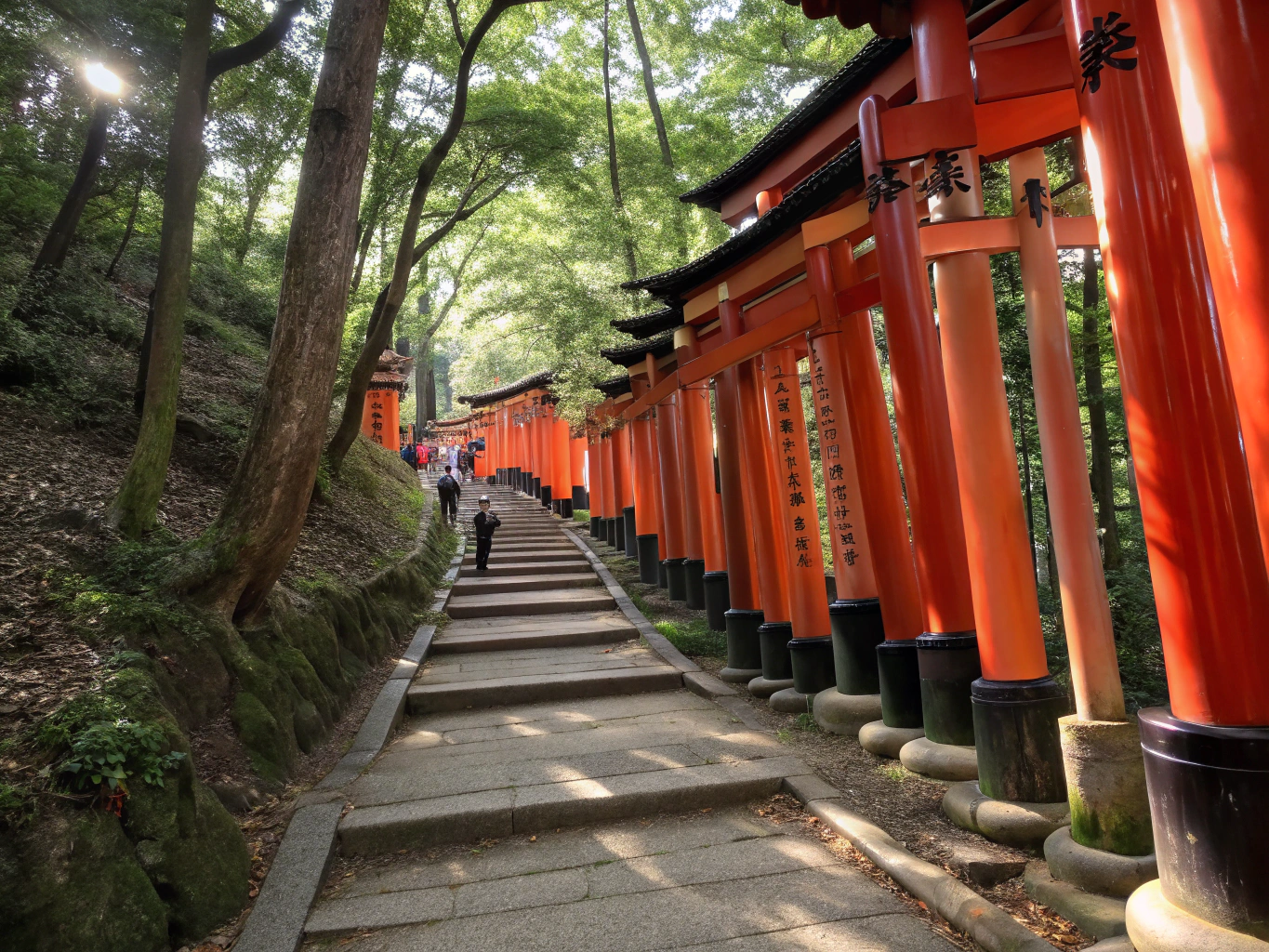
Head shrine of over 30,000 Inari shrines throughout Japan, dedicated to rice, commerce, and agricultural abundance on the sacred slopes of Mount Inariyama.
Thousands of vermilion wooden archways donated by guilds and merchants form serpentine tunnels up the mountain, demarcating sacred space (kekkai) from mundane territory.
Shinto Historiography & Evolution
Trace the institutional journey from imperial court ritual administration in ancient Nara to over a millennium of Buddhist-Kami syncretism, nativist philosophical resurgence, modern constitutional transformation, and dynamic community festival networks.
The Department of Divinities (Jingi-kan) was established alongside the Grand Council of State (Daijō-kan) under the Taihō and Yōrō Codes. It formally cataloged regional shrines, scheduled annual imperial offerings (Engishiki Jinmyōchō), and institutionalized rites for cosmic harmony and imperial legitimacy.
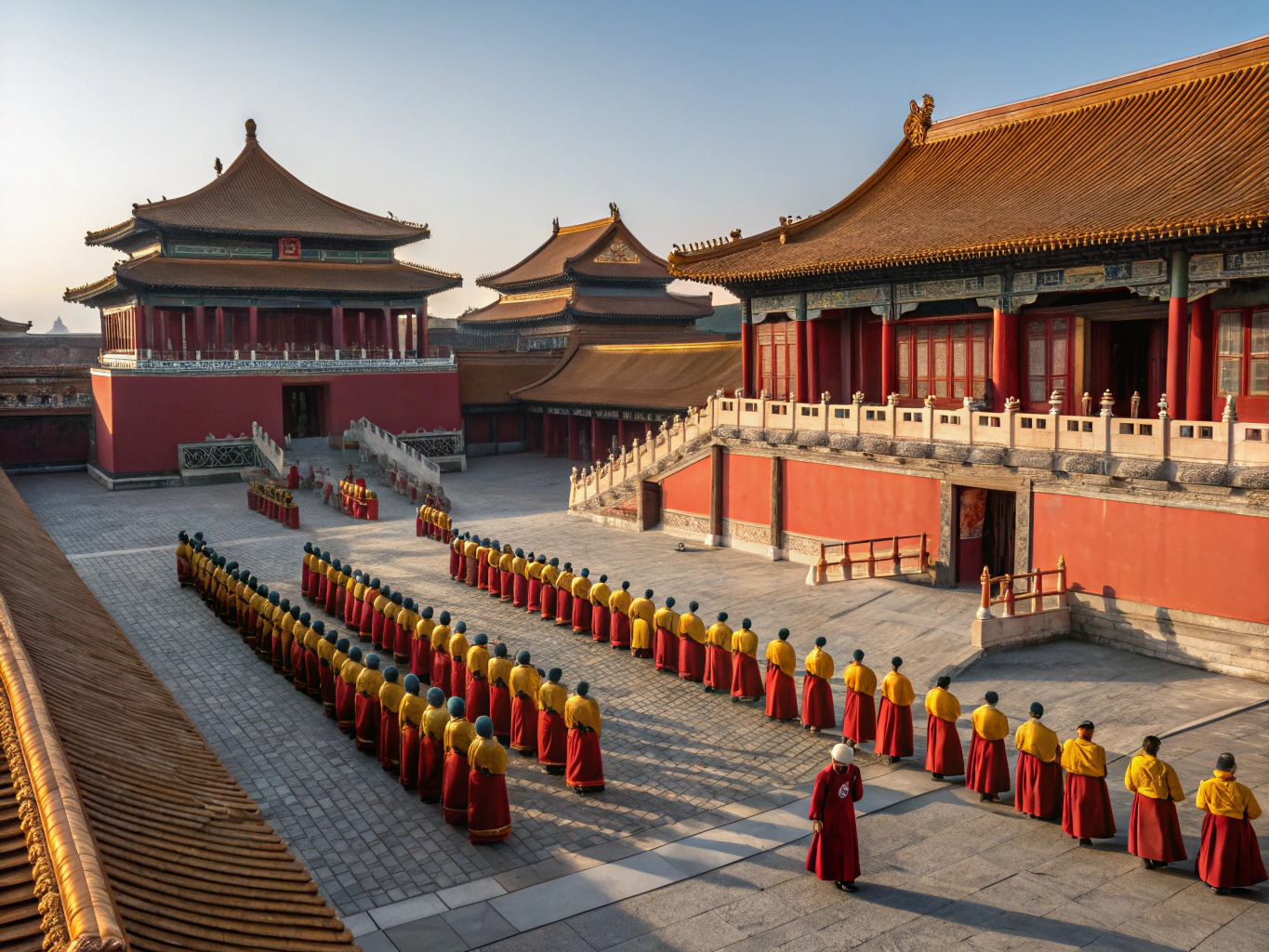
Scholars agree the Jingi-kan was not a national priestly hierarchy for commoners, but a court administrative apparatus created to integrate regional clan deities (uji-gami) into imperial ritual hegemony.
For over a millennium, indigenous kami veneration and esoteric Buddhism interwove seamlessly. Under Honji Suijaku doctrine, indigenous kami were recognized as local provisional manifestations (suijaku) of primordial Buddhist entities (honji), giving rise to combined shrine-temple complexes (jingūji) and Tendai/Shingon syncretic liturgies.
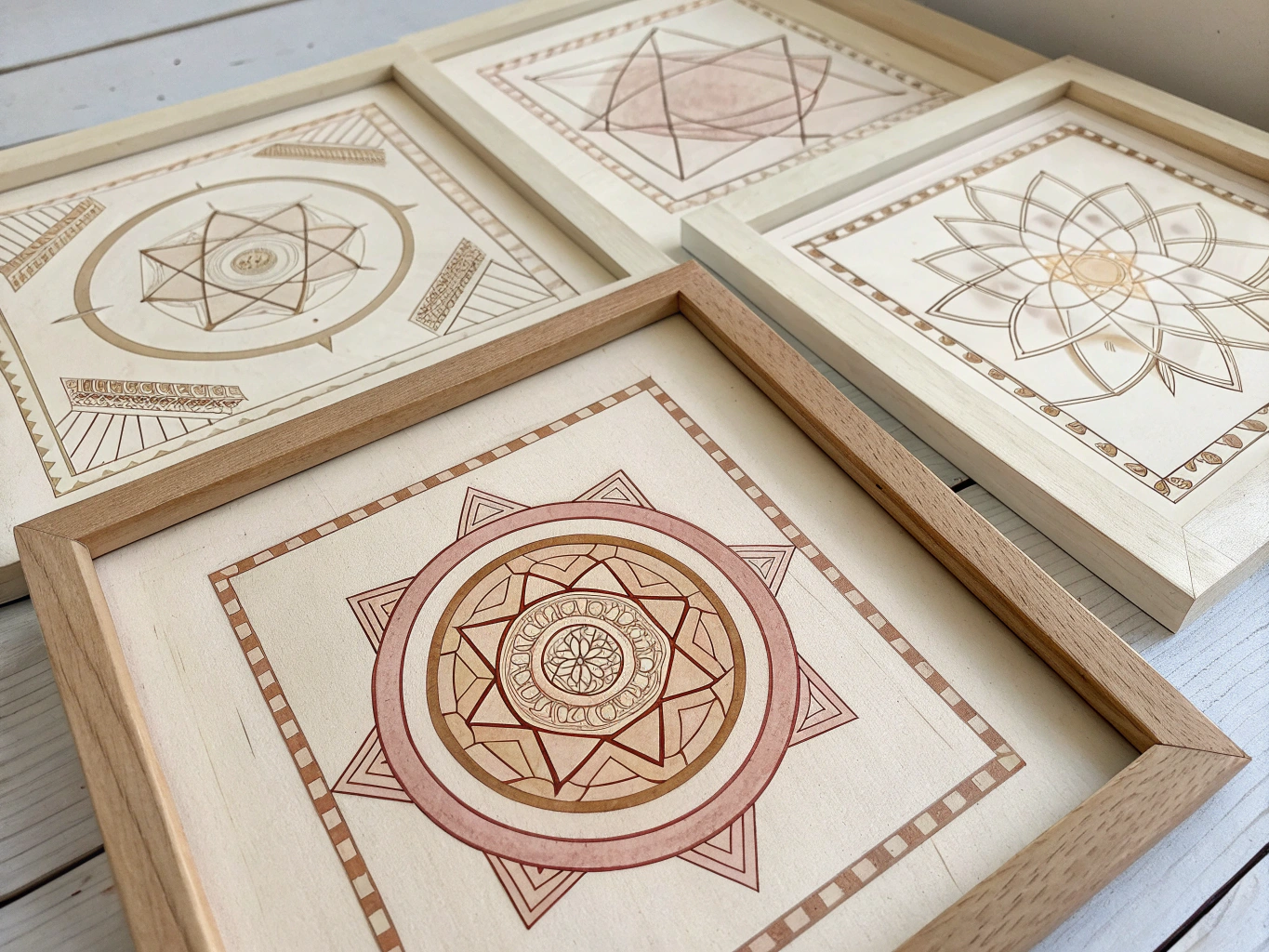
Kokugaku ('National Learning') intellectuals, led by Motoori Norinaga, Kada no Azumamaro, and Hirata Atsutane, sought to strip away Chinese Confucian and Buddhist layers through rigorous philological analysis of the Kojiki. They reconstructed a theological narrative of indigenous spontaneity, pristine heart (magokoro), and divine imperial lineage.

With the 1868 Meiji Restoration, the government decreed Shinbutsu Bunri, violently disentangling shrines from Buddhist temples (often triggering anti-Buddhist iconoclasm, Haibutsu Kishaku). Shrines were re-categorized as civic institutions of national civic morality rather than 'religion', culminating in centralized State Shinto rituals until the end of World War II.
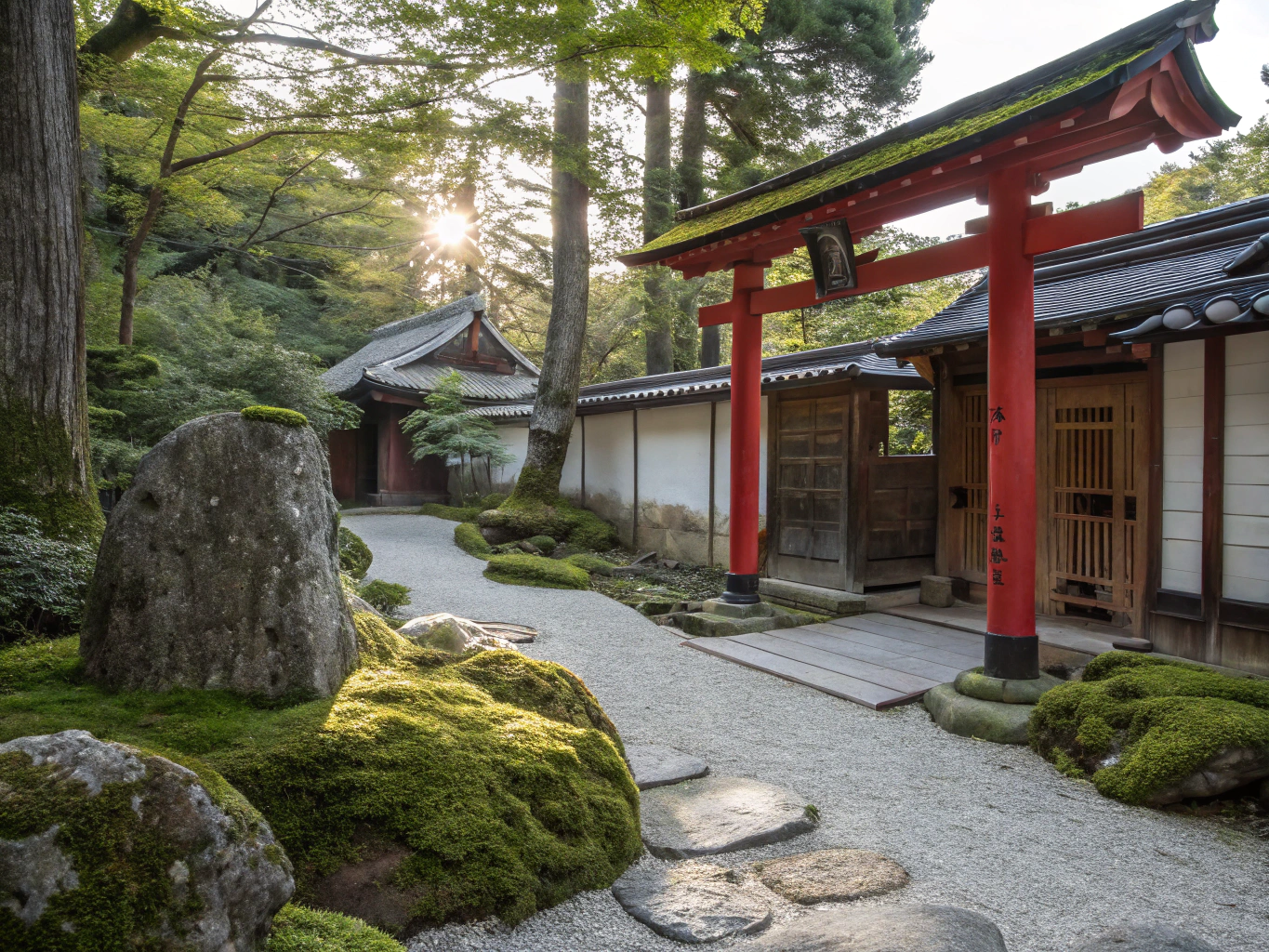
Following the Allied 1945 Shinto Directive, Shinto was formally disestablished from state funding and state compulsion. In February 1946, the Association of Shinto Shrines (Jinja Honcho) formed as a private voluntary federation administering approximately 80,000 shrines across Japan, focusing on forest conservation, priest licensure, and ritual transmission.
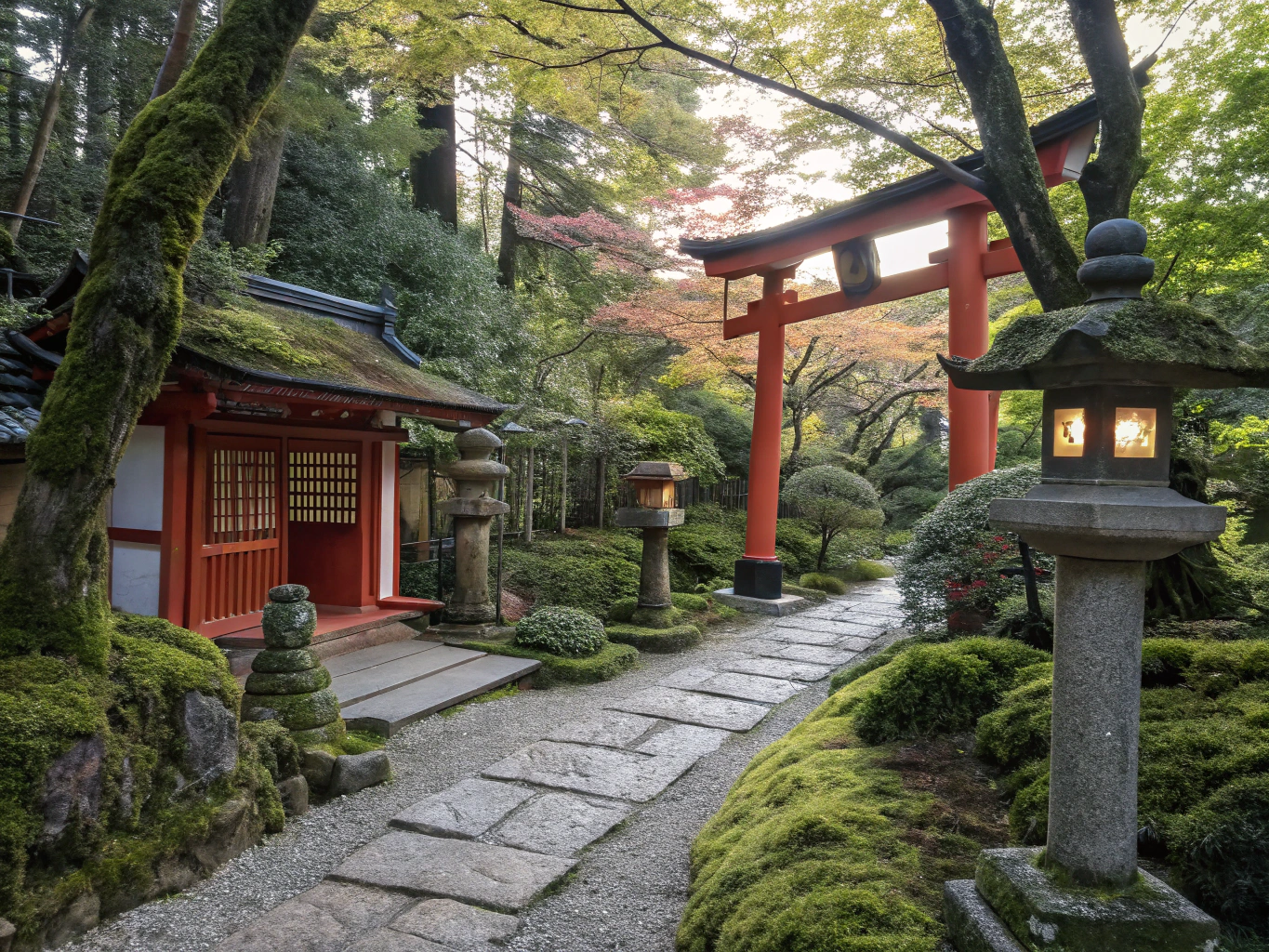
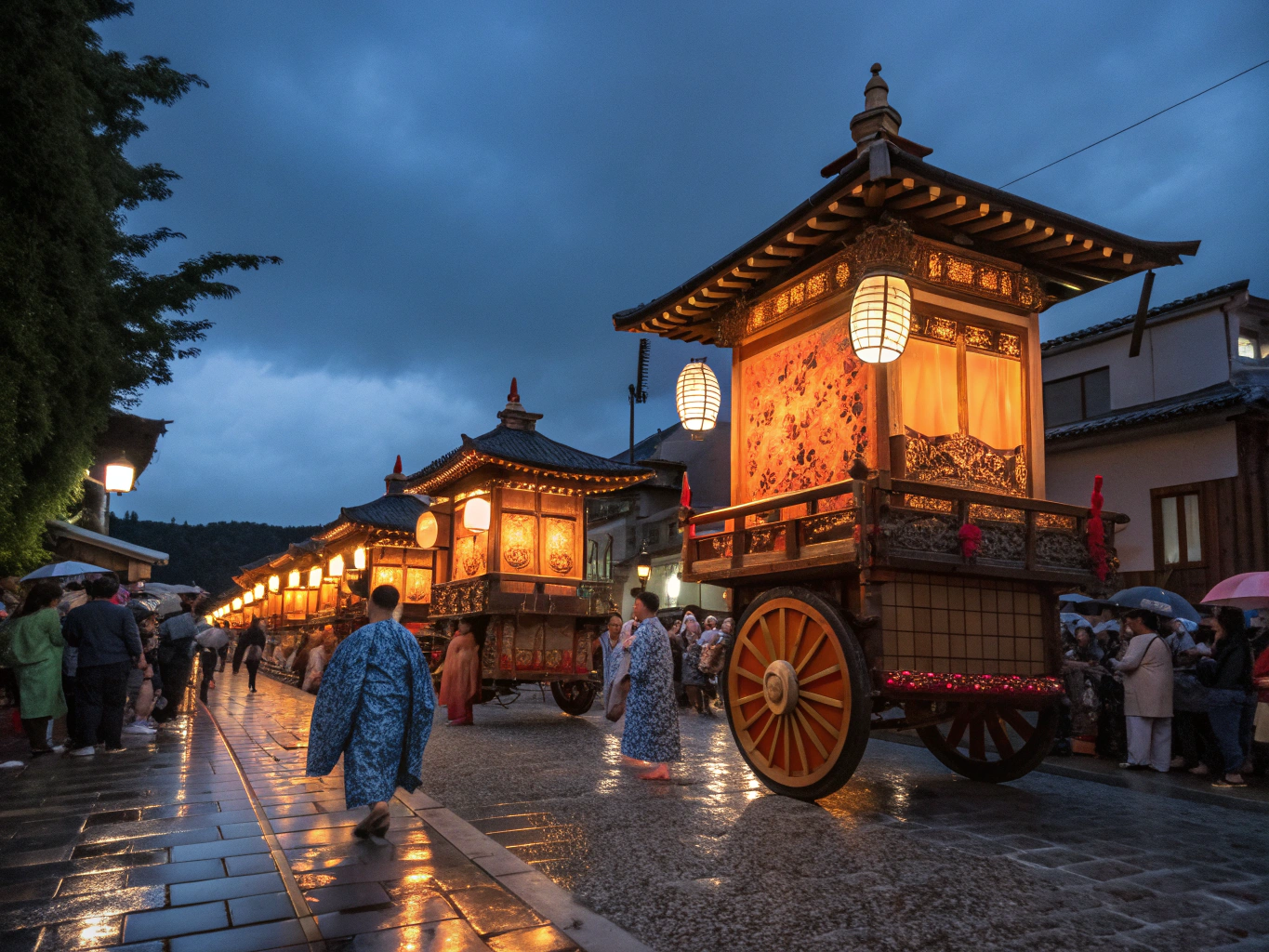
Beyond court texts and theological debates, Shinto persists most vividly through participatory neighborhood festivals (matsuri). Historic rites invoke kami into portable shrines (mikoshi) and massive festival floats (yamaboko), weaving cleansing rituals (harai), athletic devotion, economic revitalization, and neighborhood solidarity.
Comparing Syncretic Fluidity and State Modernity
Understanding Shinto requires acknowledging that its modern shrine network is the outcome of successive waves: imperial centralization, millennium-long Buddhist integration, early modern nativist rediscovery, and 19th-century nation-state remodeling.