The Historical Emergence of Christianity
Examining the documentary origins, epigraphic foundations, archaeological excavations, and non-theological historical consensus behind the transition of a 1st-century Galilean movement into a Greco-Roman religious tradition.
Galilee & Jerusalem (Roman Province of Iudaea / Levant)
c. 28–33 CE (Life & Ministry: c. 4 BCE – 30/33 CE)
Jesus of Nazareth, James the Just, Peter, John, Paul of Tarsus, Pontius Pilate
Canonical Gospels (c. 65–100 CE), Pauline Epistles (c. 50–62 CE), Early Papyri (𝔓52, 𝔓46, 𝔓45)
Global (Originated in Mediterranean urban hubs: Antioch, Ephesus, Corinth, Rome)
Methodological Standard: Fact vs. Theology
Roots of Religion treats ancient manuscripts, inscriptions, and secular references as historical artifacts. We systematically distinguish between empirically documented history, scholarly consensus, and theological doctrine.
Pre-Emergence Context: Ancient Levant & Second Temple Judea
Christianity did not appear in a cultural or religious vacuum. Understanding its emergence requires examining the preceding millennia of Bronze and Iron Age Levantine epigraphy, the development of early Yahwism, the rich sectarian pluralism of Second Temple Judea prior to the Roman destruction of 70 CE, the Dead Sea Scrolls, and Greco-Roman provincial governance.
Key Documentary & Material Evidence
- •Ugaritic mythological cuneiform tablets (KTU 1.1–1.6 Baal Cycle) documenting El, Asherah, and storm-deity imagery
- •Proto-Sinaitic & Proto-Canaanite alphabetic transition yielding Phoenician and Old Paleo-Hebrew scripts
- •Shared Semitic divine epithets ('Elyon, 'El Shaddai, 'Olam) contextualizing pre-monarchic Israelite poetry (Exodus 15, Judges 5)
Historiographical Synthesis
Critical linguistic and epigraphic studies demonstrate that early Hebrew poetry, cultic vocabulary, and liturgical forms share direct morphological ancestry with broader Northwest Semitic and Late Bronze Age Canaanite antecedents prior to the emergence of localized Iron Age polities.
Key Documentary & Material Evidence
- •Kuntillet 'Ajrud Pithos A & B inscriptions referencing 'Yahweh of Samaria and his Asherah' and 'Yahweh of Teman' (c. 800 BCE)
- •Khirbet el-Qôm burial cave inscription (c. 750–700 BCE) recording a blessing formula by 'Yahweh and by his Asherah'
- •Ketef Hinnom silver amulets KH1 & KH2 (c. late 7th/early 6th c. BCE) containing the oldest physical Paleo-Hebrew priestly blessing (Numbers 6:24–26)
Historiographical Synthesis
Archaeological excavations at Sinai and Judean border sites furnish direct epigraphic proof of evolving Iron Age religious expressions, capturing the historical transition from localized regional manifestations and syncretic traditions toward centralized Jerusalem monotheism.
Key Documentary & Material Evidence
- •Pharisees: Promoters of the 'Tradition of the Elders' (Oral Torah), bodily resurrection, and democratic synagogue piety
- •Sadducees: Priestly and aristocratic elite affirming sole authority of the written Pentateuch while rejecting afterlife doctrines
- •Essenes & Wilderness Covenanters: Ascetic isolationists repudiating the Jerusalem Hasmonean/Herodian priesthood as corrupt
- •Zealots & Sicarii ('Fourth Philosophy'): Militant anti-taxation insurgents advocating armed resistance against Roman occupation
- •Samaritans: Distinct Yahwistic community centered at Mount Gerizim maintaining their own Samaritan Pentateuch recension
Historiographical Synthesis
First-century Judea was not monolithic; it was defined by competing sectarian interpretations of Torah, holiness, Temple legitimacy, and prophetic fulfillment. The earliest followers of Jesus constituted one of several distinct Jewish renewal sects navigating this fractious landscape.
Key Documentary & Material Evidence
- •Great Isaiah Scroll (1QIsaᵃ): Complete 2nd-century BCE Hebrew manuscript predating medieval Masoretic copies by over a millennium
- •Community Rule (1QS – Serekh ha-Yahad) & Damascus Document (CD): Sectarian bylaws establishing strict ritual purity and communal ownership
- •War Scroll (1QM) & Messianic Apocalypse (4Q521): Vivid apocalyptic expectations anticipating a dual messianic lineage (Priest of Aaron & King of Israel)
Historiographical Synthesis
Discovered between 1947 and 1956, the 900+ manuscripts from Qumran provide an authentic, un-redacted snapshot of 1st-century apocalyptic vocabulary, demonstrating that concepts of a final cosmic conflict, divine judgment, and messianic restoration were widespread in Roman-era Judea.
Key Documentary & Material Evidence
- •Pilate Stone (Caesarea Maritima, 1961): Carved limestone block confirming Pontius Pilate's actual official title as 'Praefectus Iudaeae'
- •Imperial Infrastructure (Via Maris, King's Highway, Roman postal cursus publicus): Enabled unhindered apostolic maritime and terrestrial transit
- •Hellenistic Koine Greek Lingua Franca: Universal Mediterranean vernacular bridging Semitic Aramaic speech to Roman urban cosmopolitan centers
Historiographical Synthesis
The annexation of Judea as a Roman equestrian-governed province (6 CE) established the precise administrative, fiscal (tribute to Caesar), and judicial mechanisms under which capital punishment was reserved exclusively for Roman authorities, matching primary historical accounts.
Key Documentary & Material Evidence
- •Capernaum 1st-Century Insula: Basalt residential complex beneath the 5th-century octagonal martyrium venerated as the 'House of Peter'
- •Magdala Synagogue Stone (discovered 2009): 1st-century carved limestone altar featuring the earliest sculpted Menorah within a pre-70 CE synagogue
- •Sepphoris (Zippori) Hellenized Center: Urban Greco-Roman capital 6 km from Nazareth demonstrating vibrant bilingual artisan culture
- •Jerusalem Stepped Pilgrimage Street & Robinson's Arch: Monumental paved road used by millions of Passover pilgrims ascending from the Pool of Siloam to the Temple Mount
Historiographical Synthesis
Extensive modern excavations across the Sea of Galilee and the Jerusalem Ophel have uncovered the tangible physical environment of early 1st-century village life, fishing economies, ritual immersion mikva'ot, and monumental pilgrimage infrastructure.
Explore Ancestral Roots in Second Temple Judaism & Ancient Civilizations
Investigate our dedicated archives covering the Iron Age Kingdom of Judah, the Persian Restoration under Cyrus the Great, and comparative Greco-Roman religious syncretism.
Christianity: Historical & Textual Analysis
A rigorous examination of New Testament textual transmission, the major Ecumenical Councils, core theological formulations, historical schisms, and global geographical expansion.
Scholarly consensus utilizes modern text-critical methodologies (e.g. Nestle-Aland Novum Testamentum Graece) to reconstruct the initial text with over 99% agreement on doctrinally significant passages.
Rylands Library Papyrus P52
Scholarly Significance: Earliest surviving physical manuscript fragment of any New Testament text.
Chester Beatty Papyrus P45
Scholarly Significance: Crucial early witness showing wide circulation across Roman Egypt.
Codex Sinaiticus
Scholarly Significance: Oldest complete surviving New Testament in a single magnificent volume.
Codex Vaticanus
Scholarly Significance: One of the highest-quality Alexandrian text-type exemplars in textual criticism.
Historical Timeline & Manuscript Citations
Follow the empirical development of religious traditions from the 1st century CE through Patristic, Medieval, Reformation, and contemporary eras. Every entry cites verified primary manuscripts, archaeological digs, and peer-reviewed consensus.
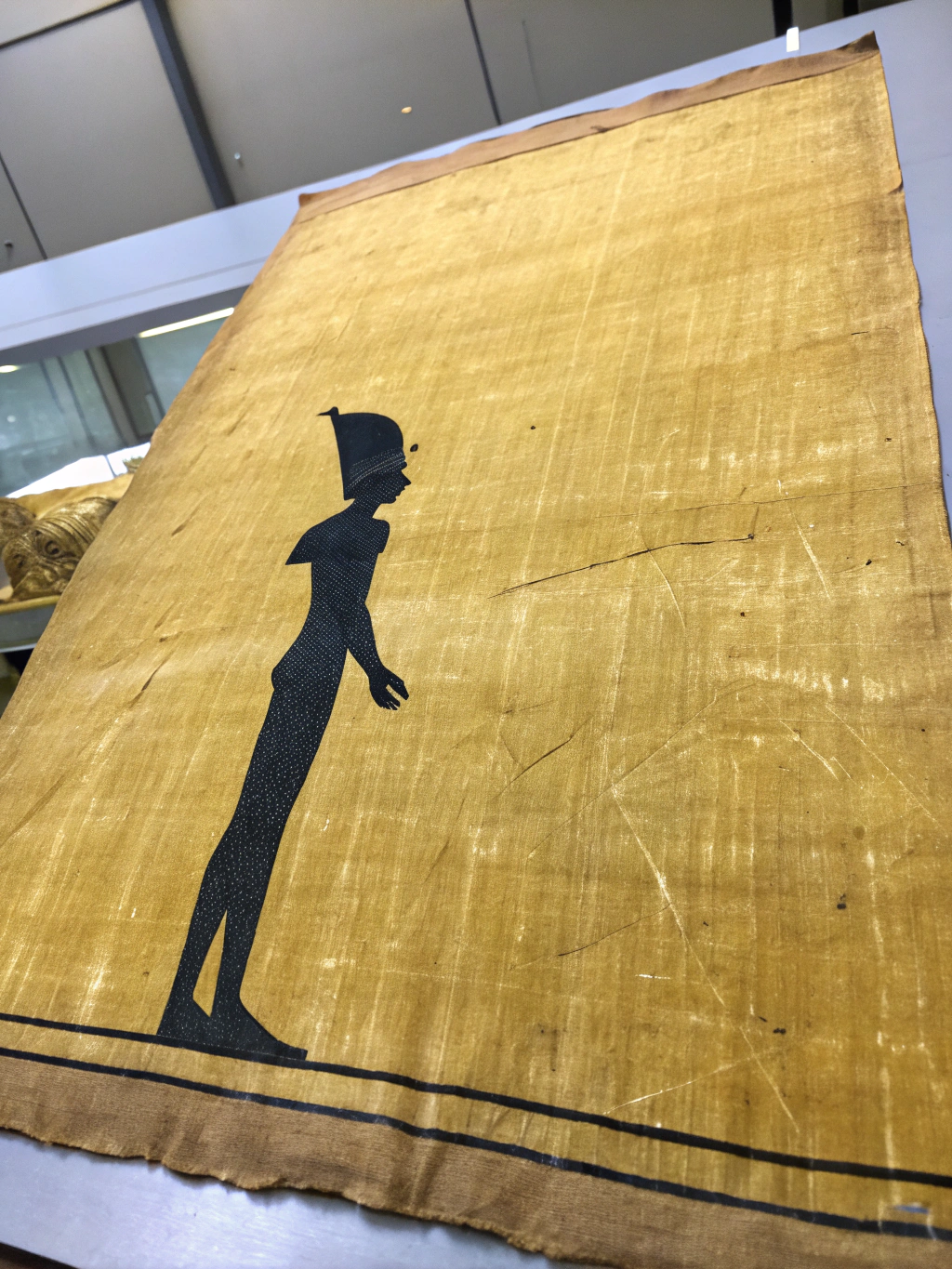
Composition of Earliest Epistles and Gospels
Earliest Christian Greek texts penned across Asia Minor, Greece, and Rome, preserved through papyri fragments.
Primary Source: Papyrus 52 (P52, Rylands Greek 457) & Papyrus 46
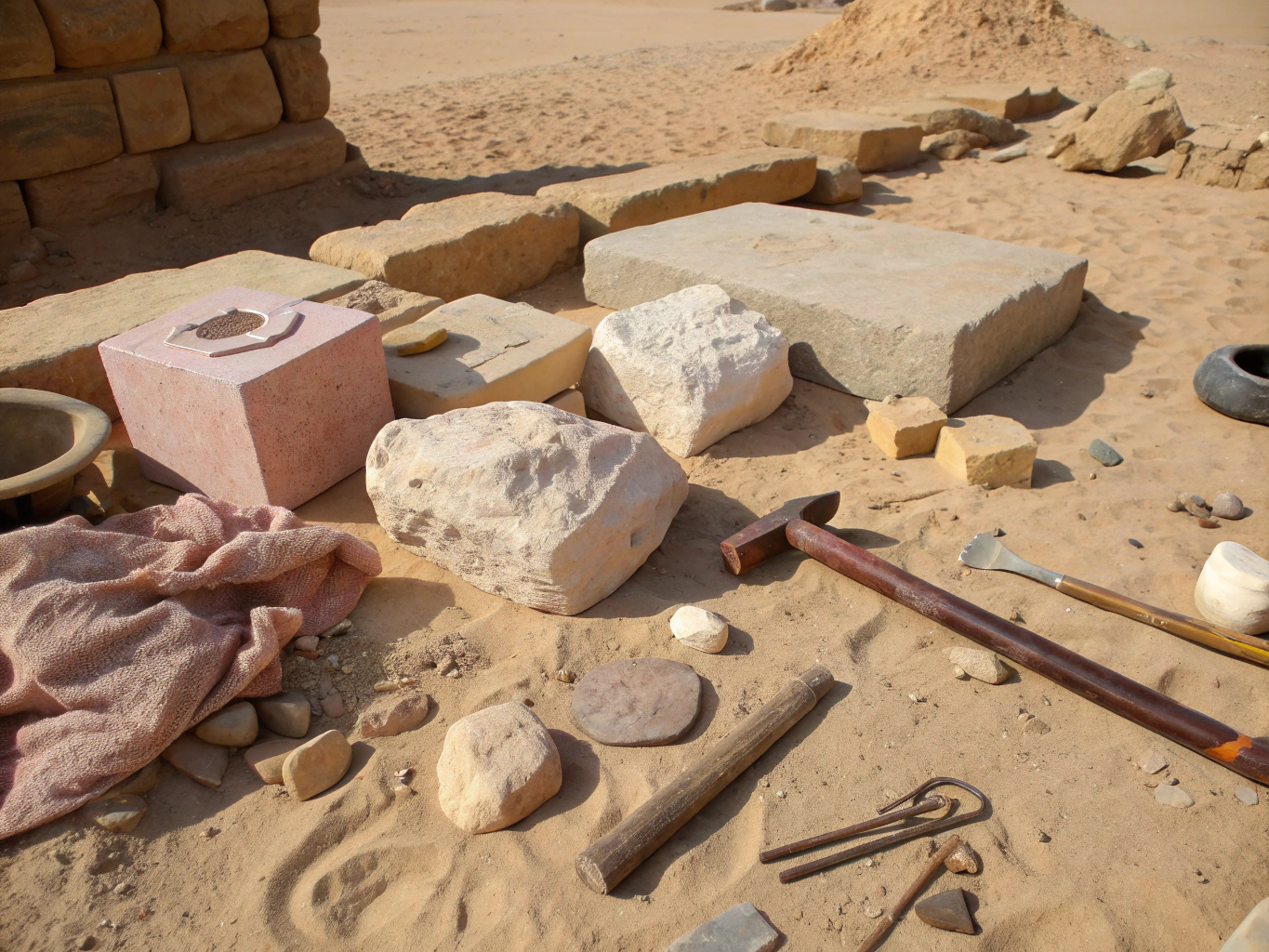
Destruction of Second Temple in Jerusalem
Roman forces under Titus dismantle the Temple complex, triggering major evolutions in Rabbinic Judaism and early Christian identity.
Primary Source: Flavius Josephus, 'Bellum Judaicum' (Jewish War)
Verified Bibliographic Citations
Standard academic references and holding catalog identifiers for the primary textual witnesses featured above.
Roberts, C. H. (1935). An Unpublished Fragment of the Fourth Gospel in the John Rylands Library. Manchester University Press.
Tischendorf, C. von (1862). Bibliorum Codex Sinaiticus Petropolitanus. Giesecke & Devrient, Leipzig.
Tov, Emanuel (2001). Textual Criticism of the Hebrew Bible (2nd Rev. Ed.). Fortress Press.
Bischoff, Bernhard (1990). Latin Palaeography: Antiquity and the Middle Ages. Cambridge University Press.
Bentley, Jerry H. (1983). Humanists and Holy Writ: New Testament Scholarship in the Renaissance. Princeton University Press.
Compare Historical Traditions Across Time
Explore parallel developments, geographical expansion, and textual transmission lineages in our interactive comparison suite.
Related Learning
Explore connected traditions, contextual historical eras, and comparative analytical tools.