The Interactive Chronology of Human Faith
Travel across ten millennia of religious evolution. Filter thousands of years by tradition, region, or evidence type, examine concurrent global developments, and open dedicated era archives.
Select Major Historical Epoch
The Axial Age & Philosophical Metamorphosis
Karl Jaspers' pivotal epoch: simultaneous intellectual transformations across Eurasia shifting from sacrificial ritualism to introspective ethics, monotheism, dialectics, and transcendence.
Achaemenid Persia, Magadha & Mauryan India, Zhou China, Classical Greece, Kingdom of Judah
Zoroastrianism, Early Buddhism, Jainism, Upanishadic Hinduism, Second Temple Judaism, Confucianism, Taoism

Bronze Age & River Valley Dawn
The Axial Age & Philosophical Metamorphosis (c. 800 – 200 BCE)
Classical Antiquity & Imperial Faiths
Early Roman Republic formation; Celtic Hallstatt and La Tene cultural expansions.
Hundred Schools of Thought during Eastern Zhou: Confucius, Laozi, and Sunzi.
Siddhartha Gautama preaching the Four Noble Truths; Mahavira organizing Jain monastic orders.
Zoroaster's teachings preserved in Persia; compilation of the Hebrew Torah following Babylonian exile.
Olmec colossal basalt head sculptors and monumental plazas at La Venta.
Chronological Milestones & Evidentiary Anchors
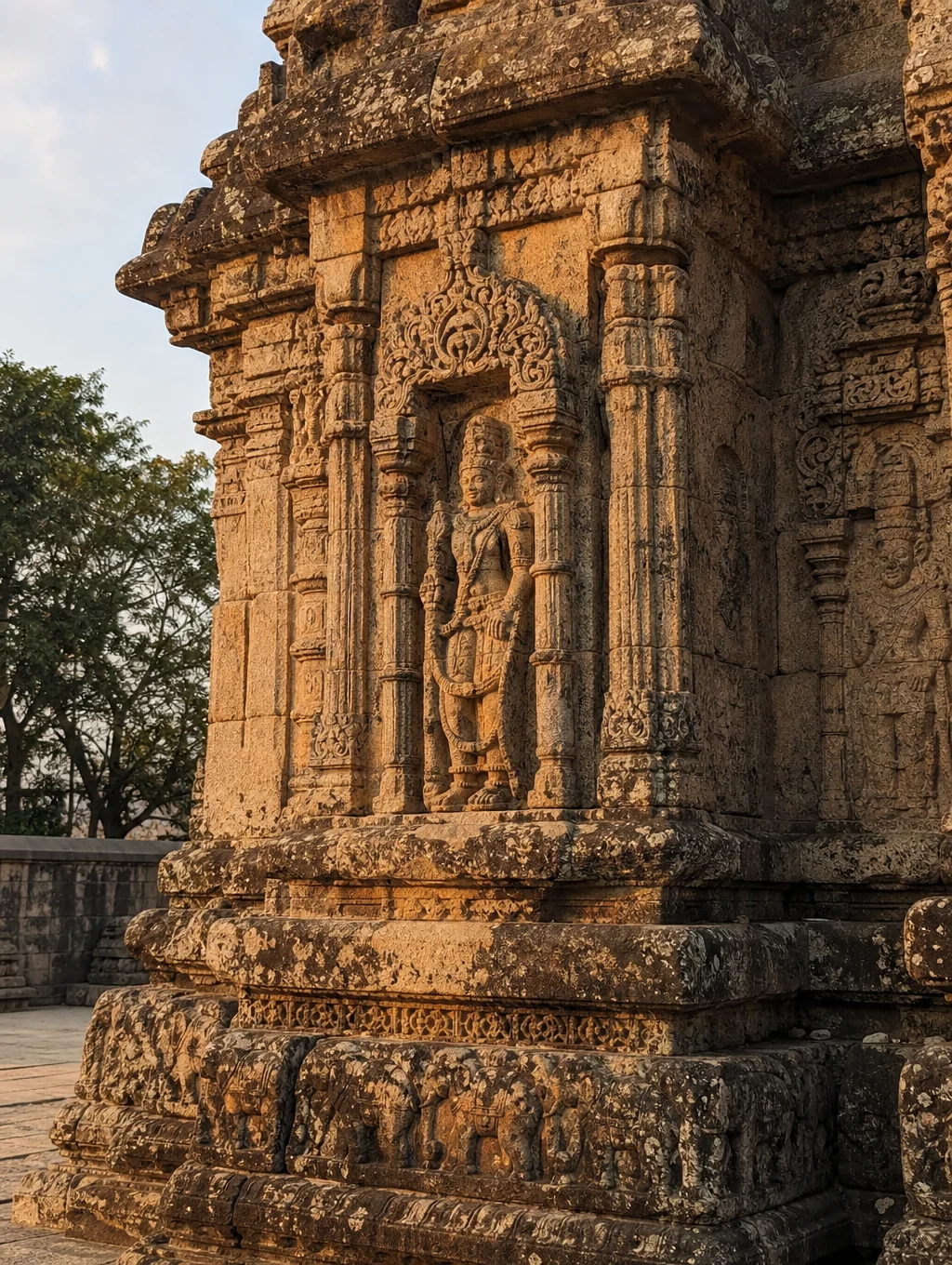
Göbekli Tepe Megalithic Enclosures
Monumental T-shaped limestone pillars carved with predatory fauna, predating agriculture and indicating communal monumental ritual gathering prior to permanent agrarian settlement.
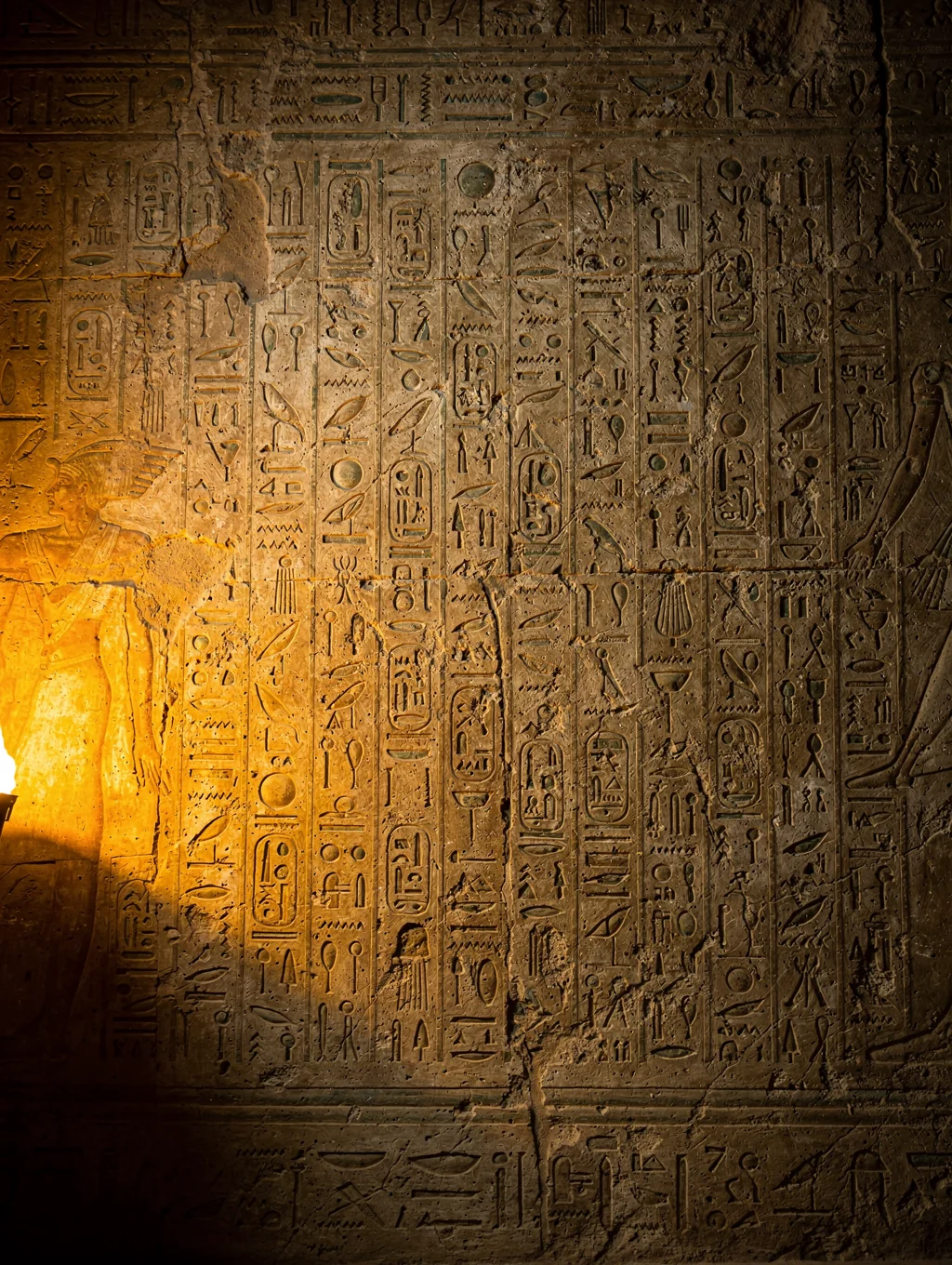
Old Kingdom Egyptian Pyramid Texts
The oldest extant religious corpus in human history, incised upon the limestone subterranean tomb walls of Pharaoh Unas at Saqqara to facilitate the monarch's celestial ascension.

Composition of the Rigveda Hymns
1,028 Sanskrit hymns (Suktas) organized into ten Mandalas, preserved through exact oral mnemonic chanting techniques (Pathas), dedicated to cosmic order (Rta), Agni, Indra, and Soma.
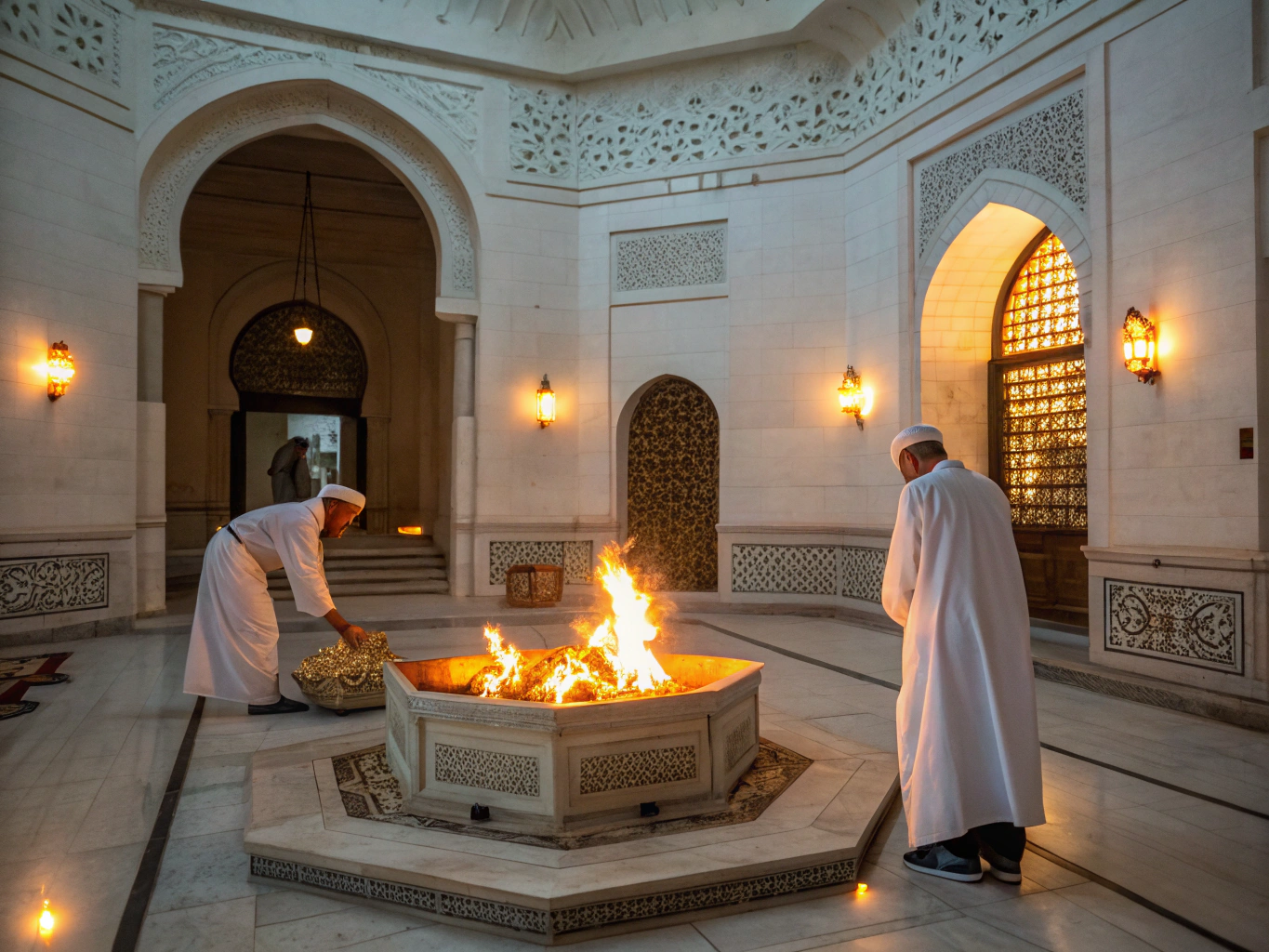
Zoroaster & The Gathic Revelation
Zarathustra preaches radical cosmic dualism centered on Ahura Mazda (Lord of Wisdom), truth (Asha) versus deception (Druj), and personal ethical accountability (Humata, Hukhta, Huvarshta).
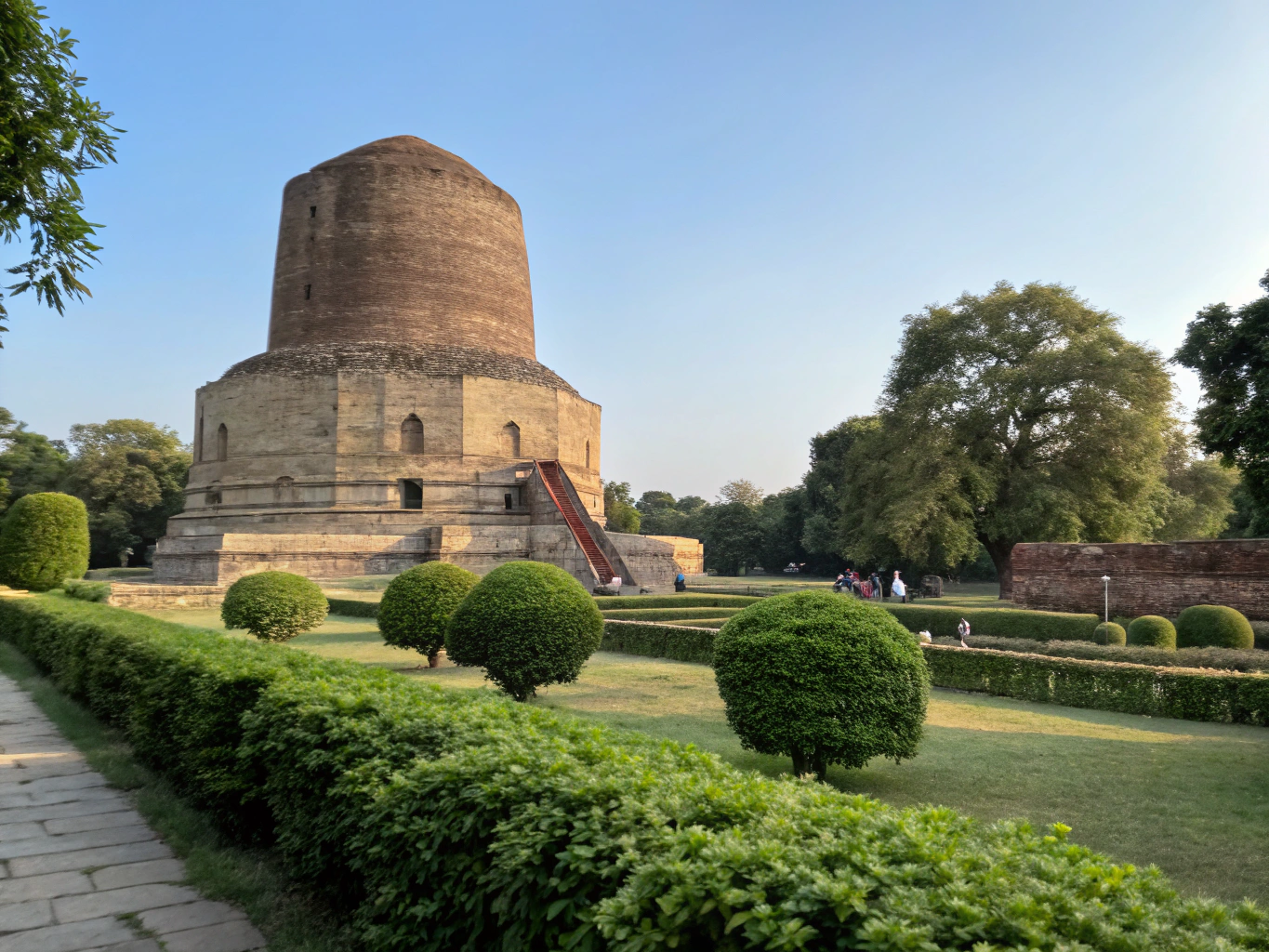
Gautama Buddha & The First Turning of the Wheel
Siddhartha Gautama achieves Bodhi beneath the Ficus religiosa at Bodh Gaya and delivers the Dhammacakkappavattana Sutta at Deer Park in Sarnath, setting forth the Middle Way and Four Noble Truths.

Confucius & The Ru School Teachings
Kong Fuzi emphasizes moral cultivation (Ren), ritual propriety (Li), filial piety (Xiao), and righteous governance during the social disintegration of the Spring and Autumn period in Lu State.
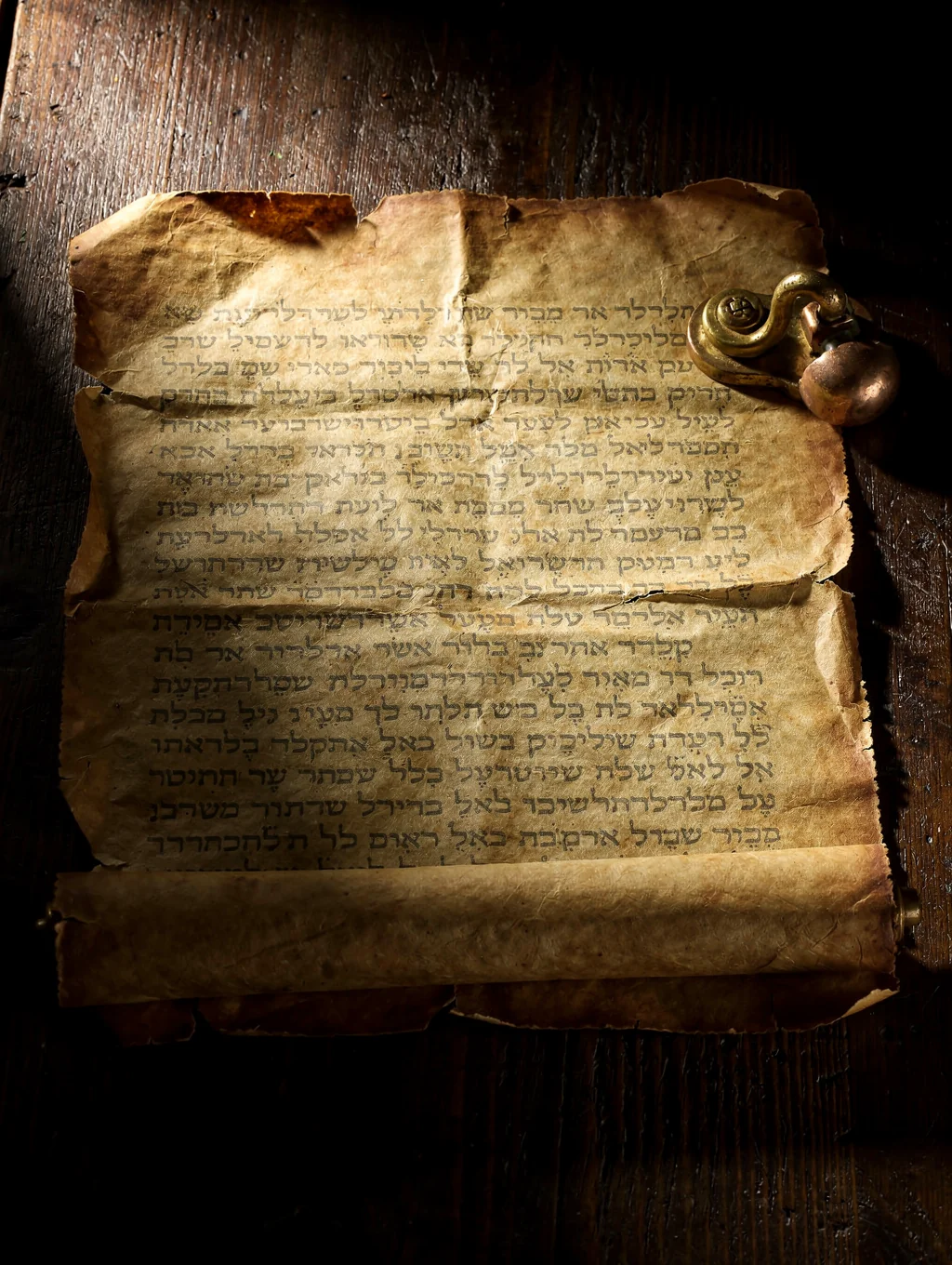
Discovery of the Dead Sea Scrolls at Qumran
Over 900 Hebrew, Aramaic, and Greek manuscripts discovered in eleven caves along the northwest shore of the Dead Sea, containing biblical texts, sectarian community rules, and apocalyptic works.
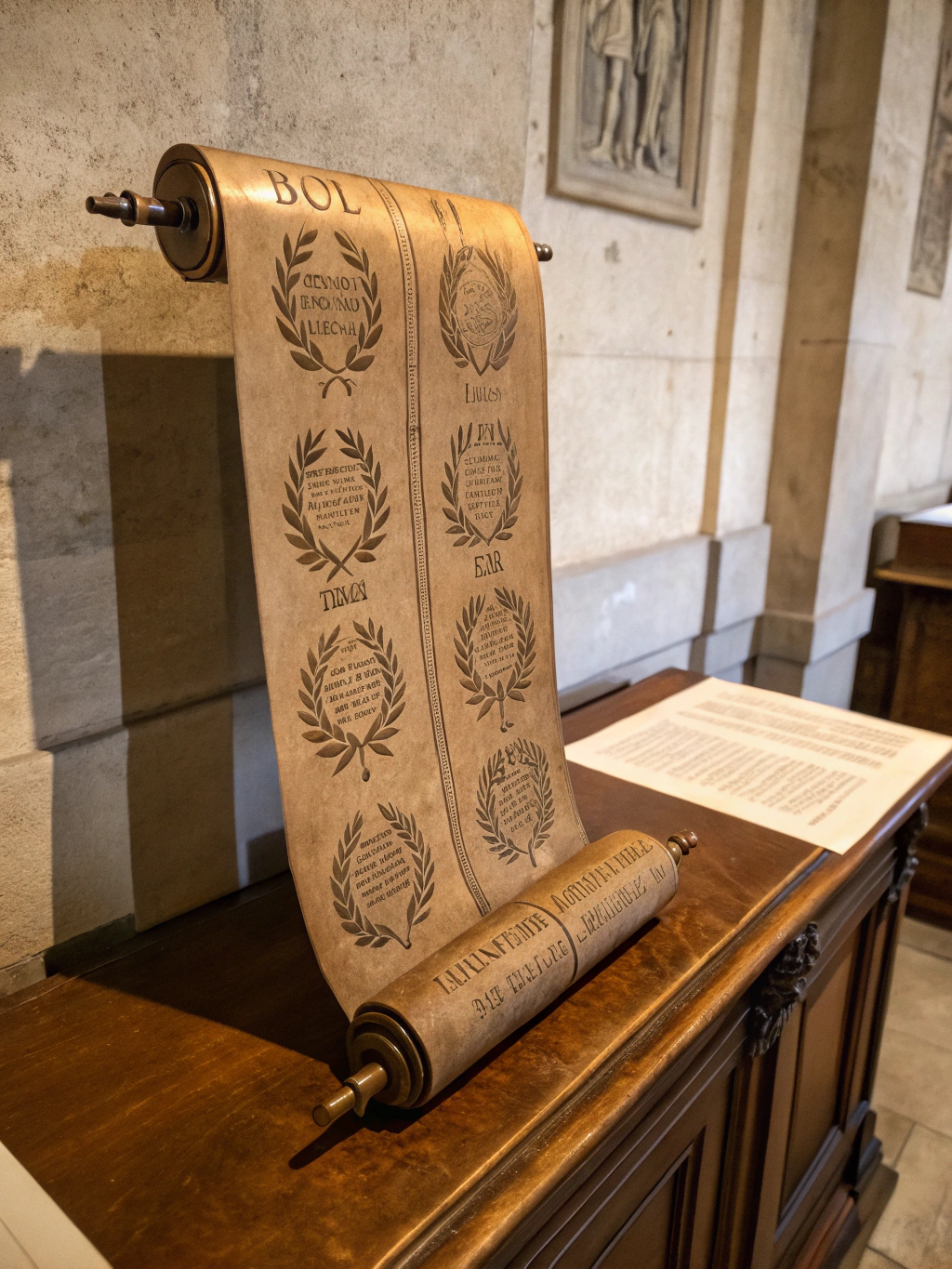
Constantine's Edict of Milan & Christian Legitimization
Emperors Constantine I and Licinius proclaim religious neutrality across the Roman Empire, terminating Diocletianic persecution, restoring confiscated property, and paving the way for the First Council of Nicaea (325 CE).
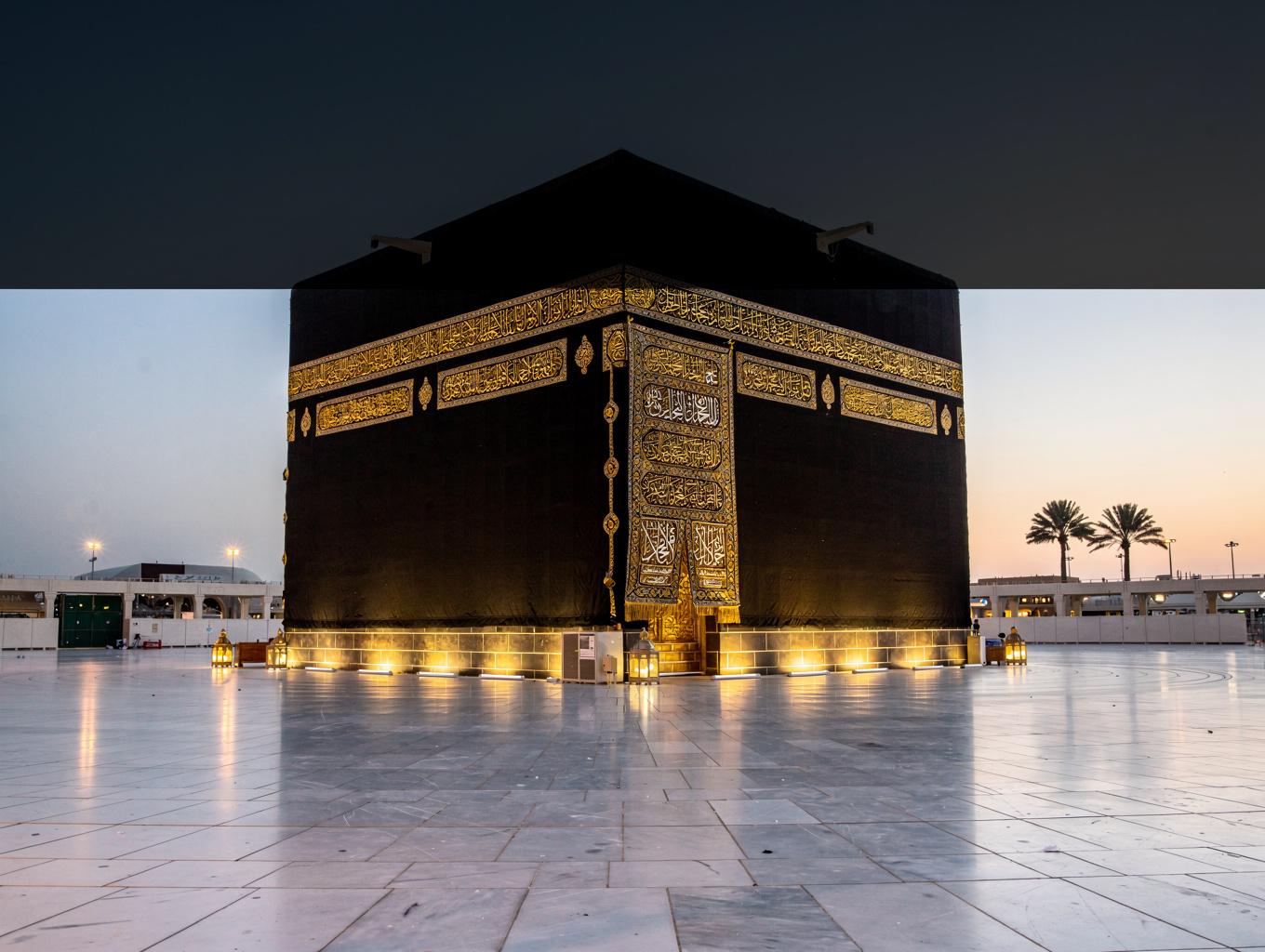
Prophet Muhammad & The Quranic Revelation in Mecca
Prophet Muhammad receives divine revelation through the Angel Jibril on Mount Hira, establishing Islamic monotheism (Tawhid), social justice reforms in Medina (Constitution of Medina), and unified Arabian peninsula.

Guru Nanak & The Foundation of Sikhism
Guru Nanak proclaims 'Na koi hindu, na koi musalman' ('There is no Hindu, there is no Muslim'), advocating devotion to the One Formless Divine (Ik Onkar), egalitarian community kitchens (Langar), and selfless service (Seva).

Gutenberg Printing Press & Scriptural Vernacularization
Johannes Gutenberg perfects movable lead alloy metal type in Mainz, producing 180 copies of the Latin Vulgate Bible, democratizing theological study and making the Protestant Reformation possible.
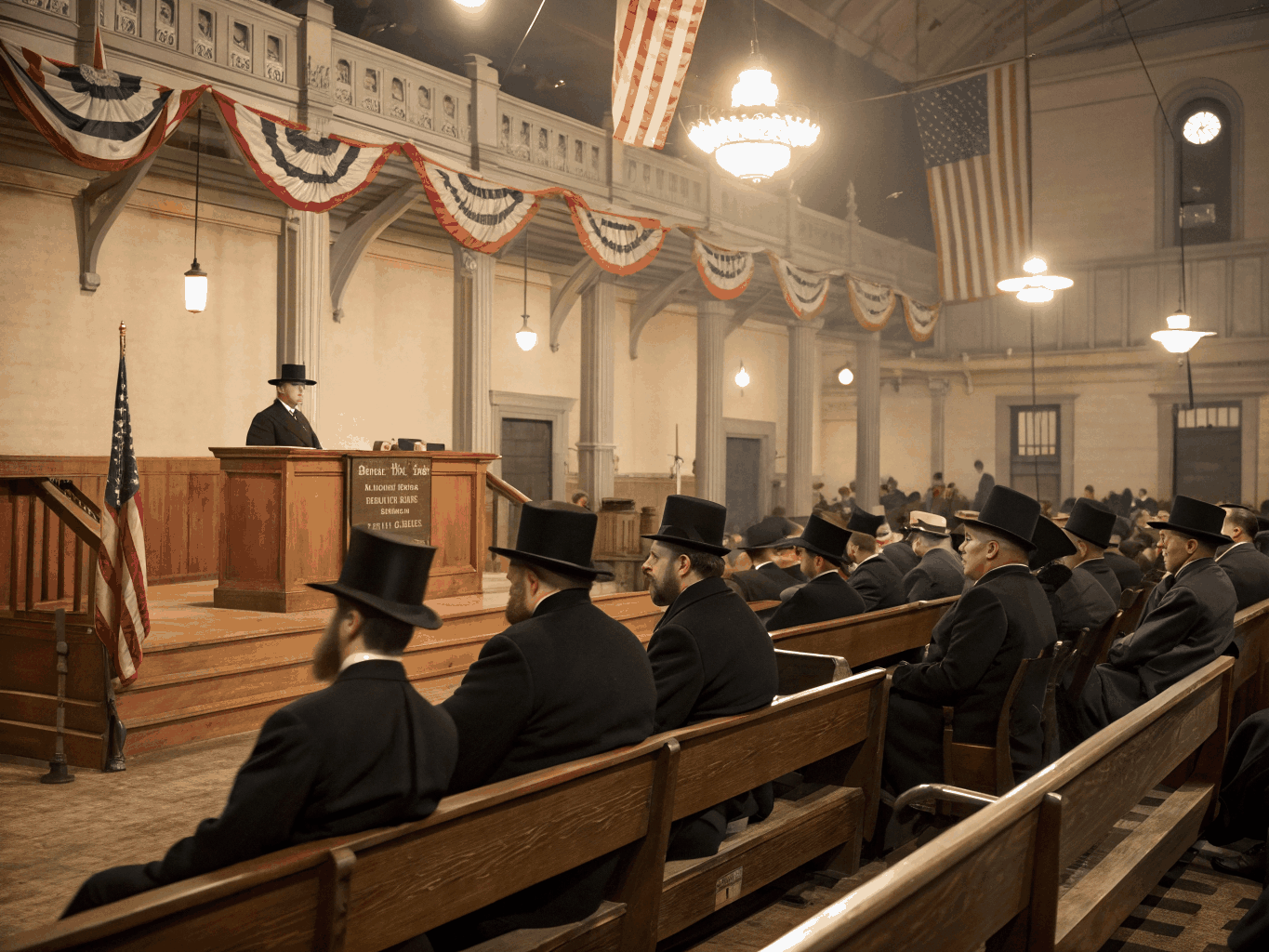
1893 Parliament of the World's Religions
Hosted at the World's Columbian Exposition in Chicago, this landmark congress marks the birth of modern interfaith dialogue where Swami Vivekananda, Anagarika Dharmapala, and representatives of world traditions convened on equal footing.
Continue Your Historical Research
Explore interconnected databases cross-referencing ancient manuscripts, archaeological stratigraphy, genealogical linkages, and comparative doctrinal matrices.
Stratified History of Human Belief.
Explore primary archaeological strata, evidentiary manuscripts, and simultaneous developments unfolding concurrently across ancient global civilizations.
Dead Sea Scrolls & Oxyrhynchus Papyri
Qumran Caves (Judean Desert) • 432 Hz (Resonant Mode)
Imperial Consolidation & Universalizing Faiths
Empire-spanning trade corridors enabling the rapid institutional transmission of Christianity, Rabbinic Judaism, Mahayana Buddhism, and Roman civic cults.
Vellum codices, marble inscriptions, and silk route bilingual scrolls
Roman Mediterranean, Kushan Empire, Han Dynasty, Sasanian Persia
c. 1–325 CE: Council of Nicaea, trans-Eurasian Silk Road exchange, and Kushan patronization of Gandharan Buddhist art.
Historiographical Consensus
"Trade routes transformed localized spiritual groups into standardized, textually anchored universal communities across thousands of kilometers."
Explore Full Classical Antiquity Deep-Dive
Complete primary source translations, archaeological maps, and lineage trees
Concurrent Developments Across Continents (1 CE)
What was unfolding simultaneously in disparate regions during the Classical Antiquity?
Roman Judea & Sasanian Mesopotamia
Near East & LevantHydraulic engineering, Roman concrete (pozzolana), and bound parchment codex.
Emergence of the Jesus movement, Early Christianity, and Rabbinic Talmudic academies.
Destruction of Jerusalem Temple (70 CE); compilation of the Mishnah in Yavne.