The Iron & Axial Age
An epochal pivot in human consciousness. Across separate Eurasian river valleys and city-states, humanity concurrently questioned sacrificial ritual, established systematic moral philosophy, and birthed enduring world religions.
Quick Facts & Historiographical Overview
Epoch Trajectory & Stratigraphic Claims
The historical catalyst, revolutionary core, and subsequent classical synthesis with documented citations.
The Late Bronze Age Collapse & Turmoil
The abrupt disintegration of Aegean, Anatolian, and Levantine palace economies fractured ancient global networks, setting the stage for decentralized iron metallurgy and new societal questions.
The Axial Philosophical & Spiritual Awakening
Karl Jaspers' seminal 'Axial Age'—a synchronous Eurasian breakthrough where independent thinkers shifted religion from sacrificial civic rituals to individual ethics, universal justice, and transcendent metaphysics.
Classical Imperial Synthesis & Canonization
Vast territorial empires (Rome, Han Dynasty, Maurya) codified these philosophical ideas into centralized state orthodoxies, imperial canons, and trans-continental missionary networks.
The Axial Philosophical & Spiritual Awakening
Karl Jaspers' seminal 'Axial Age'—a synchronous Eurasian breakthrough where independent thinkers shifted religion from sacrificial civic rituals to individual ethics, universal justice, and transcendent metaphysics.
Claims in this stratum are categorized according to physical archaeological finds, epigraphical records, and historiographical models.
Foundational Axial Sources & Holding Locations
Expanded citations for the earliest physical manuscripts, stone edicts, and literary strata documenting the Axial transformation.
Ashokan Edicts (Major Rock Edict XII & XIII)
Historical Significance: Enacted state-level religious pluralism, remorse for the Kalinga War, and missionary dispatch to Hellenistic rulers (Antiochus, Ptolemy, Antigonus).
Hebrew Prophetic Corpus (Amos, Micah, Isaiah)
Historical Significance: Earliest continuous literary testimony of ethical monotheism, repudiating blood sacrifices lacking socio-legal righteousness.
Early Platonic Dialogues (Apology, Crito, Phaedo)
Historical Significance: Pioneered the dialectical method, systematic epistemological scrutiny of civic gods, and the philosophic defense of moral conscience over state coercion.
Confucian Analects (Lunyu) & Guodian Chu Slips
Historical Significance: Excavated bamboo scripts demonstrating that the humanistic moral virtues of Ren (benevolence) and Li (ritual) were systematized by the Warring States period.
Principal Upanishads (Brihadaranyaka & Chandogya)
Historical Significance: Philosophical departure from sacrificial fire rites (Yajna) to identity between Atman (inner self) and Brahman (universal reality).
Transformative Figures of the Awakening
Thinkers who challenged state ritualism with interior ethics, cosmic order, and the pursuit of ultimate truth.
Introduced cosmic dualism between Ahura Mazda (Truth/Light) and Angra Mainyu (Deceit), emphasizing human free will through 'Good Thoughts, Good Words, Good Deeds'.
Challenged mere ritual sacrifice, declaring that the God of Israel demanded covenantal justice, protection for the vulnerable, and moral righteousness.
Formulated the Four Noble Truths and the Eightfold Path, diagnosing suffering (dukkha) and offering a non-theistic method for psychological liberation (nirvana).
Revitalized Jain asceticism around radical Ahimsa (non-violence to all life), Anekantavada (multiplicity of truth), and strict spiritual discipline.
Proposed social restoration through filial piety (Xiao), ritual propriety (Li), benevolence (Ren), and governance guided by moral exemplary leaders (Junzi).
Articulated the elusive Dao (the natural Way of the cosmos), championing effortless action (Wu Wei), spontaneity, and harmony with natural flow.
Shifted inquiry from pre-Socratic cosmology to dialectical questioning, virtue ethics, the immortal soul, and metaphysical Forms of the Good.
The Imperial Frameworks (c. 900 – 200 BCE)
The kingdoms and empires whose rise, conquests, and policies shaped religious diffusion.
Achaemenid Persian Empire
Pioneered imperial tolerance under Cyrus the Great; allowed exiled Judeans to return and rebuild the Jerusalem Temple; spread Zoroastrian royal motifs.
Neo-Assyrian & Neo-Babylonian
Enforced mass deportations that catalyzed the compilation and theological refinement of the Hebrew biblical scriptures during the Babylonian Exile.
Magadha & Mahajanapadas
Urbanization along the Ganges plain nurtured heterodox Sramana movements, directly fostering the environment where Buddhism and Jainism flourished.
Eastern Zhou Dynasty (Spring & Autumn / Warring States)
A golden age of intellectual debate known as the 'Hundred Schools of Thought', wrestling with how to achieve social order amid constant feudal war.
Classical Greek Poleis (Athens, Sparta)
Incubated democratic experimentations, civic theater, rational discourse, and the critical separation of natural science from mythological theology.
What Was Happening Elsewhere?
While Eurasian thinkers constructed philosophical canons, distinct developments were shaping societies across the Mediterranean, the Near East, the Americas, and beyond.
The Mediterranean (Greece & Aegean)
Historically DocumentedTransitioned from heroic Homeric myths to rationalist epistemology, citizen assemblies, and institutionalized tragedy examining human agency and cosmic fate.
The Near East & Levant
Archaeological EvidenceConfrontation with Assyrian, Babylonian, and Persian overlordship catalyzed the codification of the Torah, prophetic ethical literature, and Zoroastrian state sponsorship.
South Asia (Indo-Gangetic Plain)
Scholarly InterpretationPhilosophical departure from formal Vedic fire rituals toward questions of Karma, Samsara, Moksha, and monastic renunciation paths.
East Asia (Yellow & Yangtze River Basins)
Archaeological EvidenceScholars traveled between warring courts offering competing statecraft formulas, moral self-cultivation frameworks, and cosmological models.
Mesoamerica (Gulf Coast Lowlands)
Archaeological EvidenceConcurrent emergence of Mesoamerica's foundational 'mother culture', building monumental stone heads, sacred earthen pyramids, and complex shamanic were-jaguar iconography.
Deepen Your Cross-Tradition Research
Compare scriptures, geographic hubs, and archaeological evidence side-by-side.
Academic Bibliography & Historiographical Sources
Foundational articulation of the Axial Age thesis (Achsenzeit) across Greece, Israel, India, and China.
Comprehensive evolutionary sociology integrating biological ritual, narrative, and theoretic culture.
Multi-disciplinary scholarly assessment of institutional and transcendental shifts in ancient civilizations.
Comparative thematic analysis of compassion, violence, and interiority in Axial Age spiritual movements.
Historical investigation into Hellenistic encounters with Celts, Jews, Persians, and Romans.
Critical epigraphical catalog and physical provenance mapping of all extant Ashokan rock and pillar inscriptions.
Ancient Civilizations Deep Dive
Examine verified material culture, monumental sanctuaries, writing systems, canonical scriptures, and key archaeological discoveries that shaped early religious history.
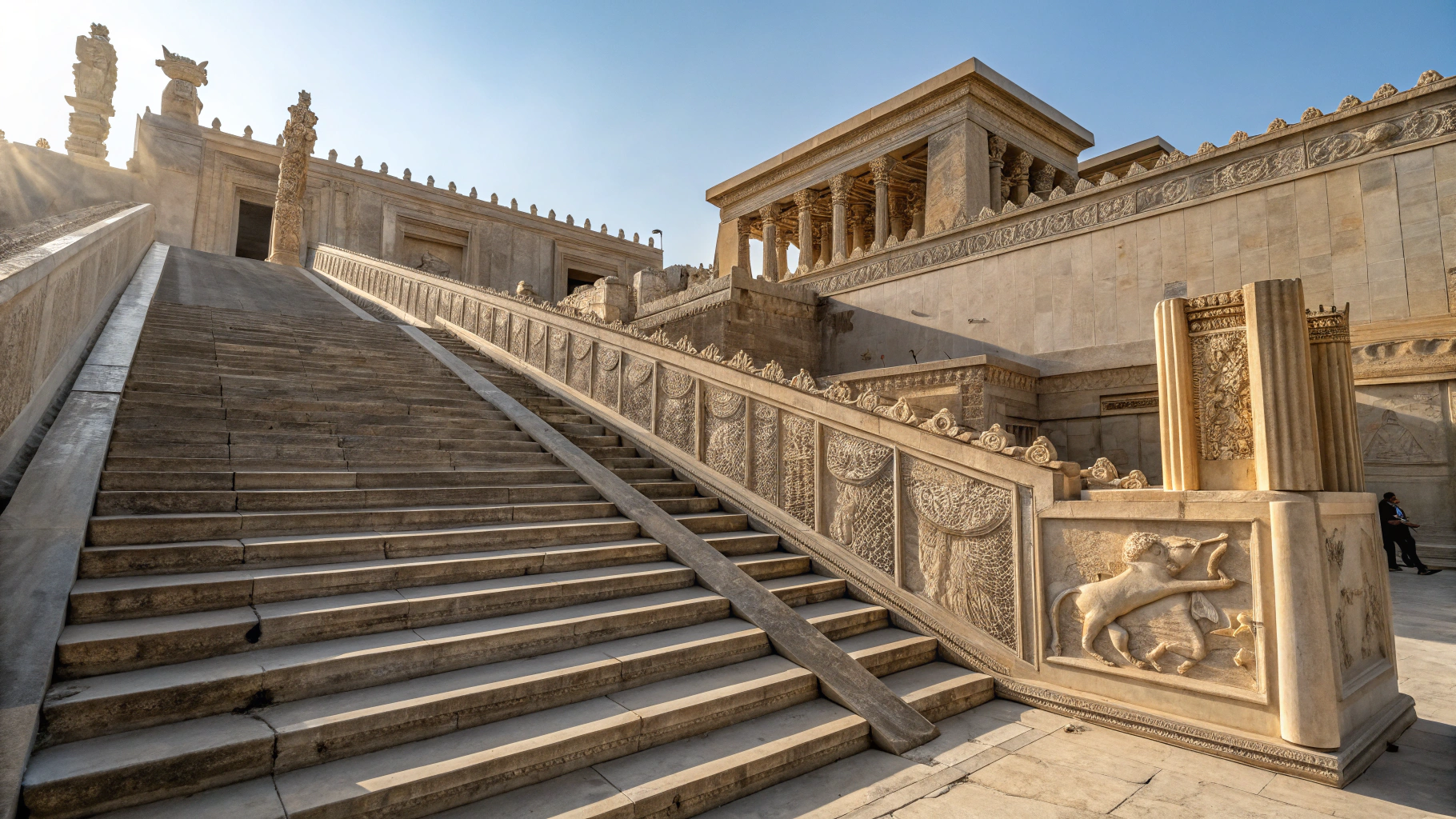
The ceremonial capital of Darius I and Xerxes I, featuring grand Apadana columned halls, bas-relief processions representing twenty-three tributary nations, and Zoroastrian Faravahar iconography carved directly into limestone terraces.
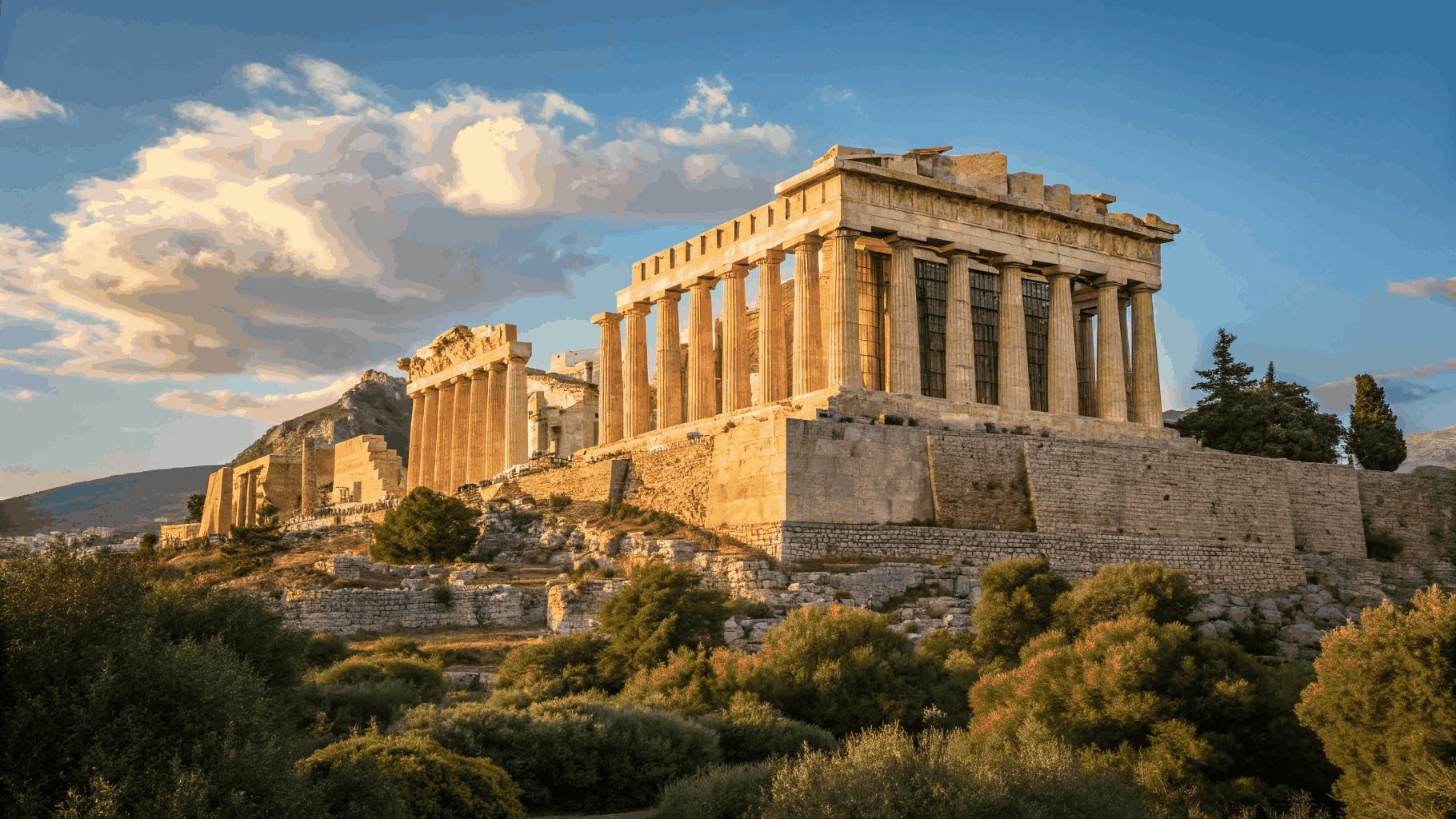
Constructed under Pericles and engineered by Ictinus and Callicrates with sculptures directed by Phidias. Incorporates subtle optical corrections (entasis) and monumental chryselephantine sanctuary spaces.
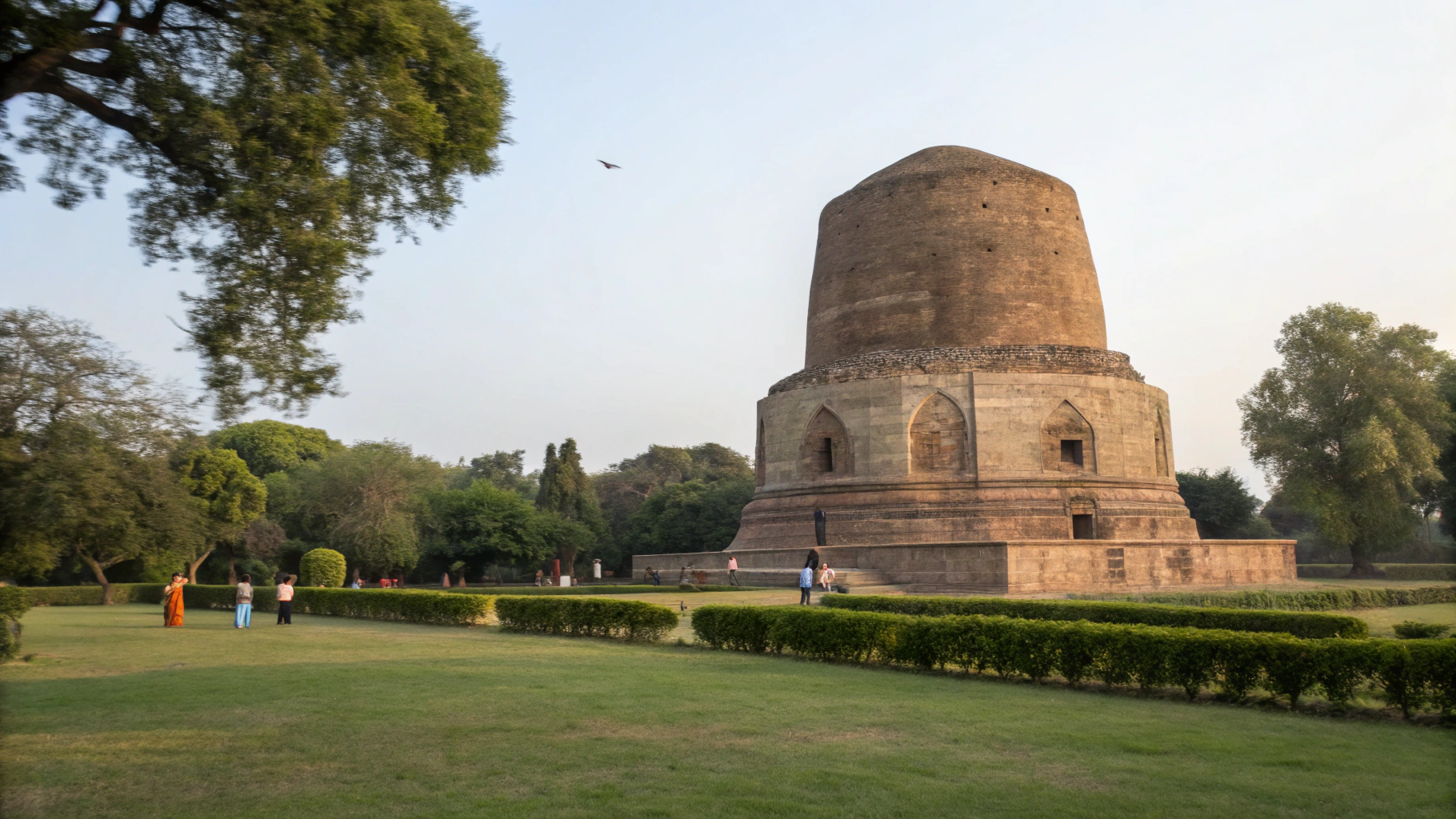
Commissioned initially by Emperor Ashoka the Great over relics of Gautama Buddha. Features four elaborately sculpted torana gateways narrating Jataka tales, Buddhist dharma wheels, and aniconic representations.
Scholarly Bibliography & Primary Sources
Peer-reviewed historical treatises, epigraphical corpora, and archaeological field excavation reports.
Related Learning
Continue exploring connected Axial Age traditions, surrounding chronological eras, and research tools.