The Medieval Epoch: Synthesis & Global Diffusion
An academic inquiry into the thousand-year transformation of global religions—from the emergence of the Islamic Caliphates and Latin cathedral universities to the blossoming of Bhakti, Zen, and Indian Ocean trade networks.
Near East, North Africa, Western & Eastern Europe, East Asia, South Asia, Mesoamerica, and West Africa
c. 500 CE – 1500 CE (High Medieval Era: c. 800 – 1200 CE)
Prophet Muhammad, Thomas Aquinas, Anselm, Peter Abelard, Zhu Xi, Mansa Musa, Alvars, Nayanars, Dogen, Rinzai, Kabir
Quran, Hadith, Summa Theologiae, Rule of Saint Benedict, Corpus Juris Civilis, Philokalia, Zhu Xi's Four Books, Platform Sutra, Dresden Codex, Timbuktu Manuscripts
Global diffusion spanning the Middle East, Europe, Africa, Asia, and the Americas
Historical Epoch Trajectory
Compare preceding frameworks, medieval developments, and post-medieval shifts.
Emergence of foundational philosophical texts, classical pantheons, early Christian consolidation in Rome, and the widespread establishment of Silk Road trade networks across Eurasia.
Greco-Roman civic cults, Gupta Golden Age, Han Dynasty Confucianism, early Ashokan Buddhist edicts.
Rise and expansion of Islamic intellectual traditions, Christian cathedral schools and scholasticism, trans-Saharan and Indian Ocean seafaring commerce, alongside the rise of Bhakti movements and Chan/Zen monastic orders.
House of Wisdom translation movement, High Medieval universities, Song Neo-Confucianism, Chola naval commerce, Mali trans-Saharan wealth.
The European Protestant Reformation, print press explosion, Ming-Qing transition, Safavid/Ottoman/Mughal gunpowder empires, and transatlantic cultural shifts.
Gutenberg printing revolution, Counter-Reformation, Sikh Guru lineage, Atlantic exchanges, Tokugawa neo-Confucian policies.
Four Pillars of the Medieval Transition
Critical movements that reorganized geographic centers of gravity, transmission technologies, and personal devotion.
Originating in 7th-century Arabia with Prophet Muhammad, the Islamic tradition established a continuous scientific and theological ecosystem from Cordoba to Samarkand, bridging Euclidean geometry, medicine, and philosophy.
Transition from isolated monastic scriptoria to cathedral schools and self-governing university corporations (universitates), culminating in rigorous dialectical theology and Gothic structural engineering.
In South Asia, the Bhakti poetry movement democratized religious expression through vernacular languages. Concurrently in East Asia, Chan/Zen Buddhism emphasized direct contemplative practice across monasteries.
Caravan corridors across the Sahara transmitted Islam to Mali and Ghana, while Indian Ocean dhow networks connected Swahili city-states, Gujarat, and the Indonesian archipelago in mutual commerce and cultural exchange.
Geographic Spheres of the Middle Ages
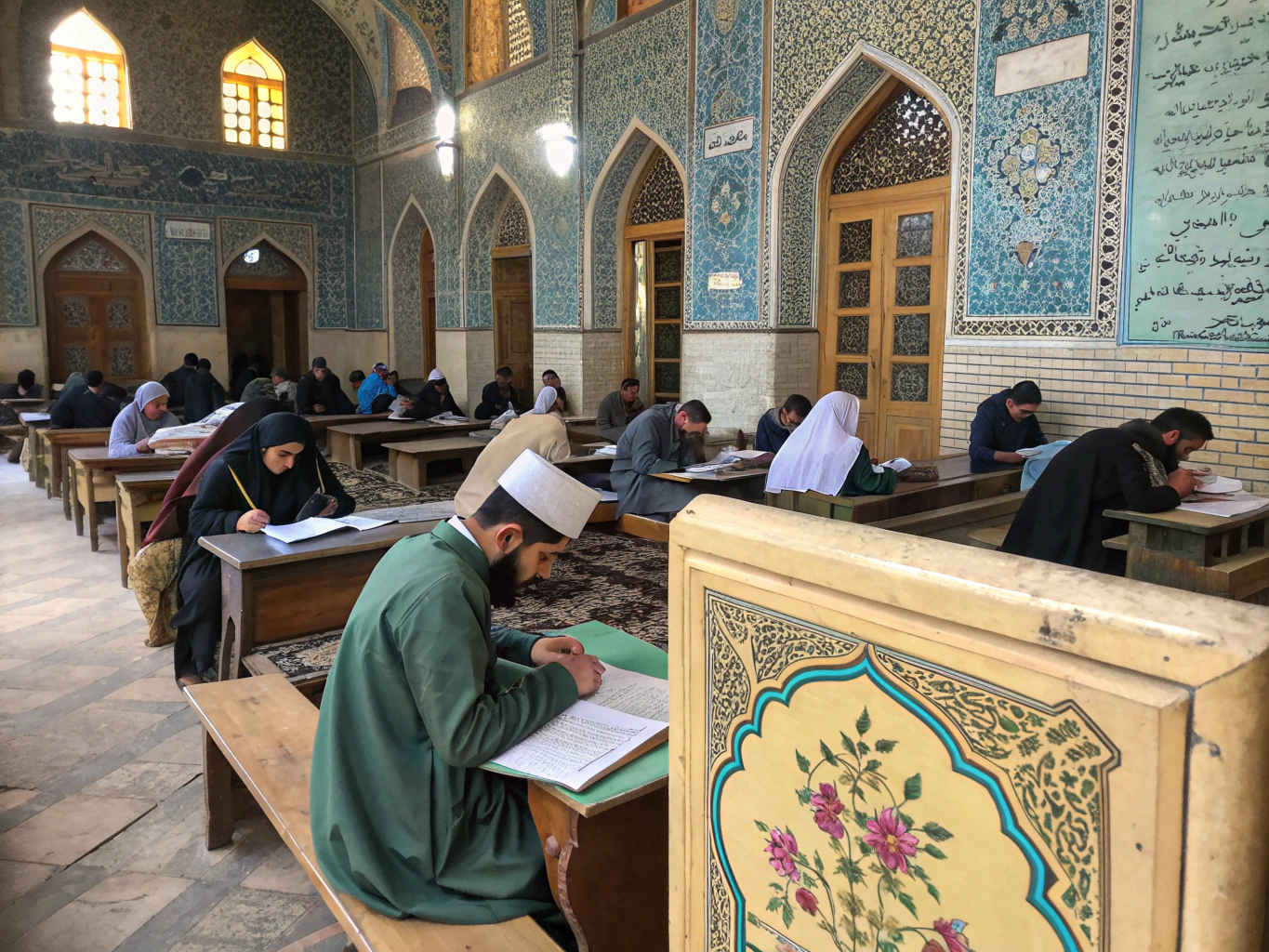
Islamic World & Caliphates
The revelation of the Quran and the rapid institutional consolidation of the Umayyad and Abbasid Caliphates gave rise to the Islamic Golden Age. Baghdad's Bayt al-Hikma (House of Wisdom) synthesized Hellenistic, Persian, and Sanskrit scientific texts.
What Was Happening Elsewhere? (c. 800 – 1200 CE)
Cross-sectional analysis of simultaneous intellectual capitals, religious orientations, and archaeological consensus across major world regions during the High Middle Ages.
| Global Hub & Realm | Dominant Religious Tradition | Major Intellectual Monument | Trade & Maritime Network | Archaeological Consensus |
|---|---|---|---|---|
Baghdad (Abbasid) Islamic Caliphate (c. 762 – 1258 CE) | Sunni Islam (Mu'tazilite / Ash'ari theology) & Sufism | House of Wisdom (Bayt al-Hikma), Nizamiyya Madrasas | Silk Road terminal, Persian Gulf maritime routes, Trans-Eurasian paper trade | Confirmed multi-faith translation hub with Hellenistic and Sanskrit manuscripts. |
Constantinople (Byzantine) Eastern Roman Empire (c. 330 – 1453 CE) | Eastern Orthodox Christianity | Imperial University of Constantinople (Pandidakterion) & Hagia Sophia | Black Sea grain trade, Varangian water routes, Silk Road gateway to Europe | Extensive surviving epigraphy, liturgical architecture, and imperial seals. |
Kaifeng & Hangzhou (Song) Imperial Song Dynasty (c. 960 – 1279 CE) | Neo-Confucianism, Chan Buddhism & Daoism | Donglin Academy, Woodblock Printing bureaus, Astronomical Clock Towers | Grand Canal navigation, Maritime Silk Road via Quanzhou to the Persian Gulf | Proven movable ceramic type inventions and widespread paper fiat currency artifacts. |
Thanjavur (Chola) Imperial Chola Dynasty (c. 848 – 1279 CE) | Shaivism, Vaishnavism & Theravada Buddhism links | Brihadisvara Granite Complex & Tamil literary academies | Strait of Malacca maritime dominance, Sri Lanka tribute routes, Song trade missions | Copper-plate inscriptions (Tamra-shasana) verifying international naval expeditions. |
Great Zimbabwe Kingdom of Zimbabwe (c. 1100 – 1450 CE) | Bantu Spiritual Cosmology & Ancestral Veneration (Mwari cult) | Dry-stone monumental Great Enclosure and Conical Tower | Indian Ocean gold and ivory export via Sofala to Arabian and Indian merchants | Persian faience and Chinese celadon sherds uncovered in royal monumental enclosures. |
Tikal & Palenque (Maya) Classic Maya Polities (c. 250 – 900 CE) | Mesoamerican Polytheistic Cosmology & Divine Kingship (K'uhul Ajaw) | Hieroglyphic Stairway of Copan & Palenque Funerary Pyramids | Highland obsidian and quetzal feather networks through Caribbean coastal waterways | Deciphered phonetic hieroglyphs establishing precise astronomical long-count calendars. |
Methodology & Historiographical Transparency
Roots of Religion distinguishes between peer-reviewed historical documentation, archaeological artifact evidence, and internal religious faith traditions. Read our source citations, manuscript collections, and scholarly consensus notes.
The Medieval World: Faith, Knowledge & Society
Examine the pivotal millennium that shaped human civilization through sacred scriptoria, astronomical breakthroughs, guild architectures, and high scholastic dialogues across continents.
Primary Textual Witnesses & Scriptoriums
Parchments, uncial codices, and illuminated scrolls preserved through monastic and court libraries.
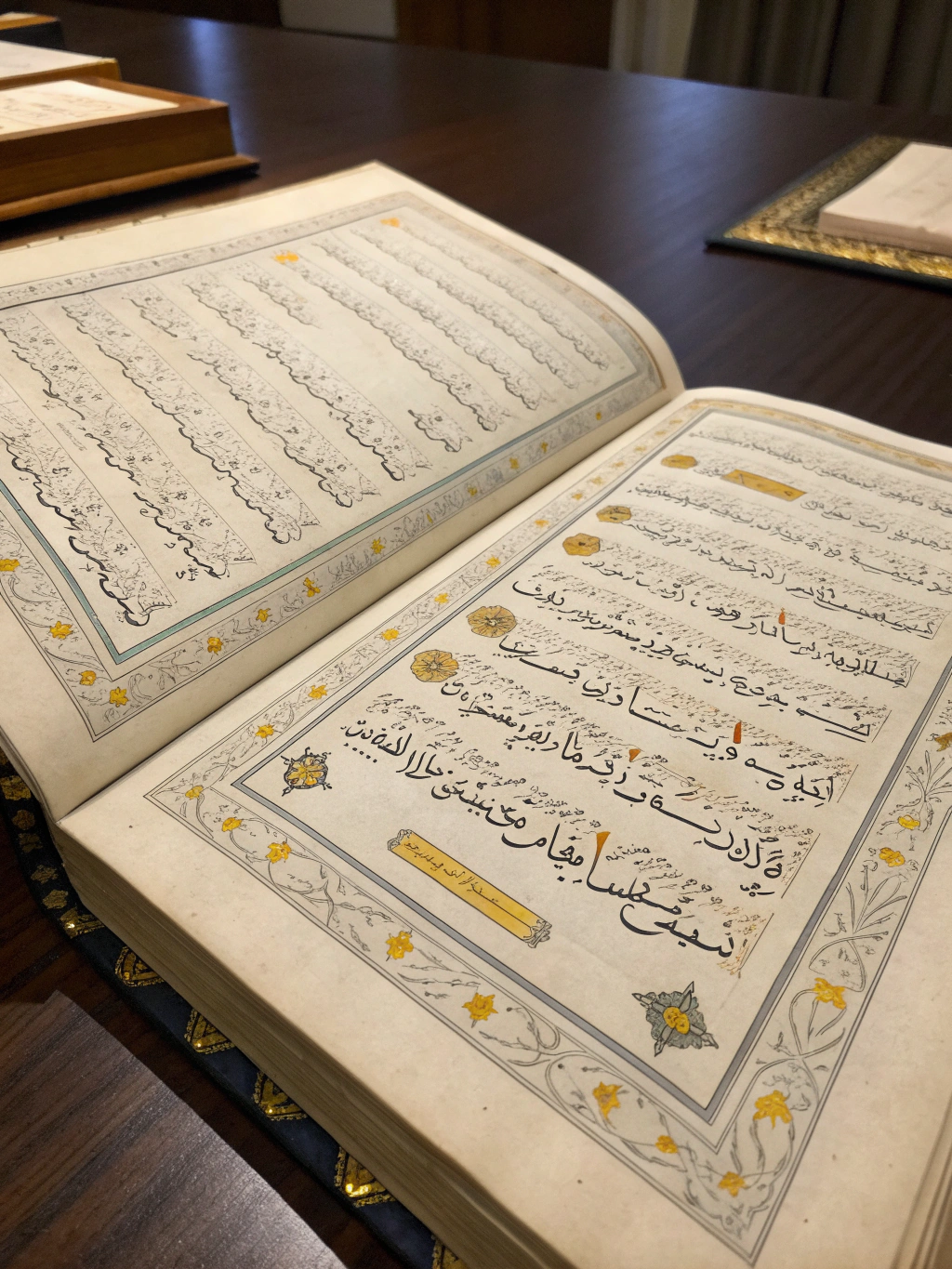
Radiocarbon dating places this manuscript parchment among the earliest surviving Quranic fragments in the world, inscribed in early Hijazi script.

One of the four great uncial codices containing the Christian Bible in Greek, preserved through continuous monastic maintenance throughout the Middle Ages.
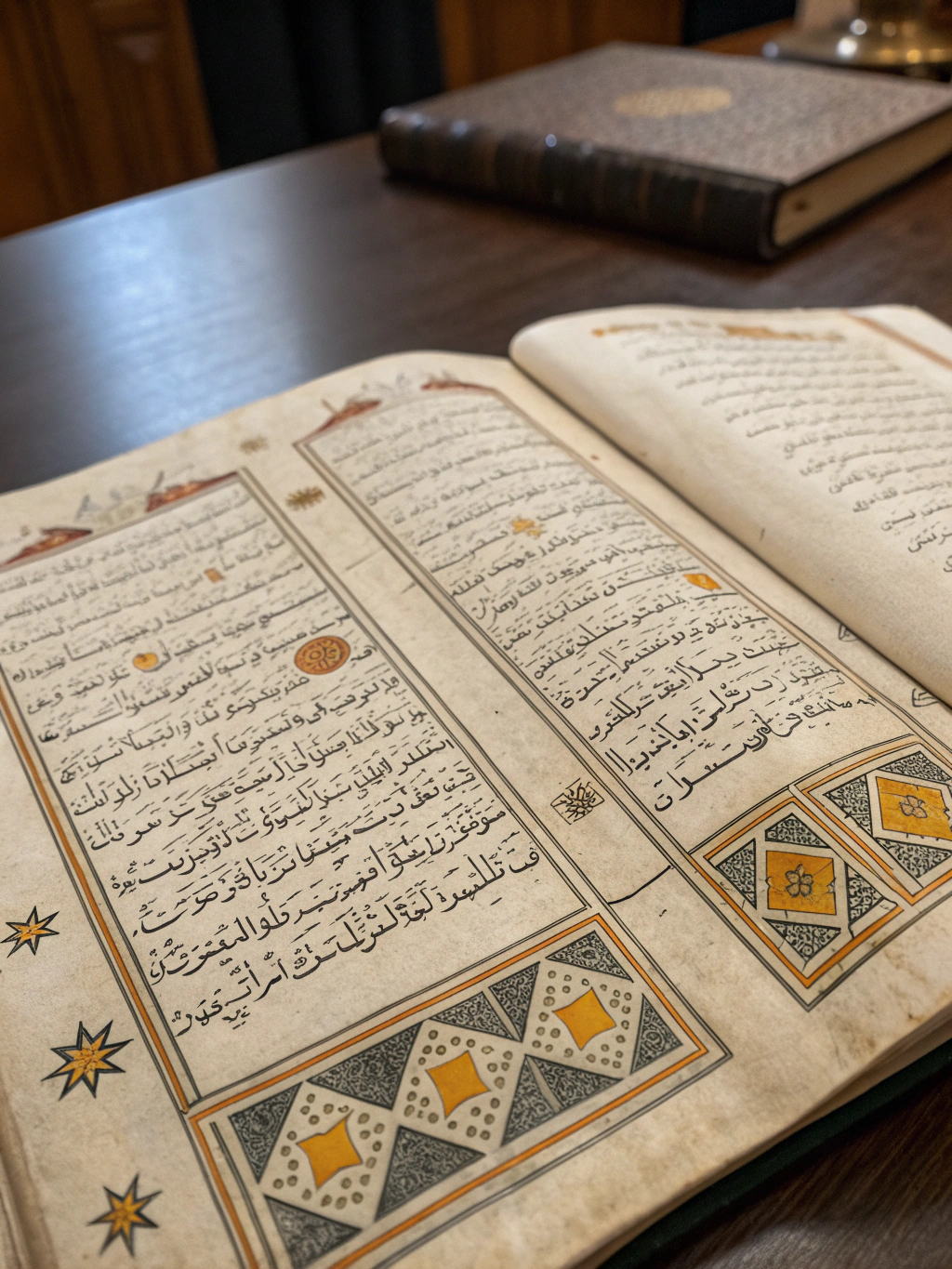
A monumental two-layer parchment with erased lower text (Scriptura inferior) and visible upper text reflecting standard Uthmanic traditions.
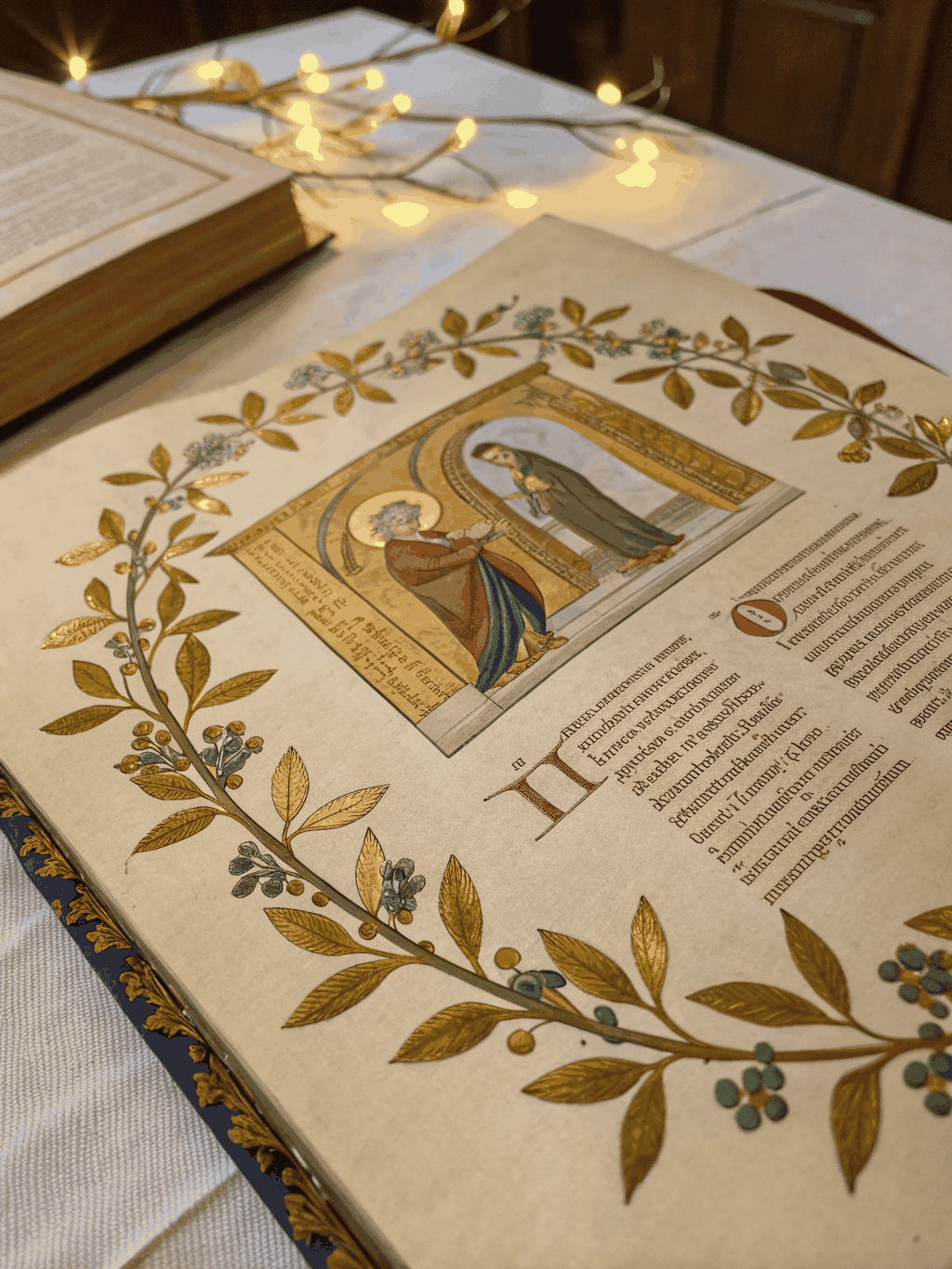
An insular masterpiece created by the monk Eadfrith on Holy Island, fusing Anglo-Saxon, Celtic, and Mediterranean artistic idioms.
Connected Tradition Archives
Dive deeper into specific religious lineages and primary historical records.
Related Learning
Explore connected traditions, preceding and following eras, and comparative historiography.