Macro-Chronology of Religion

From Paleolithic Altars to Universal Faiths

Trace the long-term cognitive and cultural evolution of human religious consciousness. Grounding each major epoch in peer-reviewed archaeology, dating methods, and ancient inscriptions.
100,000+ Years of Human Ritual 5 Key Developmental Epochs Scholarly Evidence-Based
c. 100,000 – 12,000 BCEThreshold 01
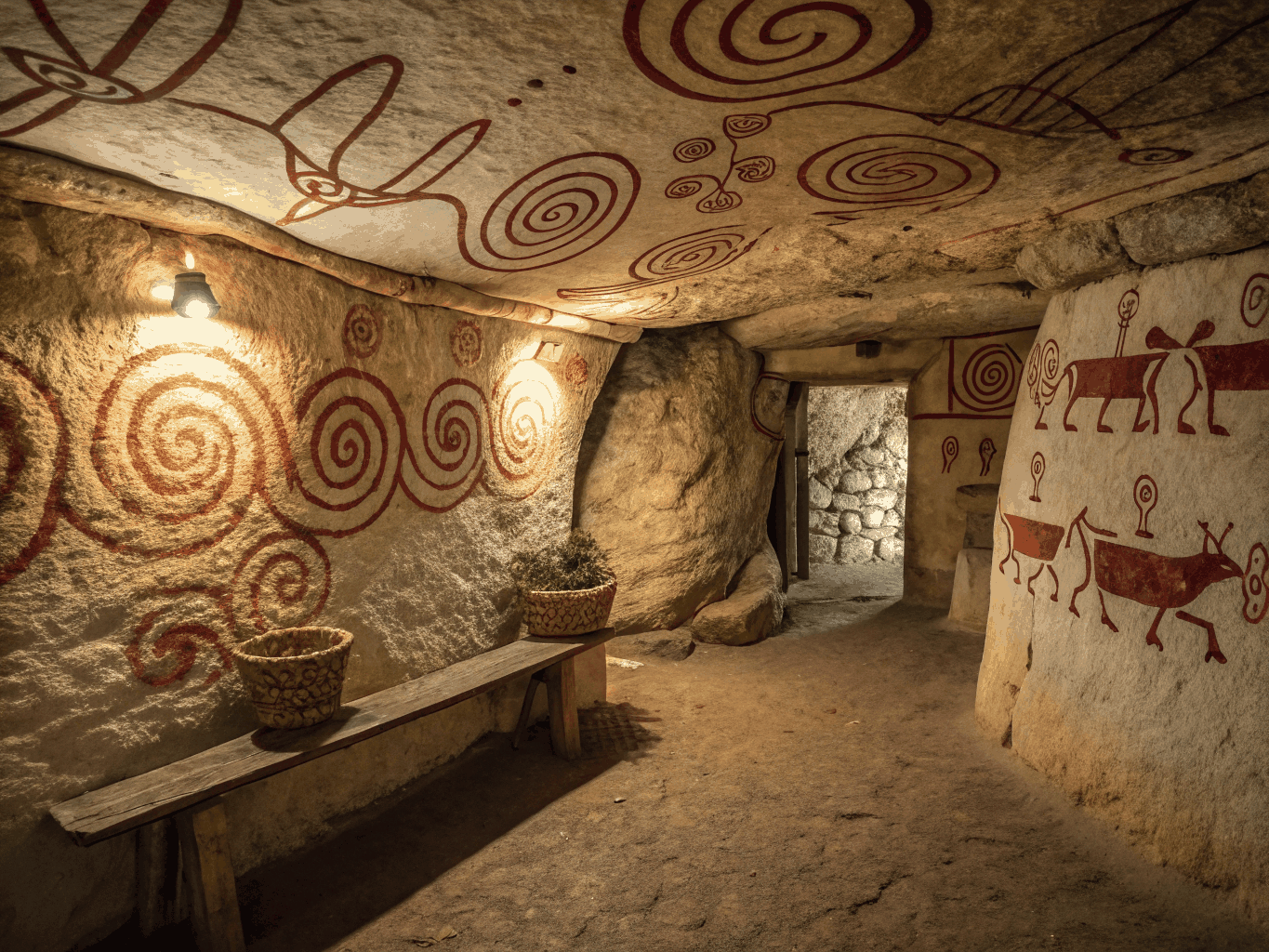
Paleolithic cave art depicting symbolic figures and animal spirits

Key Sites & Material Evidence

Sunghir & Qafzeh Burials, Chauvet & Lascaux Caves, Venus Figurines

Evolutionary Threshold

The Genesis of Symbolic Behavior & Mortuary Care

Long before written records, anatomically modern humans and Neanderthals performed intentional mortuary practices. Skeletons dusted with red ochre and accompanied by bead necklaces indicate a cognitive awareness of mortality and the symbolic preservation of the dead.

Core Conceptual Transformation

Transition from biological survival to deliberate symbolic ritual, ochre burials, and animal-totem parietal art.

Explore related civilizations & database profiles in our full catalog.
Key Turning Points

Sequential Thresholds in World Religious History

A rapid chronological overview connecting Paleolithic intentional burials to classical scriptural traditions.

100,000 BCEPaleolithic

Symbolic Ochre & Grave Goods

Earliest clear evidence of ritual grave ornamentation in the Levant and Africa.

9,600 BCENeolithic

Sanctuary of Göbekli Tepe

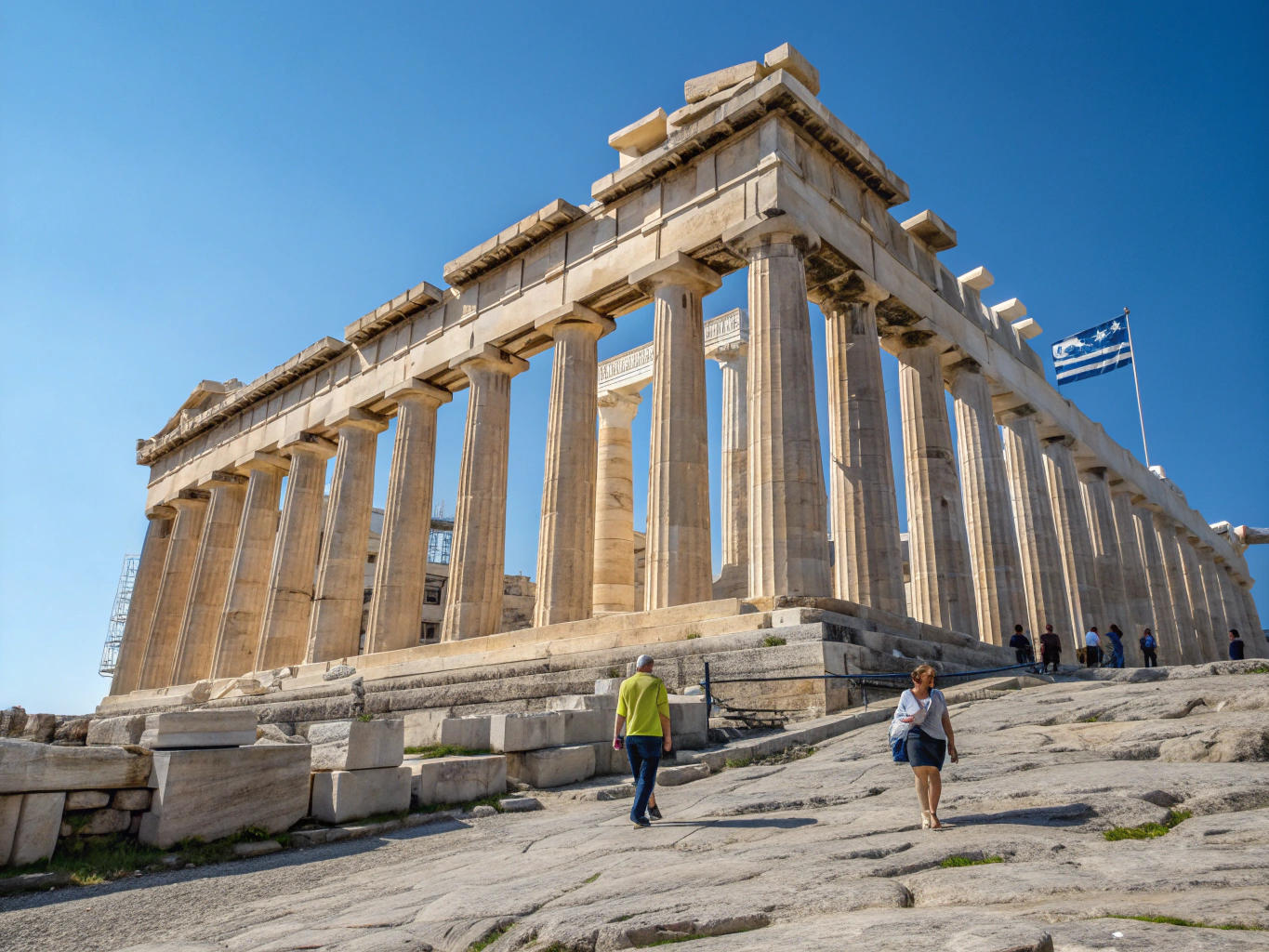
Hunter-gatherers construct monumental megalithic stone enclosures in Anatolia.

3,100 BCEBronze Age

Earliest Written Cuneiform & Hieroglyphs

Formalization of state religion, myth cycles, and funerary spells in the Near East.

c. 1,500 – 1,000 BCEEarly Iron Age

Vedic Rigveda & Early Levantine Yahwism

Oral preservation of the Vedic hymns; early Iron Age tribal cults in Canaan.

c. 6th – 5th Century BCEAxial Age

The Buddha, Confucius & the Prophets

Intense era of intellectual reform: Upanishadic philosophy, early Buddhism, and prophetic monotheism.

1st – 7th Century CEClassical Era

Global Scriptural Expansions

Emergence of Christianity and Islam; consolidation of the Talmud and Mahayana Sutras.

Compare Historical Eras Side-by-Side

Understand how geographic isolation, trade routes, and textual traditions shaped belief systems across ancient Mesopotamia, Egypt, Greece, India, and China.

Interactive Historical Atlas

Chronological Era Timeline

Follow the emergence, convergence, and evolution of global beliefs and ancient civilizations across major epochs of human history.

Filter by EraShowing 12 landmark records

All Eras

3500 BCE – Present

The complete evolutionary timeline of global religious history and human belief.
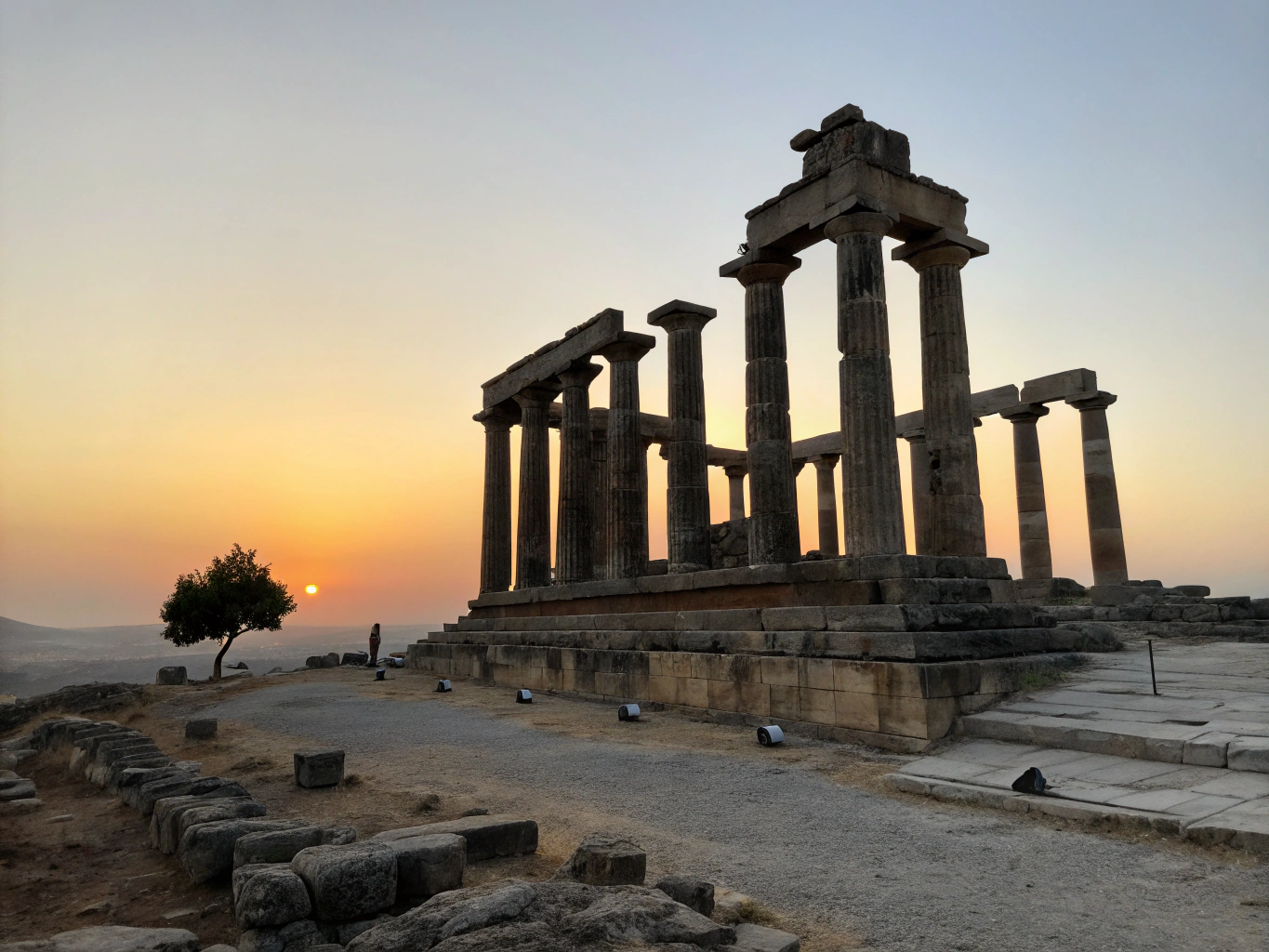
Gobekli Tepe Ritual Sanctuary
c. 10,000 BCEReligion
Southeastern Anatolia
Prehistoric TraditionsArchaeological Evidence
Gobekli Tepe Ritual Sanctuary
Massive carved stone pillars indicating communal ceremonial gatherings prior to agricultural settlements.
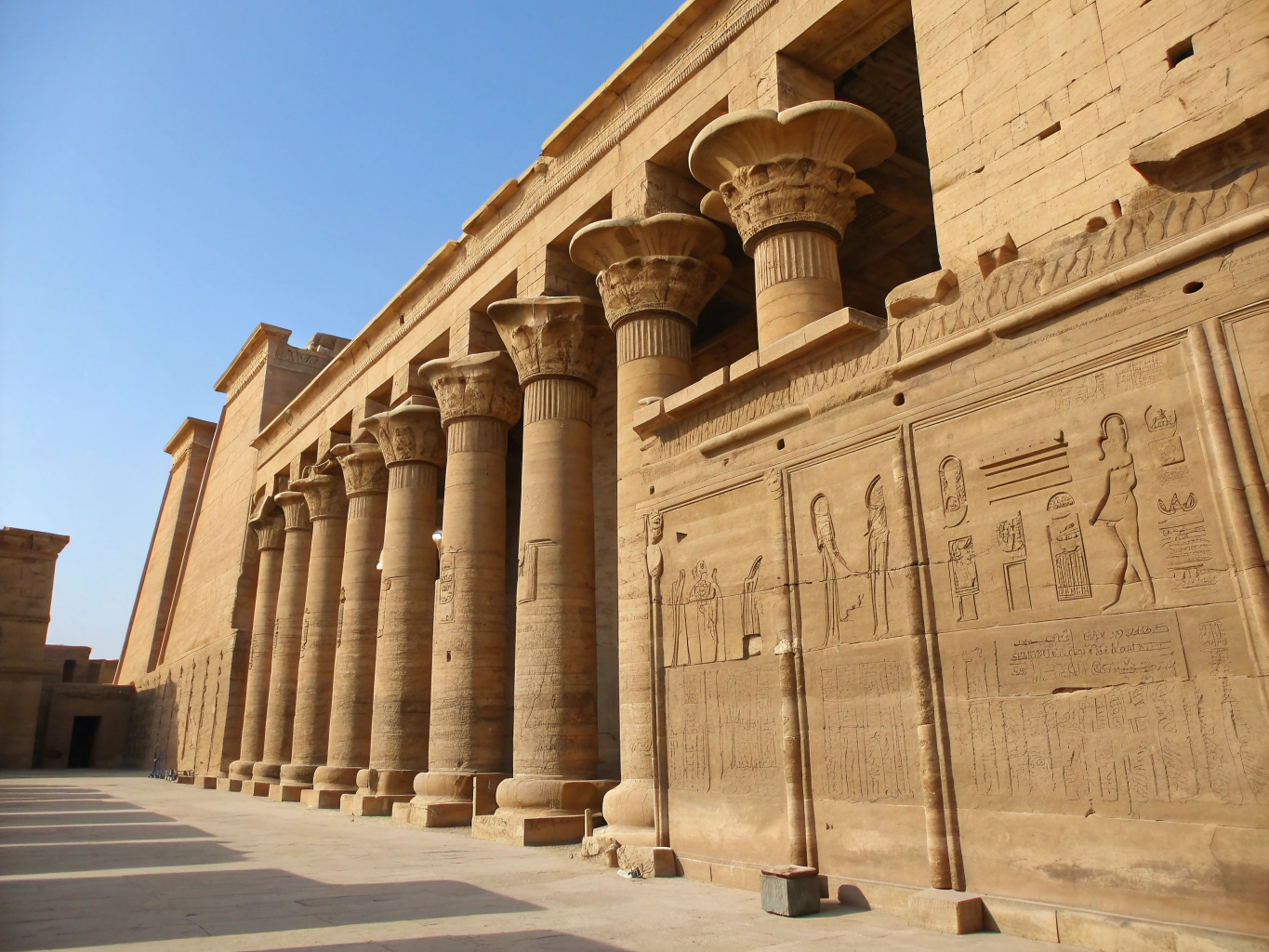
Egyptian Divine Kingship & Pyramid Texts
c. 3100 BCECivilization
Nile Valley
Ancient EgyptHieroglyphic Inscriptions
Egyptian Divine Kingship & Pyramid Texts
Codification of afterlife rituals, the Osiris-Horus myth cycle, and monument building honoring the solar deities.
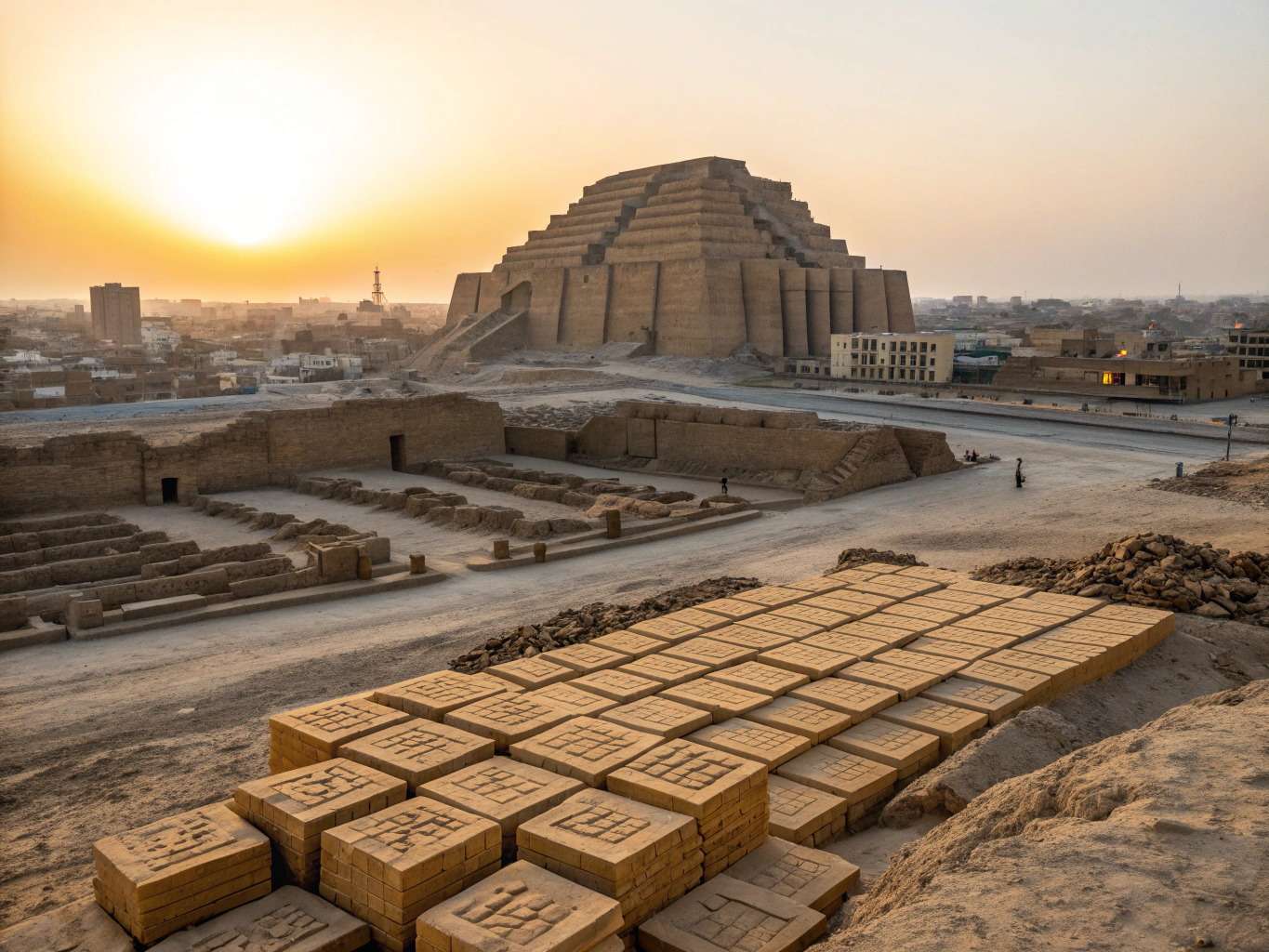
Mesopotamian Temple-States & Ziggurats
c. 2600 BCECivilization
Tigris-Euphrates River Basin
Ancient MesopotamiaCuneiform Tablets
Mesopotamian Temple-States & Ziggurats
Civic polytheism centered around patron deities of cities like Ur and Uruk, documented in the Epic of Gilgamesh.
Composition of the Early Vedic Hymns
c. 1500 BCEReligion
Indus-Sarasvati Region
HinduismManuscripts & Linguistic Continuity
Composition of the Early Vedic Hymns
Oral recitation of the Rigveda establishing sacrificial rites (yajnas), cosmic order (rta), and divine archetypes.
Zarathustra & Early Mazdaean Dualism
c. 1200 – 600 BCEReligion
Ancient Greater Iran
ZoroastrianismAvestan Texts & Inscriptions
Zarathustra & Early Mazdaean Dualism
Proclamation of Ahura Mazda, cosmic balance between truth (Asha) and deceit (Druj), influencing later eschatology.
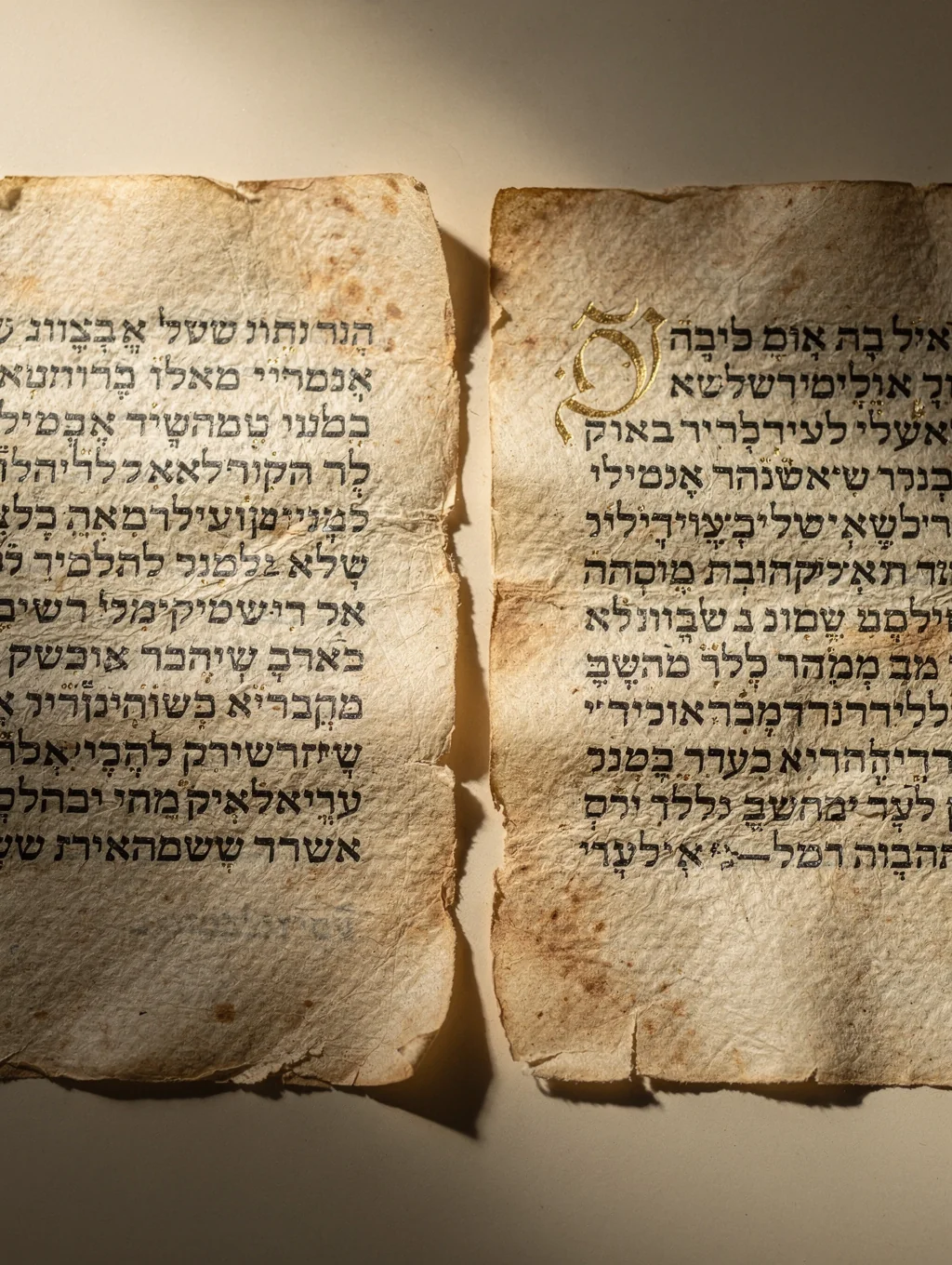
Compilation of the Hebrew Scriptures
c. 900 – 500 BCEReligion
Levant & Babylonian Exile
JudaismBiblical Archaeology & Inscriptions
Compilation of the Hebrew Scriptures
Development of ethical monotheism, covenant theology, and centralization of worship during and after the exile.
The Sramana Movement: Jainism & Buddhism
c. 6th – 5th c. BCEReligion
Gangetic Plain, India
Jainism & BuddhismAshokan Edicts & Canonical Sutras
The Sramana Movement: Jainism & Buddhism
Siddhartha Gautama and Mahavira formulate paths to liberation (Moksha/Nirvana) focusing on ethics and ahimsa.
Greek Civic Cults & Philosophical Inquiries
c. 5th – 4th c. BCECivilization
Aegean & Magna Graecia
Ancient GreeceTemple Inscriptions & Epigraphy
Greek Civic Cults & Philosophical Inquiries
Panhellenic games, Olympian rituals, and rational critiques by Socrates, Plato, and Aristotle.
Emergence and Institutionalization of Christianity
c. 1st c. CE – 4th c. CEReligion
Judea, Mediterranean & Rome
ChristianityPapyrus Fragments & Roman Records
Emergence and Institutionalization of Christianity
Ministry of Jesus of Nazareth, Pauline apostolic journeys, and adoption as imperial state religion under Constantine.
Roman Imperial Cult & Mystery Traditions
c. 1st c. BCE – 4th c. CECivilization
Mediterranean Basin
Ancient RomeAltar Epigraphy & Archaeological Sites
Roman Imperial Cult & Mystery Traditions
Integration of traditional Capitoline deities alongside imported mystery cults such as Mithras and Isis.
The Rise of Islam & Caliphate Expansion
c. 610 – 750 CEReligion
Arabian Peninsula & Near East
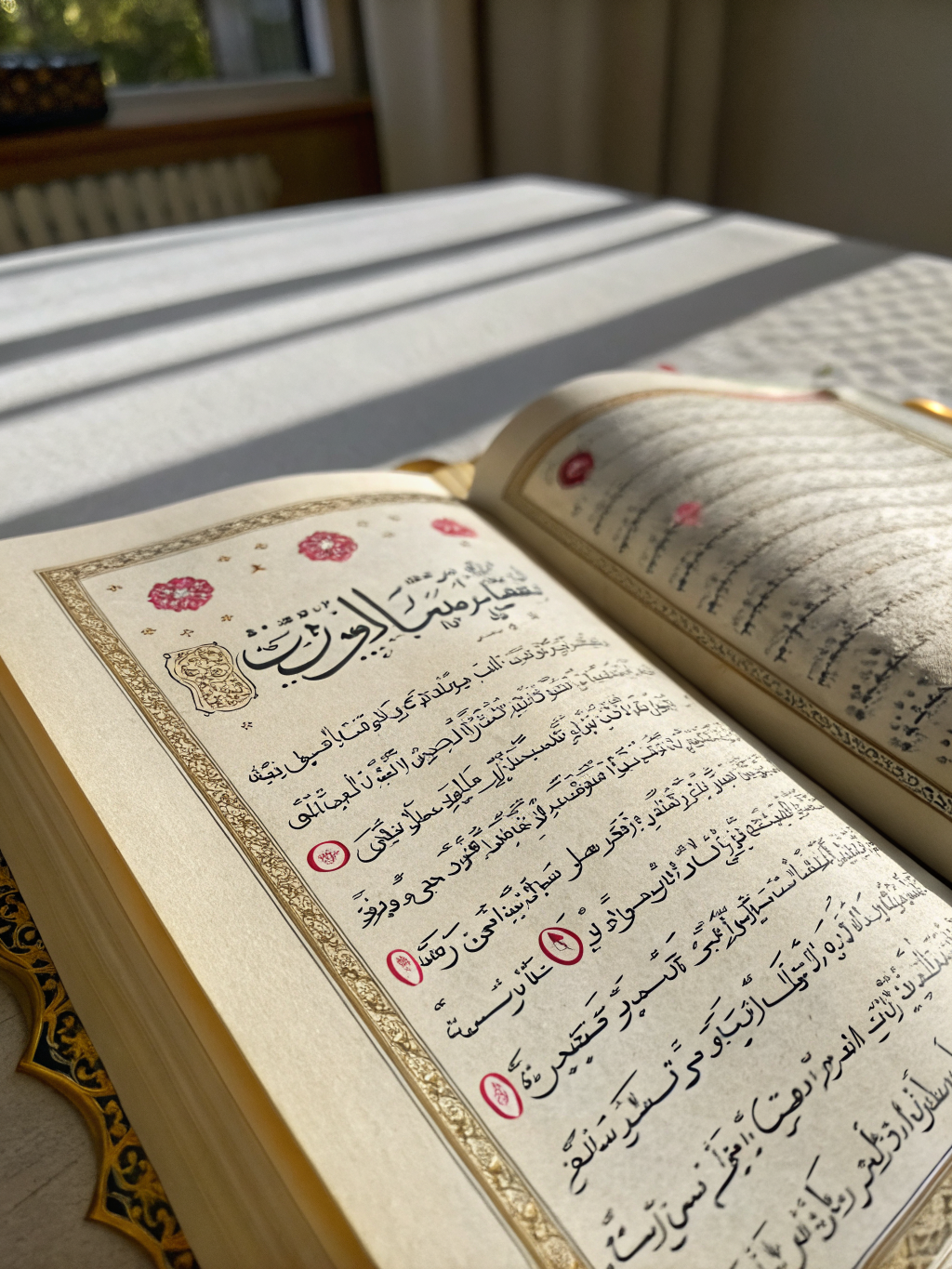
IslamEarly Quranic Manuscripts & Coins
The Rise of Islam & Caliphate Expansion
The prophetic mission of Muhammad in Mecca and Medina, compilation of the Quran, and rapid cultural synthesis.
Founding of Sikhism & Guru Granth Sahib
c. 1469 – 1708 CEReligion
Punjab, South Asia
SikhismPrimary Historical Texts & Gurdwaras
Founding of Sikhism & Guru Granth Sahib
Guru Nanak teaches unity of God, equality of all humanity, and selfless service, codified by the Ten Gurus.
Scholarly Distinction

Historical Evidence vs. Traditional Faith Claims

Roots of Religion clearly differentiates archaeological finds, cuneiform & papyrological inscriptions, and historical consensus from theological traditions.

Geographic Origins & Trade Corridors

Geographic Cradles & Spiritual Crossroads

Ancient religions did not emerge in a vacuum. River floodplains dictated initial cosmologies, while historic trade arteries facilitated unprecedented cross-pollination of ideas, myths, and ethical frameworks.

Primary Alluvial Zones

The 5 Foundational River Basins

Select a cradle below to examine how local ecological factors directly shaped sacred architecture and divine concepts.
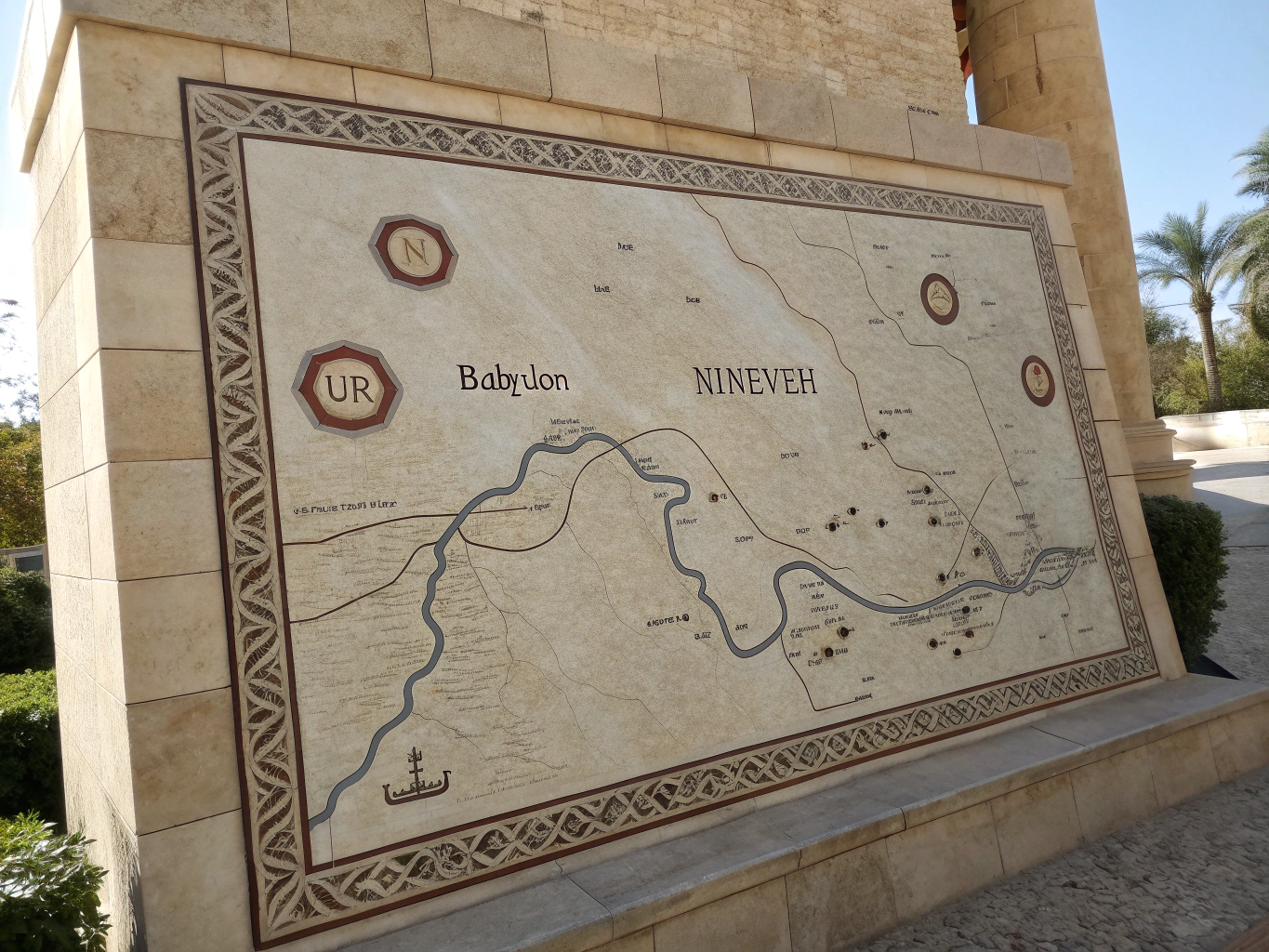
Fertile Crescent
c. 4000 BCE – 500 BCE

Fertile Crescent

Tigris & Euphrates / Levant

River SystemTigris & Euphrates Rivers
Key TraditionsMesopotamian Polytheism, Early Judaism, Zoroastrian roots
Ecological Determinism & Cosmology
How Geography Formed Sacred Belief

Unpredictable seasonal flooding fostered a cosmology centered on appeasing volatile celestial and elemental deities, prompting early structured temple economies (Ziggurats) and codified legal-theological mandates (Hammurabi).

Archaeological Basis
Tangible Records

Cuneiform tablets, Eridu temple complexes, Enuma Elish mythological tablets, Tel Dan Stele.

Diffusive Reach
Cross-Regional Echoes

Transmission of flood mythologies, wisdom literature, and legal structures to Levant and Anatolian belief systems.

Methodological Standard: Geographic analysis separates documented hydrological records and material remains from later theological and mythic re-interpretations.
Conduits of Ideas

Historical Trade Routes as Intellectual Arteries

Goods rarely traveled alone. Caravans and merchant vessels carried scribes, translators, and missionaries, forging syncretic religious art, vocabulary, and shared philosophical schools.

Overland Oasis Network
The Silk Road
Chang'an to Rome & Antioch

Primary Spiritual Transmission:

Transmission of Buddhism, Manichaeism, and Nestorian Christianity

Key Archaeology: Dunhuang Mogao Caves, Gandhara Buddhist-Greek sculptures

Desert Camel Caravans
Incense & Frankincense Route
Southern Arabia to Levant & Egypt

Primary Spiritual Transmission:

Diffusion of Semitic religious terminology and monotheistic ideas

Key Archaeology: Petra rock sanctuaries, Dedanite and Sabaean inscriptions

Maritime Trade Dependent on Seasonal Winds
Indian Ocean Monsoon Network
Red Sea, Arabian Coast, Malabar, & Java

Primary Spiritual Transmission:

Spread of Hinduism and Theravada/Mahayana Buddhism to Southeast Asia

Key Archaeology: Borobudur complex, Angkor Wat epigraphy, Roman coin hoards in South India

Imperial Imperial Road & Postal System
Royal Persian Highway
Susa to Sardis across the Near East

Primary Spiritual Transmission:

Exchange of dualistic cosmology, angelic hierarchies, and eschatology

Key Archaeology: Persepolis fortification tablets, Elephantine papyri

Synthesize and Compare Specific Traditions

Select any two belief systems across these geographic origins to evaluate shared textual roots, ethical frameworks, and archaeological findings.